The Unyielding Battle Against Equine Infectious Anemia
Equine Infectious Anemia (EIA) is a persistent challenge for the equine community, particularly highlighted by a recent case involving a 4-year-old Quarter Horse mare in San Bernardino County, California. This unfortunate incident serves as a reminder of the continuous battle against this viral disease and the importance of stringent biosecurity measures to prevent its spread.Understanding EIA: A Silent Predator
EIA is a viral infection that attacks the immune system of equines. What makes this disease particularly insidious is that infected horses become lifelong carriers, serving as reservoirs of the virus even if they do not exhibit symptoms. It's transmitted through body fluids, often via blood-feeding insects like horseflies, or through contaminated veterinary tools. No vaccine or cure exists for EIA, making prevention the ultimate tool in combatting this disease. Infected horses face only grim options: euthanasia, life-long quarantine, or death. The seriousness of the disease underscores the need for widespread awareness and adherence to biosecurity protocols.California's Ongoing EIA Struggle
California has witnessed a troubling pattern in EIA cases, especially within the Quarter Horse racing circuits. In September 2025, a 4-year-old gelding in Riverside County tested positive, necessitating the quarantine of 25 horses, two of which were eventually euthanized. In a broader multistate outbreak, 23 Quarter Horse racehorses across California, New Mexico, and Texas were affected, largely due to iatrogenic transmission—spread via contaminated instruments rather than natural vectors. This backdrop highlights the multiple fronts on which the equine industry must fight to protect its populations, particularly in densely packed environments like racing circuits and unsanctioned "bush track" races.Key Symptoms and Diagnosis
Identifying EIA hinges on the detection of specific symptoms and the use of the Coggins test, which confirms the presence of antibodies indicative of the virus. Symptoms to watch for include: - Fever and anemia - Progressive body condition loss and muscle weakness - Poor stamina and depression - Red or purple spots on mucous membranes Confirmation of EIA through the Coggins test is crucial, especially since a negative result is required for horses traveling across state lines in most U.S. states. This requirement is part of a larger effort to prevent the virus from spreading via horse movement.Biosecurity: Our Best Defense
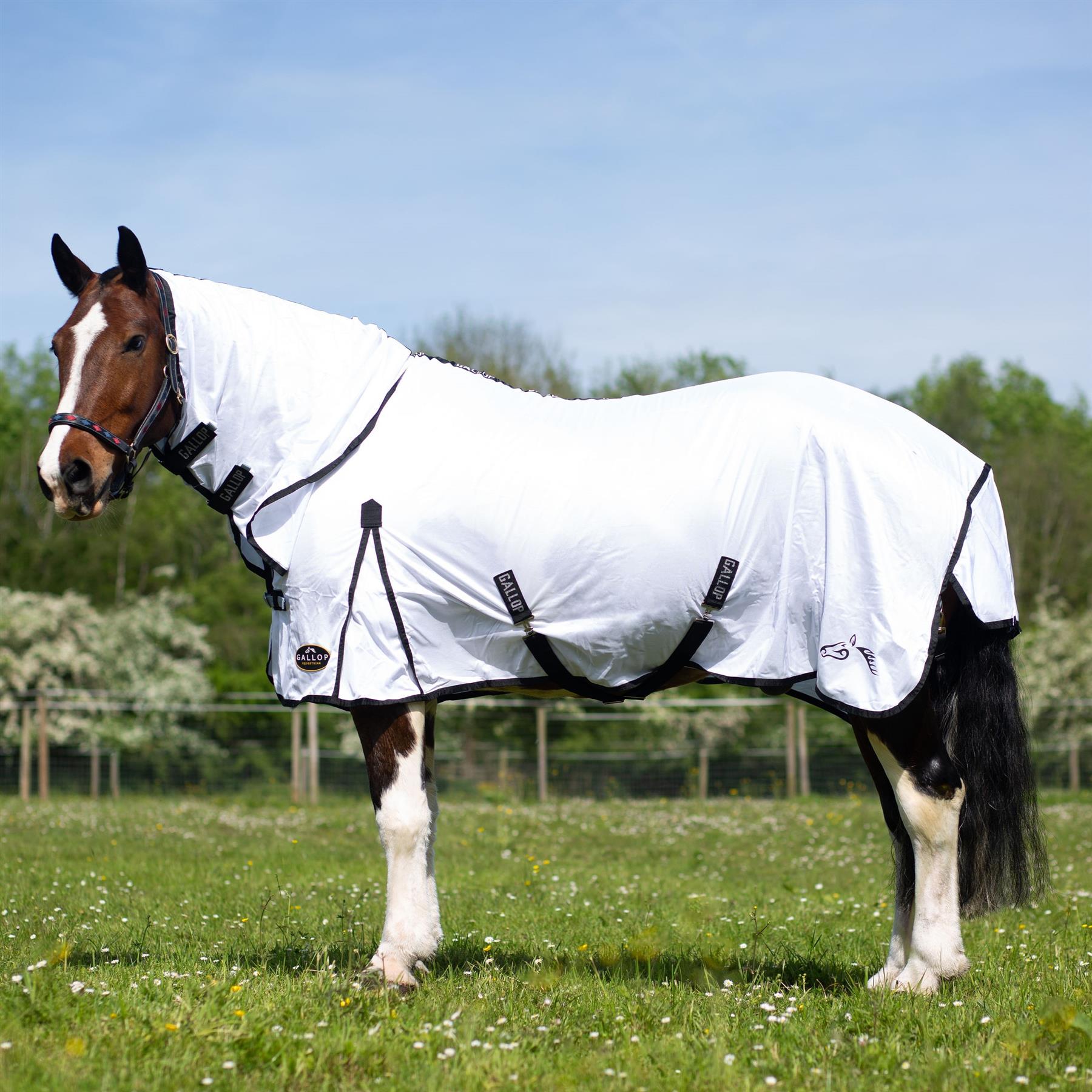
With no cure in sight, prevention through biosecurity remains paramount. Strategies include:- Effective control of blood-feeding insects to minimize mechanical transmission.
- Use of single-use needles and sterile veterinary instruments.
- Regular quarantine and retesting protocols, particularly for exposed horses.
The Broader Implications for the Equine Industry
The recurrence of EIA cases serves as a stark reminder of the risks associated with high-density populations and the importance of hygiene and vigilant testing in these environments. The 2025 outbreak saw 21 out of 23 infected horses euthanized, showcasing the dire consequences of unchecked spread. Equine owners and veterinarians must remain proactive, employing every available tool and adhering to protocols from the California Department of Food and Agriculture (CDFA) and the USDA. Regular updates and alerts from the EDCC should be a staple in the toolkit of anyone involved in equine health care and management. In conclusion, while EIA continues to pose a significant threat, the collective efforts of the equine community in prioritizing prevention and biosecurity offer the most promising defense. As we work towards minimizing EIA's impact, it's essential to uphold rigorous practices and embrace a community-wide approach.Sources: For more detailed information, check out The Horse and Practical Horseman.