Understanding Eastern Equine Encephalitis: A Serious Threat to Horses
Eastern Equine Encephalitis (EEE) is a mosquito-borne viral disease that poses a severe threat to horses and humans alike. It has recently made headlines due to a cluster of cases, including a tragic incident in Ontario, where a Miniature Horse was euthanized after contracting the disease. This article unpacks the critical aspects of EEE, shedding light on why it's a pressing concern and how we can combat its spread.
What is Eastern Equine Encephalitis?
EEE is caused by a virus transmitted by mosquitoes. Wild birds serve as natural reservoirs for the virus, meaning they harbor the virus without being affected. Unfortunately, when a mosquito bites an infected bird and subsequently bites a horse, the virus can spread, causing severe neurological disease. Affected horses typically show sudden and severe symptoms, including fever, depression, tremors, seizures, and inability to stand—ultimately leading to death.
Alarming Mortality Rates and Symptoms
The numbers speak volumes: the mortality rate for horses infected with EEE can climb to a staggering 90%. Horses that do survive are often left with lasting neurological damage. Symptoms evolve swiftly, leaving horse owners, veterinarians, and public health authorities in a race against time. Unfortunately, the prognosis is poor once neurological signs like seizures and acute recumbency appear. As there is currently no cure, supportive care is the only available treatment, focusing on alleviating symptoms rather than providing a definitive solution.
Prevention: Vaccination and Mosquito Control
With such high stakes, prevention is the keyword. Vaccination against EEE is highly recommended and has been proven to reduce the incidence and severity significantly. It's mainly suggested as a core vaccine for horses, especially in regions prone to EEE outbreaks, like certain parts of North America.
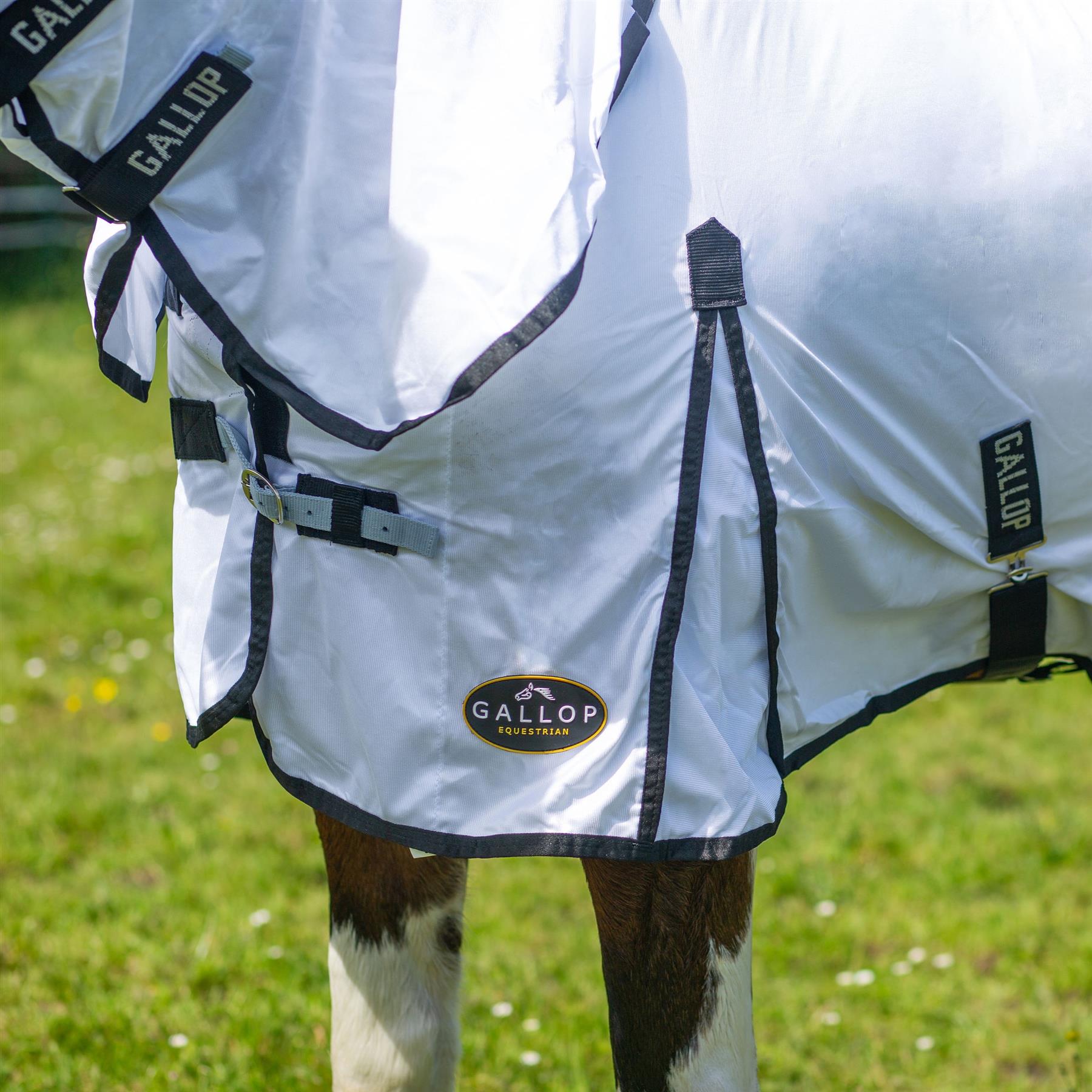
Meanwhile, an equally crucial line of defense is controlling the mosquito population. This effort involves eliminating standing water where mosquitoes breed, using insect repellents, and reinforcing stable security to keep these pests at bay. The significance of these preventive measures cannot be overstated, given the rapid progression and high mortality of EEE.
Lessons from Recent Outbreaks
The recent spate of cases, including the unfortunate death of the Ontario Miniature Horse, marks the eighth confirmed equine EEE case in the region for 2025. Such numbers underscore the urgent need for increased vigilance and proactive measures. EEE's impact extends beyond just the equine population—it poses broader public health considerations and economic implications for the equine industry.
The Role of Public Awareness and Research
Organizations like the Equine Disease Communication Center and Boehringer Ingelheim are stepping up efforts to raise awareness about EEE. They advocate for vaccination and mosquito control as pivotal strategies. Additionally, more research into improving vaccines and refining mosquito management practices continues to top the agenda of public health and veterinary sectors.
Reducing EEE’s impact requires a multisectoral approach, embracing scientific advancements and community awareness. Monitoring and managing this disease's spread remain critical in protecting both equine and human populations from its devastating effects.
For those involved in the horse industry, understanding and implementing these preventive strategies is not just good practice—it's essential for safeguarding equine health against EEE and other mosquito-borne diseases. With concerted efforts, it's possible to turn the tide against EEE, preserving the well-being of our beloved equine companions.
For more information on Eastern Equine Encephalitis, readers can visit the comprehensive health topics page by UC Davis Center for Equine Health: [CEH at UC Davis](https://ceh.vetmed.ucdavis.edu/health-topics/eastern-equine-encephalitis-eee).