The Role of Heel Elevation in Reducing Equine Tendon Strain
Equine care is no walk in the park, and as any horse owner would tell you, ensuring the health of a horse's tendons is particularly challenging. A promising approach comes from a study at the University of Wisconsin School of Veterinary Medicine, which examined the effects of heel elevation in therapeutic shoeing to reduce strain on equine flexor tendons. With horses often suffering from various tendon-related ailments, this technique presents a vital intervention to consider.
Understanding Heel Elevation and Its Benefits
Heel elevation is commonly used by veterinarians to manage conditions like laminitis and navicular disease. Its primary function involves altering the horse's digital alignment to redistribute forces within the lower limb, effectively reducing tendon strain. The study emphasized the importance of customizing therapeutic shoeing based on the unique conformation and biomechanical needs of the horse, rather than sticking to a one-size-fits-all approach. The research findings showed that while heel elevation generally reduced tendon strain, the effects varied significantly depending on the horse, specific tendons, and tendon regions.
Examining Acoustoelastography in Equine Studies
During the study, acoustoelastography—an advanced ultrasound technique—was employed. This method provides real-time insights into tissue elasticity and was particularly useful in measuring tendon strain during various heel elevations. While the technique confirmed a general reduction in tendon strain, considerable variation existed, especially near joints and insertion points. Researchers highlighted how this variability should be acknowledged for effective therapeutic interventions.
Additional Therapies for Tendon Rehabilitation
While heel elevation is a significant part of equine tendon care, it doesn't work alone. Horses benefit from a suite of complementary therapies focusing on tendon remodeling, inflammation reduction, and injury prevention:
- Imaging Advances: Ultrasound Tissue Characterization (UTC) offers detailed insights into the tendon repair stages, aiding in tailored exercise programs.
- Biologic Therapies: Platelet-rich plasma and stem cell therapies enhance collagen production and cell recruitment.
- Shockwave Therapy: Extracorporeal shockwave therapy (ESWT) reduces pain and inflammation while promoting tissue repair.
- Support Devices: Tools like EqueStride™ provide adjustable support, reducing strain on tendons during recovery.
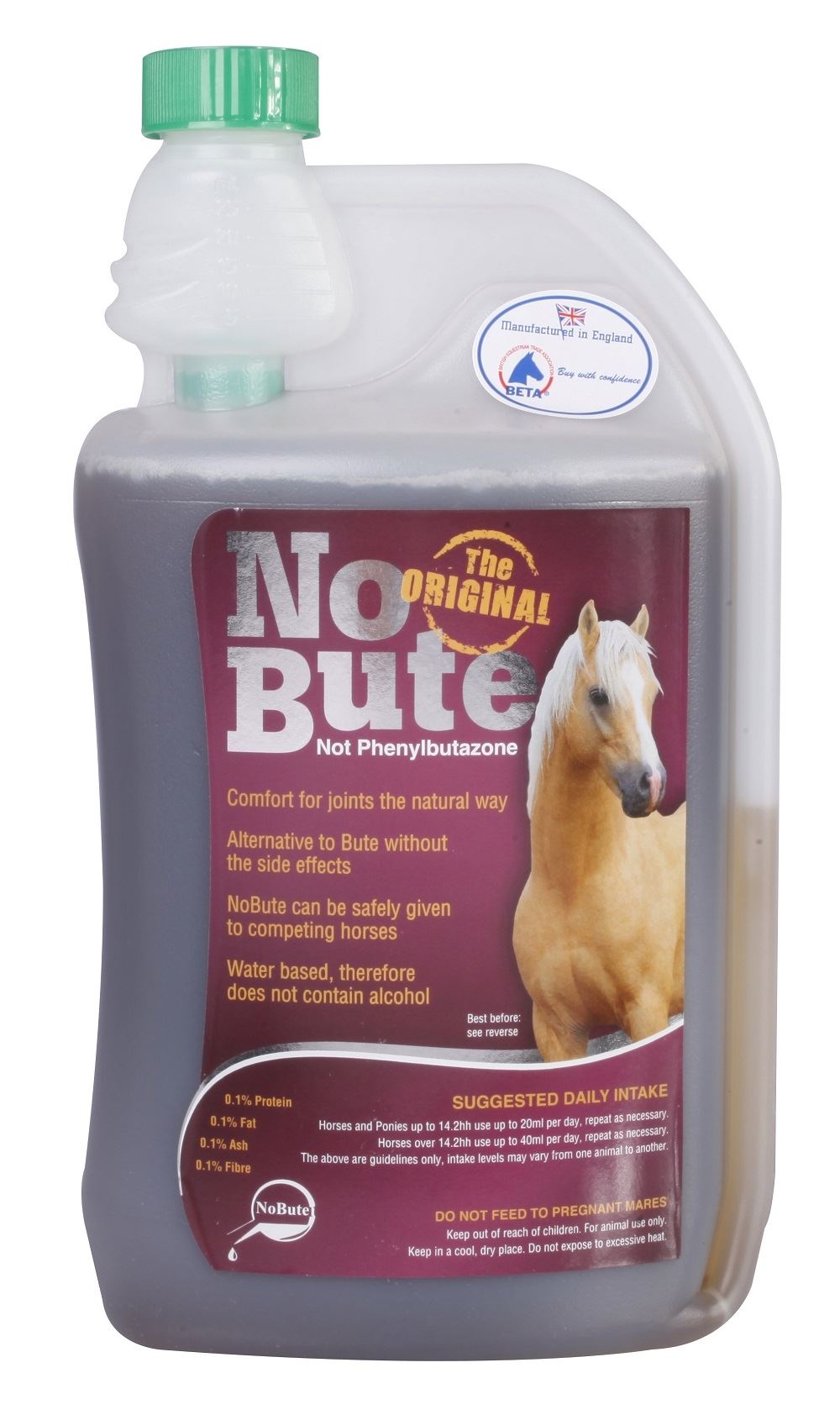
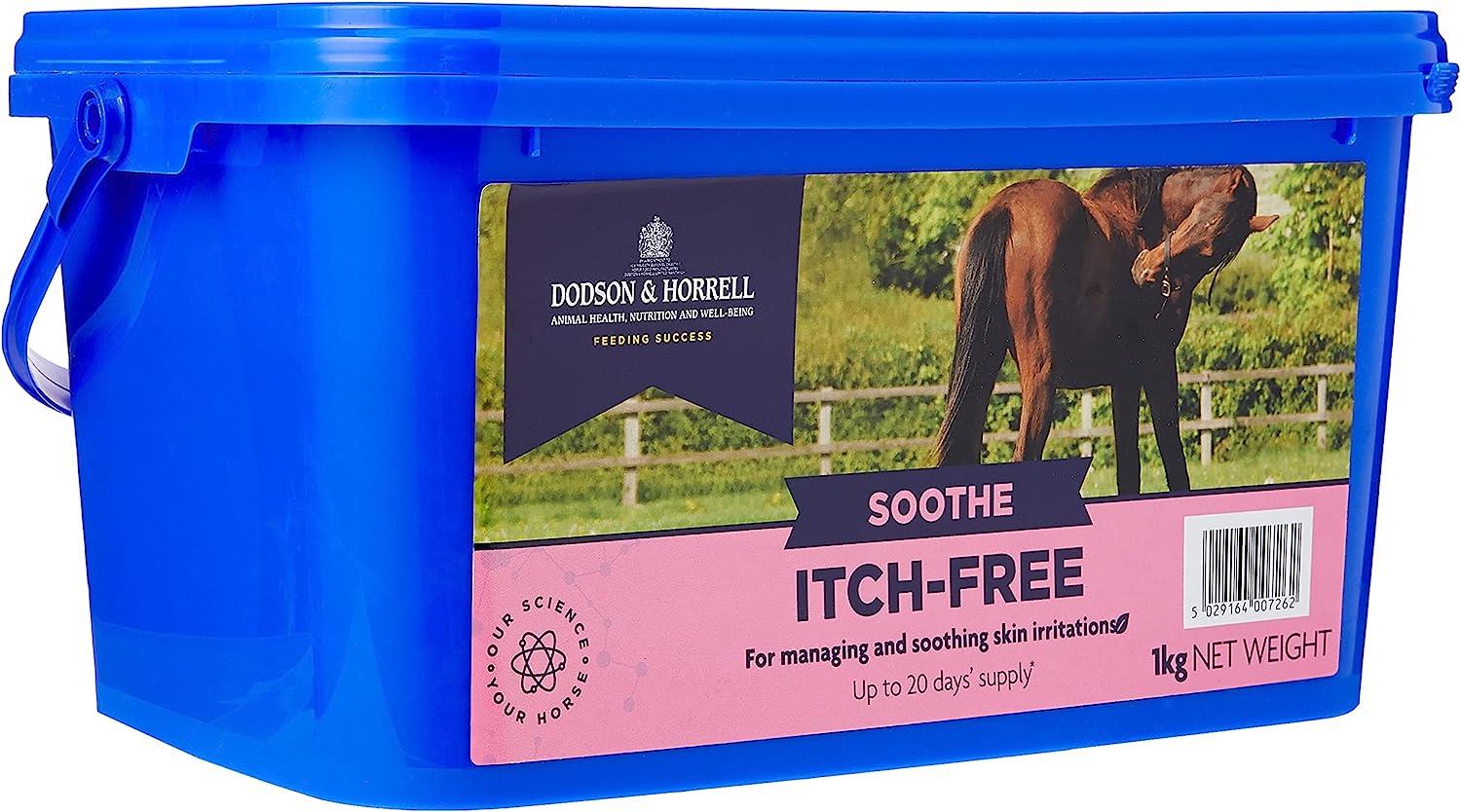
- Supplements and Hoof Care: Products like Tendonall minimize lesions for resilience, while balanced shoeing and cooling post-exercise maintain hoof health.
Rehabilitation Timelines: Patience is Key
Recovery from tendon injuries isn't quick. Rehabilitation can last from three months to over a year, depending on the injury's severity. Controlled movement is crucial during this period, helping maintain blood flow and alignment of healing tendons. It's not a sprint; it's a marathon!
Future Directions in Equine Tendon Care
Emerging technologies and methods are shaping the future of equine tendon care. For example, ultrasound-guided injections for orthobiologics and mechanobiological research promise refined treatments. These personalized strategies, grounded in advanced imaging and biomechanics, aim to reduce re-injury risks and prolong equestrian careers. Ongoing studies, focusing on early detection and multidisciplinary approaches, are destined to revolutionize the care strategies for equine athletes.
Equine healthcare is advancing, and as we gallop into the future, the focus remains on personalized care, advanced techniques, and a holistic understanding of biomechanics. It's time to saddle up for a healthier equine future.
For more in-depth information, visit TheHorse.com and EqueStride.