Understanding West Nile Virus in Equines: A Critical Overview
A heartbreaking event in Utah has drawn attention to a concerning issue affecting our equine companions - West Nile Virus (WNV). Recently, a 2-year-old unvaccinated Arabian filly had to be humanely euthanized after contracting WNV, marking the ninth confirmed equine case in the state for 2025. This incident highlights the vital importance of preventive measures and effective management strategies for the disease.
What is West Nile Virus?
West Nile Virus is primarily transmitted through the bites of infected mosquitoes and can result in a range of symptoms in horses, from mild flu-like manifestations to severe neurological impairment. Horses exhibiting severe symptoms may show signs such as facial paralysis, muscle fasciculations (twitching), hyperesthesia (increased sensitivity to stimuli), changes in mental activity, ataxia (lack of coordination), and even weakness. Though some infected horses may show no symptoms at all, the mortality rates for those severely affected can range from 30-40%.
The Importance of Vaccination
There is currently no cure for WNV, making prevention through vaccination the best defense strategy. Veterinarians recommend that horses previously vaccinated against WNV receive annual booster shots, while those still unvaccinated should undergo a two-dose vaccination series. Vaccination significantly reduces the risk of a horse developing severe illness or succumbing to this deadly virus.
Controlling the Mosquito Menace
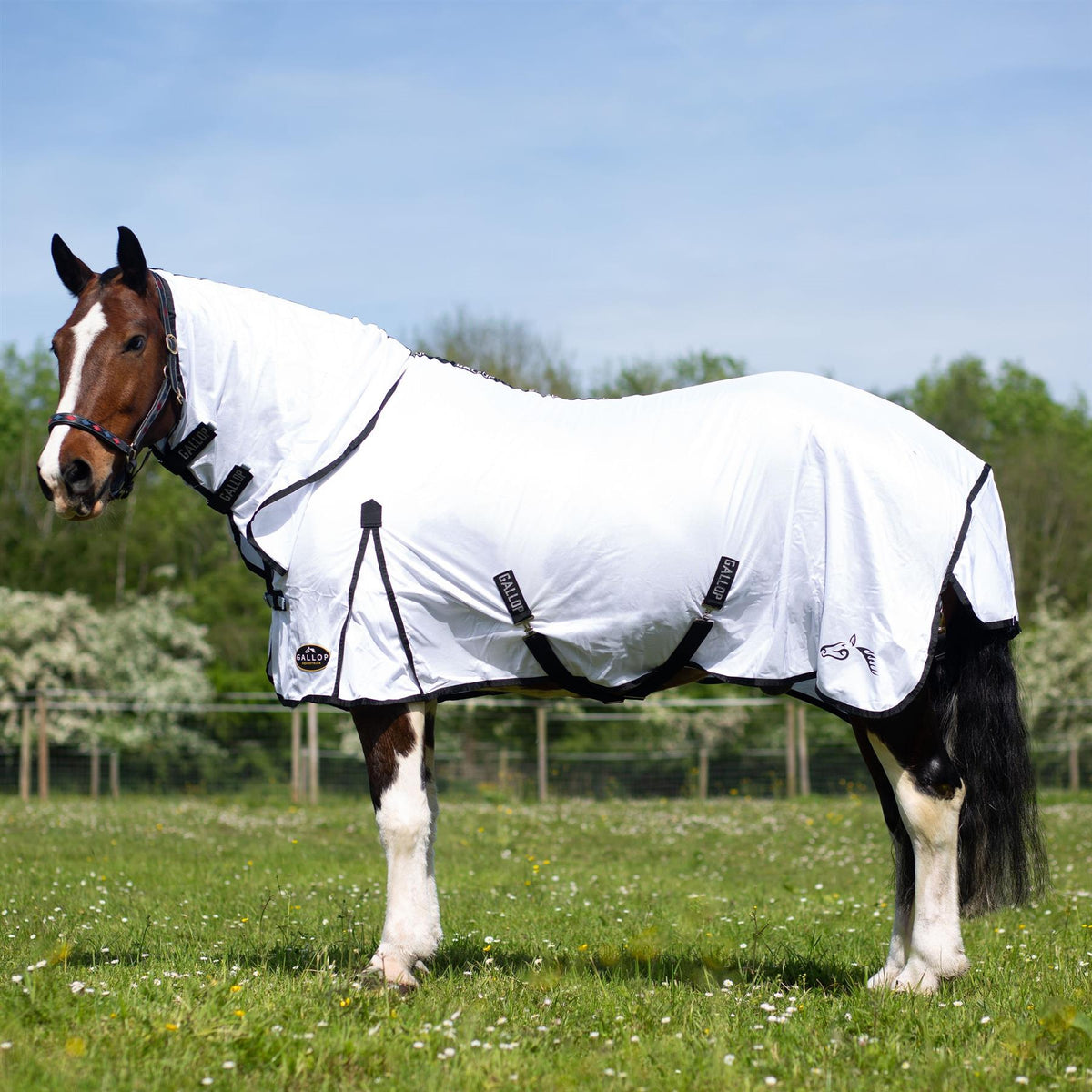
Because mosquitoes are the primary vectors for WNV, controlling their population is crucial for preventing the spread of the virus. Horse owners can help by eliminating potential breeding grounds such as stagnant water sources. Regularly changing water in troughs, removing standing water, and using equine-safe mosquito repellents are effective measures to reduce the risk of mosquito bites and subsequent WNV transmission.
The Role of Surveillance and Communication
Timely alerts and guidance on disease management play an essential part in controlling WNV outbreaks. Surveillance programs, like those coordinated by the Equine Disease Communication Center (EDCC), help disseminate crucial information, empowering horse owners and veterinarians to take appropriate preventive steps promptly. Supported by industry partners, these programs are vital tools in the ongoing battle against this persistent viral threat.
A Call for Vigilance
The recent case of the euthanized filly in Utah underscores the need for vigilance among horse owners, especially in areas where WNV is endemic. While no equine owner enjoys hearing about such tragic events, these stories serve as a solemn reminder of the importance of adhering to recommended vaccination schedules and maintaining effective mosquito control practices.
In conclusion, while we lack a cure for West Nile Virus, clear preventive measures can significantly bolster protection for our equine friends. By prioritizing vaccinations and embracing mosquito mitigation tactics, we can collectively work toward reducing the impact of WNV on our cherished horses.
For further reading, you may refer to an article by EquiManagement: 2 Utah Horses Confirmed Positive for WNV.