Understanding The Silent Threat Of Equine Infectious Anemia And How To Combat It
Understanding Equine Infectious Anemia: The Silent Threat
Equine Infectious Anemia (EIA) is a persistent and chronic viral disease that poses a severe threat to horses worldwide. Caused by the Equine Infectious Anemia Virus (EIAV), this RNA virus nests itself into the host's cells similarly to how HIV integrates into humans. First reported in the mid-19th century, EIA remains a challenging health issue, primarily due to its silent carriers and lack of effective treatments.
The Three Faces of Equine Infectious Anemia
EIA is notorious for its three-pronged clinical presentation: acute, chronic, and inapparent infections. In the acute phase, horses exhibit symptoms such as fever and thrombocytopenia. Progressing to a chronic phase, the symptoms become less intense but can recur. The inapparent stage, however, is what gives veterinarians nightmares. These horses show no symptoms yet harbor the virus, continuing to spread it undetected to other horses.
This asymptomatic carrier state is both a blessing and a curse; while horses don't suffer outwardly, they unknowingly jeopardize herd health. The importance of continuous testing and strict quarantine protocols cannot be overstated to intercept any potential spread.
The Devious Routes of Transmission
Blood-feeding insects like horseflies and deerflies primarily propagate EIAV by switching hosts mid-meal, a process akin to choosing the best dish at a buffet lunch. However, the more sinister mode of spread in recent years is through iatrogenic transmission. Unfortunately, poor biosecurity practices enable the virus to hitch a ride on veterinary instruments from needles to surgical tools—a nightmare scenario for conscientious veterinary practitioners.
In fact, in a Texas clinic's recent mishap, contaminated multi-dose vials of heparinized saline led to an EIA outbreak. This serves as a stark warning of the laxity that can exist in healthcare settings and the urgent need for robust disinfection protocols.
No Vaccine, No Problem? Think Again!
A sobering fact about EIA is the absence of a vaccine or cure. This absence mandates ongoing vigilance and stringent control measures. For EIA-positive horses, the options are grim: lifelong quarantine or euthanasia. Key to curbing the virus's spread is the Coggins test, a serological test designed to detect EIAV. Ensuring a buffer zone, maintaining at least 200 yards between infected and healthy horses, is equally critical.
The risk extends beyond just the farm gates. With auto racing-style speed and ferocity, the virus could spread at equine events without the enforcement of proper biosecurity protocols by veterinarians and organizers, making for a potentially disastrous Grand Prix of viral transmission.
Keeping EIA at Bay: Strategies for Prevention
Biosecurity is key in preventing iatrogenic transmission, starting with stringent cleanliness and disinfection of all animal-contact instruments. Adopting zero-tolerance policies for the reuse of needles and other medical paraphernalia is essential. Furthermore, veterinarians and equine facility managers hold the reins in educating horse owners about the pivotal role they play in maintaining herd health.
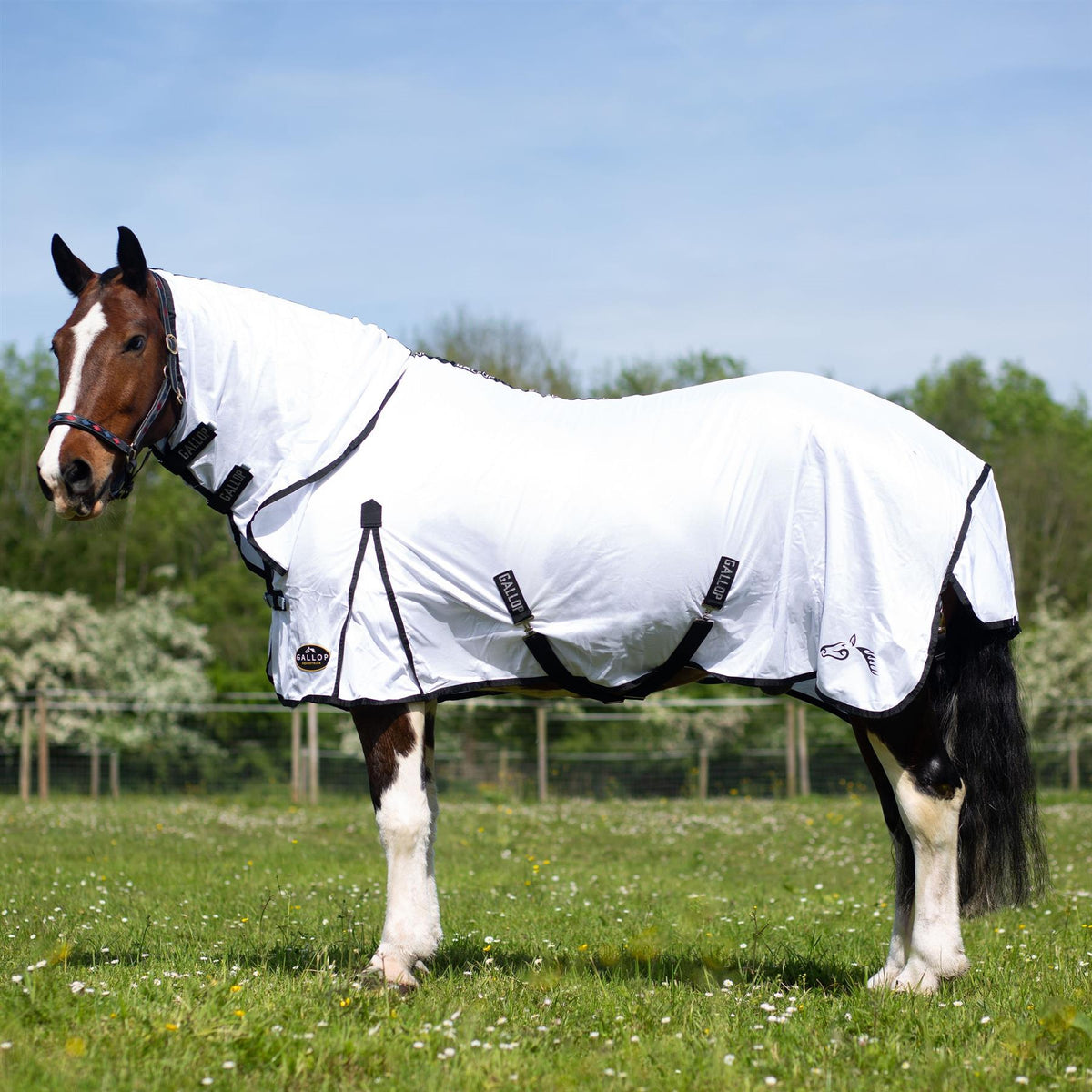
Investing in environmental controls to reduce insect vectors can also pay dividends. Protection equates with installing physical barriers like fly nets and employing chemical deterrents when necessary.
Research Frontiers: Hope for the Future
The battle against EIA is ongoing, but innovation looms large on the horizon. Current research aims to enhance diagnostic methods and explore EIAV mutation patterns, potentially opening doors to vaccine development and better preventive strategies. Genetic research is also a priority, seeking to decode the virus's secrets and undermine its silent endurance.
The stakes couldn't be higher; EIA is more than just a veterinary challenge. It's an economic and emotional burden for horse owners and a potential disruptor to the equine industry at large. Limiting its impact necessitates a concerted and informed strategy involving all stakeholders.
For more detailed information on EIA, you can check out The Horse - Iatrogenic Transmission of Equine Infectious Anemia Virus, and [CFSPH](https://www.cfsph.iastate.edu/Factsheets/pdfs/equine_infectious_anemia.pdf) for comprehensive insights.