Understanding The Silent Threat Of Equine Infectious Anemia And The Fight To Protect Horses
Understanding Equine Infectious Anemia: The Silent Threat to Horses
Equine Infectious Anemia (EIA) is a relentless viral disease plaguing horses that results in a lifelong infection. Without vaccines or cures, EIA transforms equine health management into a complex battle. Recently, three horses in Texas were confirmed positive for EIA, as reported by the Equine Disease Communication Center (EDCC). These cases, spanning Kaufman and Wichita counties, underscore the persistent nature of the disease and the imperative need for awareness and proactive measures within the equine industry.
The Transmission and Symptoms of EIA
EIA is primarily transmitted by blood-feeding insects like horseflies or through contaminated veterinary instruments such as needles. This means that vigilance in handling and biosecurity can prevent its spread. Once infected, horses face a grim prognosis: euthanasia or lifelong quarantine with stringent measures like maintaining a 200-yard distance from other horses. Such regulations aren't arbitrary; they are vital to safeguard other animals. Infected horses exhibit signals such as progressive weight loss, muscle weakness, poor stamina, fever, depression, and anemia. These symptoms can make diagnosis difficult yet crucial to prevent further transmission.
The Coggins Test: A Line of Defense
The Coggins test is a pivotal tool in managing the spread of EIA. This blood test detects antibodies against the virus and is mandated for interstate travel of horses across the U.S. By identifying EIA-positive horses early, the test helps in coordinating containment efforts, thus protecting the broader equine population. Early detection allows horse owners and veterinarians to make informed decisions to halt the disease's spread.
The Role of the Equine Disease Communication Center (EDCC)
The EDCC plays a crucial role in the fight against EIA. As a nonprofit organization, it verifies and disseminates reports on equine diseases, collaborating closely with state veterinary boards and federal entities like the USDA. This coordination has been instrumental in tracing outbreaks, which in Texas have been linked to iatrogenic transmissions, or spread through medical procedures. The EDCC's efforts highlight the importance of timely communication in managing disease spread and protecting equine health.
Challenges in Managing EIA Outbreaks
In 2024, there were over 70 confirmed EIA cases in Texas alone, highlighting the disease's significant impact on the equine industry. Such figures underscore the urgency for strict biosecurity measures, emphasizing the role of routine testing and safe veterinary practices. Despite technological advances, the lack of a cure or vaccine for EIA presents ongoing challenges. Given these hurdles, vigilant veterinary care, owner's awareness, and stringent control protocols are all pillars in reducing the spread of EIA and maintaining the health of equine populations.
Preventive Measures: The Path Forward
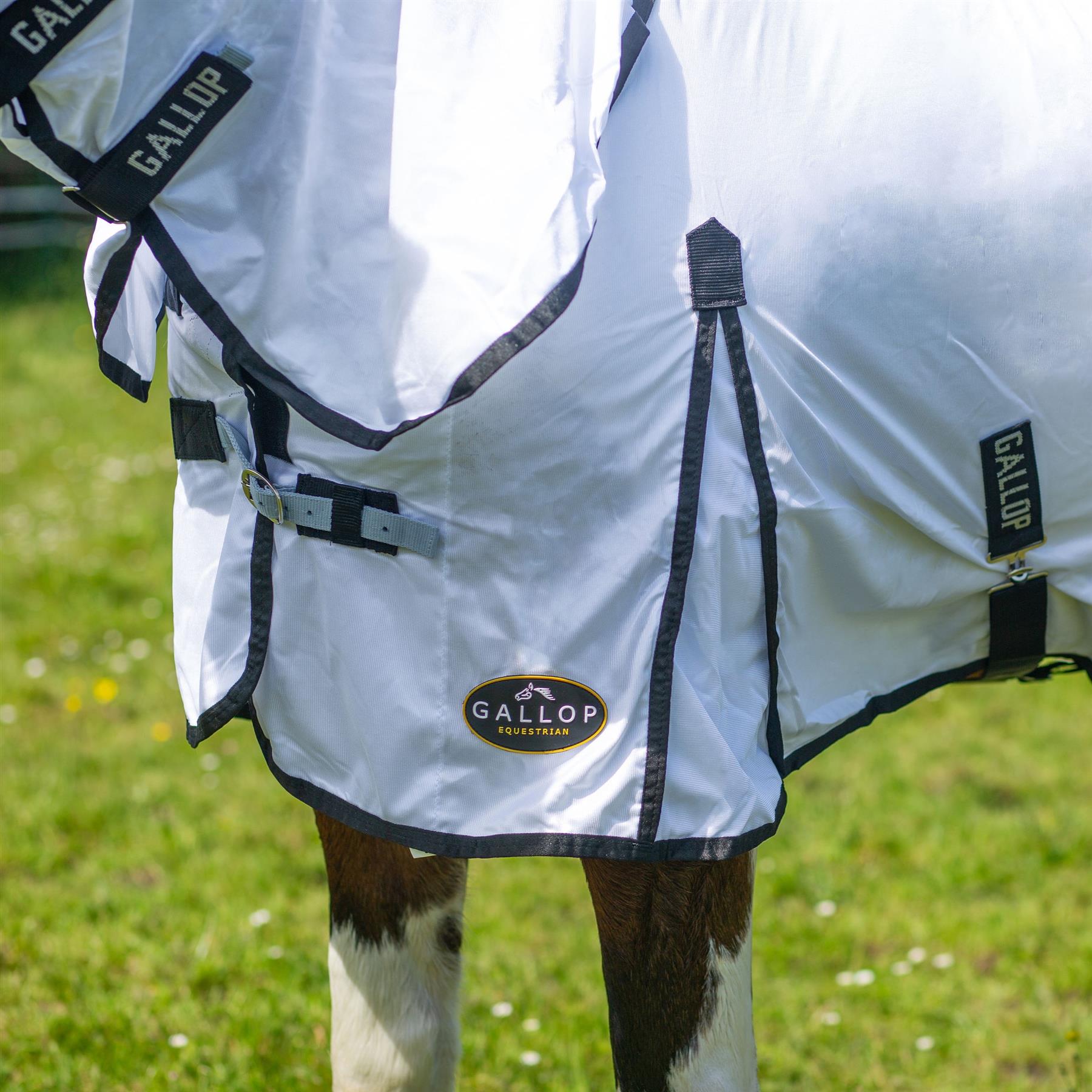
While the battle against EIA continues, preventive measures remain the best defense. Routine Coggins testing, effective insect control, and safe handling of needles and equipment are fundamental strategies. In the face of an EIA diagnosis, immediate quarantine or euthanasia of positive cases mitigates further risk. These measures, coupled with timely reviews and updates from organizations like the EDCC, empower stakeholders across the equine industry to make informed decisions and protect their horses.
In conclusion, while Equine Infectious Anemia poses a formidable threat to horse populations, the combination of awareness, early detection, and rigorous preventive efforts can effectively manage the risks associated with this viral infection. The collaboration between veterinary professionals, horse owners, and organizations like the EDCC is indispensable in navigating the challenges presented by EIA, ensuring the safety and well-being of our equine companions.
Sources:
- https://thehorse.com/1115219/3-texas-horses-test-positive-for-eia/
- https://equimanagement.com/news/edcc-health-watch/17-texas-horses-test-positive-for-eia/