Understanding the Threat of Eastern Equine Encephalitis (EEE)
In recent news, the unfortunate case of a 13-year-old pony mare being euthanized in Ontario after contracting Eastern equine encephalitis (EEE) has brought the spotlight back on this serious infectious disease. EEE, a mosquito-borne illness, poses a significant threat to horses and humans alike, with a dauntingly high mortality rate. This startling case in Haldimand County marks the 24th confirmed EEE case in horses in Ontario this year, underscoring the urgency of available preventive measures.
The Mechanisms of EEE Transmission
EEE is caused by the Eastern equine encephalitis virus, with wild birds acting as its primary reservoir. You might say these birds are like 'virus Ubers' for mosquitoes. The mosquitoes, after feeding on these infected birds, become carriers and can transmit the virus to horses and humans. But, like a classic case of "No Returns Policy," horses don't have a viral buffet suitable for mosquitoes to pick from again and spread further. While humans and horses can succumb to the disease, they are considered dead-end hosts, meaning they can't spread it further.
Prevention Taken Seriously: Vaccination and More
This pony's tragic end due to being unvaccinated makes a crucial point - vaccination is the front-line defense against EEE. Veterinarians strongly recommend that all horses should receive EEE vaccines annually, especially those in high-risk regions. Mosquito control is equally important, and there's no secret that mosquitoes have a knack for multiplying in stagnant water bodies. Hence, it's advisable to eliminate standing water around areas where horses are housed.
Keeping Mosquitoes at Bay
While turning your stables into mosquito-free fortresses seems daunting, practical measures can be pretty effective. Implement these strategies:
- Standing Water Elimination: Say goodbye to those stealthy pools of standing water lurking in old buckets or clogged gutters.
- Nature's Helpers: Introduce fish in water reservoirs that naturally consume mosquito larvae.
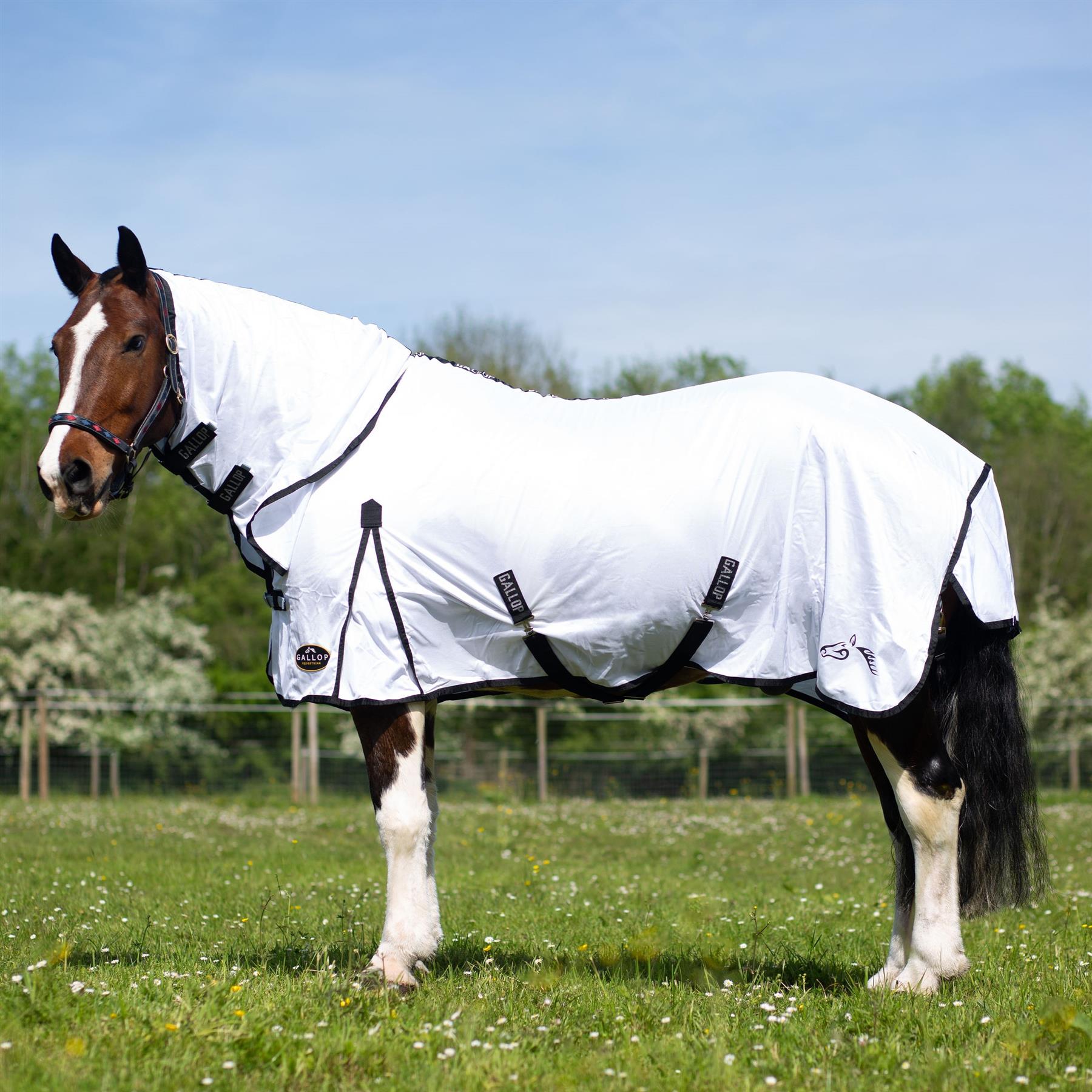
- Stable Practices: Horses should be stabled during peak mosquito activity, which generally occurs around dawn and dusk.
- Insect Repellents: Both humans and horses would benefit from mosquito repellents containing EPA-approved ingredients like DEET or oil of lemon eucalyptus.
EDCC: The Information Beacon
The Equine Disease Communication Center (EDCC) has emerged as a vital resource in the battle against EEE and similar diseases. Acting akin to a 'whisper network,' it brings credible information to the forefront, alerting and educating horse owners and veterinarians. Think of EDCC as the wise oracle of the equine healthcare community, supported by industry donations. They provide timely disease reports and health alerts, ensuring the equine community remains well-informed.
In-Depth Research Directions Await
While current prevention strategies are in place, research into more nuanced areas can help us combat EEE with higher precision. Here are a few focus points:
- Vaccine Effectiveness Studies: Explore regional differences in vaccine efficacy to optimize protective measures.
- Bird Reservoir Studies: Decode the ecological role of birds in the virus's lifecycle to inform and design intervention strategies.
- Mosquito Control Strategies: Evaluate and innovate mosquito control strategies that specifically target their populations in equine environments.
- Economic Impacts: Quantify the economic burden of EEE outbreaks and design policies to mitigate losses to the horse industry.
Conclusion: Prevenion is Better than Cure
The 24 cases of EEE in Ontario serve as a cautionary tale of how nature, given small leeway, quickly becomes significant. Emphasizing the trifecta of vaccination, mosquito control, and awareness is imperative in shielding horses and humans from this potent disease. And who knows, tackling EEE effectively might even put us one step ahead in managing other mosquito-borne diseases.
For those safeguarding their beloved equines, remember: invest in strength through informed choices. It's always better for your horses to be making headlines for winning ribbons, not for being at risk.
Source: For more detailed information on equine diseases, please refer to TheHorse.com.