West Nile Virus: An Equine Guardians' Guide to Prevention and Care
The specter of West Nile virus (WNV) looms large over Kentucky, with three recent equine cases highlighting the persistent threat. The disease, carried by mosquitoes such as the infamous Culex species, affects various hosts but places horses and humans in their crosshairs. Here, we delve into the intricate details of WNV, its transmission, prevention measures, and the role of horse owners in battling this silent foe.
Understanding the West Nile Virus
West Nile virus is primarily transmitted through mosquito bites. These pesky insects pick up the virus from birds, their natural hosts, centralizing its life cycle. Horses and humans, however, act as dead-end hosts; the virus doesn't spread from them to others. Thus, curbing mosquito proliferation is crucial.
When a horse contracts WNV, it might show anything from mild flu-like symptoms to severe neurological dysfunction. The latter can be alarming with indications like lethargy, ataxia, and mild muscle twitches. In some distressing cases, mortality rates can soar between 30-40%, particularly when there's no intervention.
The Cases in Kentucky: A Closer Look
Recent reports from Kentucky's counties - Grayson, Fayette, and Lyon - tell the story of three horses, each battling WNV. A 10-year-old unvaccinated Belgian mare, a Quarter Horse mare with unknown vaccine status, and a yearling Quarter Horse filly underline a broader picture: the importance of vaccination.
Despite their brush with this severe viral disease, these horses are on the mend, with supportive care signaling their road to recovery. This highlights a critical point: while no cure exists for WNV today, timely supportive care and vigilance can lead to positive outcomes.
Vaccination as the Ultimate Guard
Vaccination against WNV stands as the most potent preventive weapon in our arsenal. Experts strongly advocate for annual boosters, which may transition to biannual shots in regions buzzing with mosquitoes, much like parts of Kentucky. However, lapses in this essential routine impact the herd's safety directly.
Unfortunately, a significant number of equines still lack vaccination. Recent observations saw eight confirmed infections within Kentucky in a singular season—all in unvaccinated individuals. This fact alone screams volumes about the necessity for vigilance and stable routines.
Mosquito Mitigation: A Smart Move
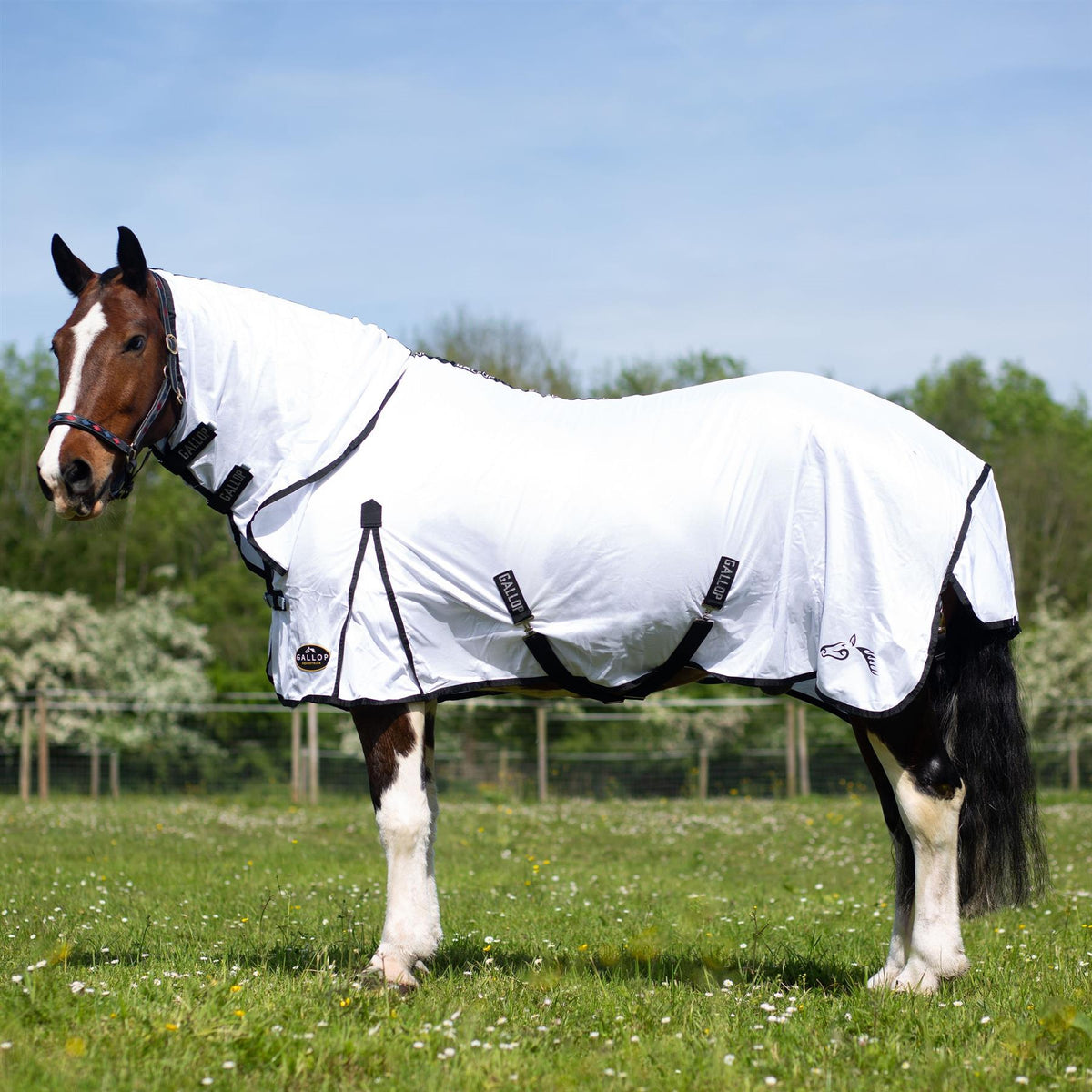
Preventive measures don't stop at vaccinations. Minimizing your stable's mosquito allure is tantamount to building an invisible fortress around your horses. Eliminate standing water, or even tiny pools where mosquitoes joyously breed. Introduce environmental changes, like cleaning water troughs and managing manure. Additionally, repellents can boost defenses, creating an unwelcoming field for these bloodsuckers.
Managing mosquitoes isn't solely about convenience; it's a vital health measure. By cutting mosquito numbers drastically, you decrease exposure risks, crafting a safer domain for your equines.
A Unified Approach to Health
Given the complexities and elusive nature boiling in each case, equine caretakers, veterinarians, and the broader equestrian community must unite. This includes adhering to vaccine schedules, actively engaging in mosquito control, and utilizing resources like the Equine Disease Communication Center (EDCC) for timely updates.
Incorporate a comprehensive strategy that blends vaccination programs, environmental management, and community efforts. Stay informed about the latest outbreaks and preventive methodologies to fashion a shield against WNV and other mosquito-borne menaces.
Final Reflections
West Nile virus may not be entirely eradicated yet, but through effective strategies and communal effort, its impact can be fiercely minimized. Embrace the power of vaccines, engage in maintenance routines, transform your horse's environment, and cultivate an attitude of informed vigilance. By integrating these practices, horse health transforms from a landscape of anxiety to an arena of proactive protection.
With a dash of humor to lighten the weighty issue—remember, a well-protected horse, is a happy horse! And isn’t that every equine guardian's ultimate goal?