Empowering Horse Training with Low Hops and Neuroscience
Horse training is an art that blends patience with strategy, especially when it involves jumping. Traditional methods often present challenges, but Janet Jones, PhD, introduces a refreshing approach in her article "Use Low Hops to Fix Basic Problems". Utilizing insights from neuroscience, Jones emphasizes starting with low obstacles to instill confidence and reliability in horses.
The Magic of Low Hops
The concept of low hops revolves around using small hurdles, approximately a foot high, to develop consistency in young horses like "True". This approach is not about testing their power but building trust and skill. Before advancing to higher jumps, these low hops serve as a safe platform where horses can focus on maintaining a steady rhythm and correct jump technique.
Equine Brain Science in Action
Jones' methods are deeply rooted in neuroscience, particularly the understanding of a horse's visual perception. Unlike humans, horses have dichromatic vision, allowing them to see primarily in shades of yellow and blue. By tapping into this aspect, trainers can effectively use visual cues. Highlighting obstacles with colors that stand out in a horse’s spectrum can significantly enhance their training comprehension.
Practical Visual Cues
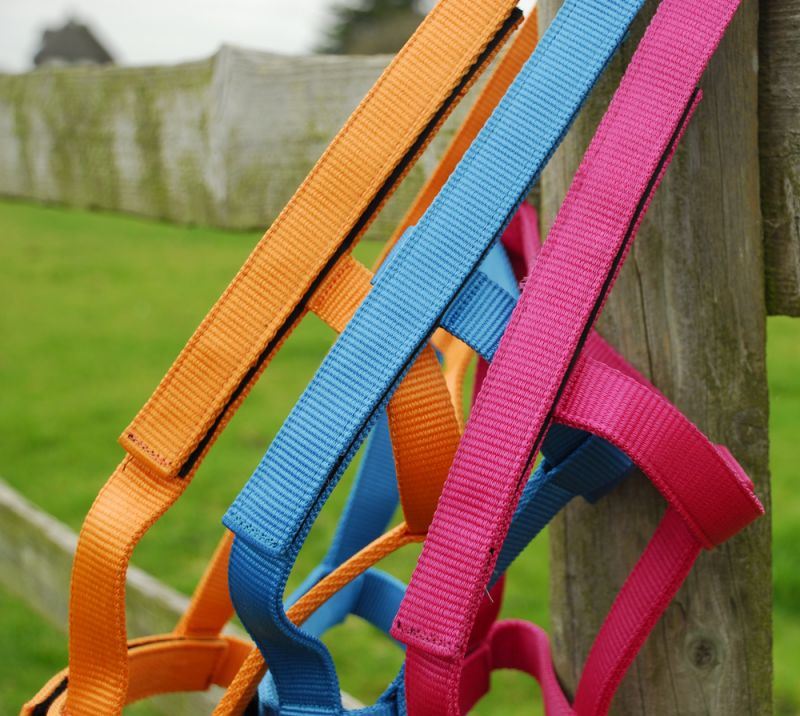
Incorporating visual markers in training doesn’t require artistic finesse but rather smart color usage. For instance, utilizing bright yellows and blues can direct a horse’s attention more effectively than reds and greens, which they have trouble distinguishing. Such strategic use of color heightens the effectiveness of cues, aiding in more precise communication.
Keeping Calm and Consistent
Training inconsistencies often spring from excitement or nervousness. Jones advises a paced approach - slowing down whenever a horse becomes excessively hyper, thereby preventing the escalation of stress. This lays the foundation for a trustful relationship between horse and trainer, as calm and collected sessions contribute to better learning environments.
The Trainer’s Own Journey
Jones proposes a point often overlooked in horse training: the self-awareness of the trainer. The emotional state and skill set of a trainer have substantial influence on the horse’s progress. Trainers are encouraged to enhance their abilities, perhaps by practicing with experienced school horses or seeking mentorship. After all, the trainer should not be the bottleneck in a horse's education.
Embracing Emotional Regulation
The ability to maintain composure is paramount. A trainer who manages personal stress effectively establishes a peaceful training ground, crucial for optimizing horse performance. Encouraging consistent behavior through positive reinforcement, coupled with clear non-verbal cues, makes the training not just a task but an enjoyable journey for both parties involved.
Real World Applications
Jones’ techniques translate seamlessly into actionable steps:
- Start Small: Begin with low hops to ensure the horse's footing in confidence and consistency.
- Strategic Color Use: Use visual cues aligned with equine color perception to aid in training connections.
- Slow it Down: Adjust the tempo when the horse shows signs of excitement to instill calmness.
- Reward Consistency: Positive reinforcement encourages a pattern of reliable behavior.
- Focus on Self-Improvement: Enhance personal skills to ensure trainers do not inadvertently hinder the process.
Conclusion
Janet Jones' innovative approach, blending neuroscience with equine training, promises a paradigm shift in tackling fundamental training problems. By embracing low hops, leveraging knowledge of equine brain science, and fostering an environment of calmness and consistency, trainers can cultivate a more productive and harmonious training space. The principles captured here are part of a larger framework found in her book "Horse Brain, Human Brain," emphasizing a comprehensive, science-backed method for both horse and rider. Those seeking improved equine interaction can find this approach not only scientifically sound but also incredibly practical and rewarding.
For further insights, you can explore more at Your Horse.