The Crucial Role of Vitamin E in Horse Health
Vitamin E might not be the first thing you think of when it comes to maintaining the health of your equine companion, but maybe it should be. This vital nutrient is key for preventing a series of nasty neuromuscular disorders in horses. Let's dive into why vitamin E is so important, how it works, and what it means for our majestic, hay-munching friends.
Why Vitamin E Matters
Simply put, vitamin E is a powerhouse antioxidant. It prevents damage to cells by neutralizing free radicals, those pesky byproducts of metabolism that can wreak havoc if left unchecked. In horses, vitamin E is crucial for the proper functioning of neuromuscular systems. Without enough of it, horses can develop serious conditions such as equine degenerative myeloencephalopathy (EDM) and equine motor neuron disease (EMND). Imagine trying to do a trot or even stand without reliable muscles or nerves!
Understanding Vitamin E's Protective Mechanism
Vitamin E mainly works its magic in the form of alpha-tocopherol. This fat-soluble antioxidant safeguards cell membranes, notably in muscle and neural tissues, by warding off oxidative stress. Additionally, it promotes the integrity of muscle cells, facilitating efficient sodium and calcium flow needed for muscle contractions. No wonder your horse gallops like the wind when vitamin E is part of the picture!
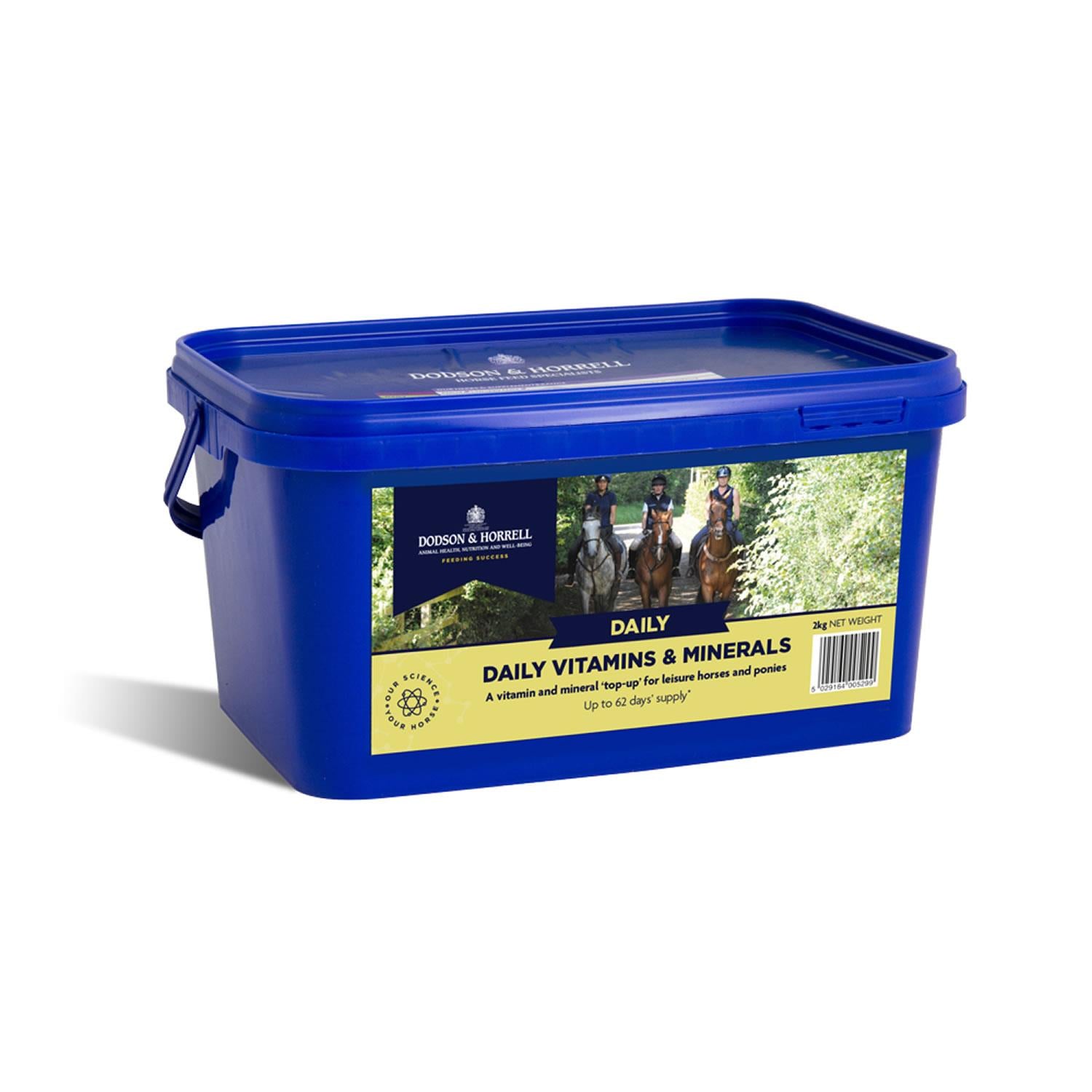
Horses without access to green pastures can lapse into deficiency. While hay is a vital diet component, it loses vitamin E over time, and high-grain diets might not fill the gap. Best keep an eye out if you've turned your steed into a grain gourmet!
Diseases Linked to Vitamin E Deficiency
Various equine diseases arise from a lack of vitamin E:
- Equine Degenerative Myeloencephalopathy (EDM): A condition affecting young horses, EDM causes coordination issues and weakness, often traced back to vitamin E shortages.
- Equine Motor Neuron Disease (EMND): This disorder mostly strikes adult horses, leading to muscle wasting, tremors, and general weakness. Think of it as the equine counterpart to "I skipped leg day again" syndrome, but on a serious level.
- Vitamin E-Deficient Myopathy: Characterized by mitochondrial damage and muscle weakness, this condition is reversible with proper vitamin E along with diet adjustments.
Each of these conditions highlights the importance of ensuring your horse gets adequate vitamin E.
Research and Treatment Advances
There's exciting work on the horizon from experts like Dr. Carrie Finno at the University of California, Davis. Her research underscores that neurological diseases may affect how well vitamin E penetrates the blood-brain barrier, offering hope for more targeted treatments. Horses with these challenges may benefit most from natural vitamin E supplements, which studies have shown to outperform synthetic versions. In fact, natural vitamin E has been found to lower oxidative markers significantly and even enhance athletic performance.
Practical Tips for Horse Owners
First and foremost, regularly monitor your horse’s plasma alpha-tocopherol levels. You might feel like a horse health detective, but it pays off! Aim to include fresh pasture in their diet whenever possible. If your horse is on a restricted pasture regimen, consider natural vitamin E supplements. It's like adding a little magic dust to their daily feed. Also, never underestimate the power of a good partnership with a vet—regular check-ins can help catch any deficiencies before they become problematic.
Additional selenium, in conjunction with vitamin E, offers a synergistic boost for overall health, especially for horses prone to muscle and nerve issues. But remember, one size does not fit all. Consult with a vet to tailor your horse's nutrition and care regimen to their specific needs.
With these strategies and some leafy greens, you'll keep your horse healthy, happy, and ready to conquer any trail or task that comes their way.
Sources: [TheHorse.com](https://www.thehorse.com), [MadBarn](https://madbarn.com/vitamin-e-benefits-for-horses/)