Understanding Senior Horse Behavior: Unlocking the Mysteries
Anyone who has spent time with horses knows they are beautiful creatures with personalities as unique as their coat patterns. But as horses age, their behavior can change in subtle ways that are crucial for owners to understand. Aging in horses, much like in humans, is a part of life's journey and not necessarily a descent into disability.
Rest and Movement: When Getting Up Gets Hard
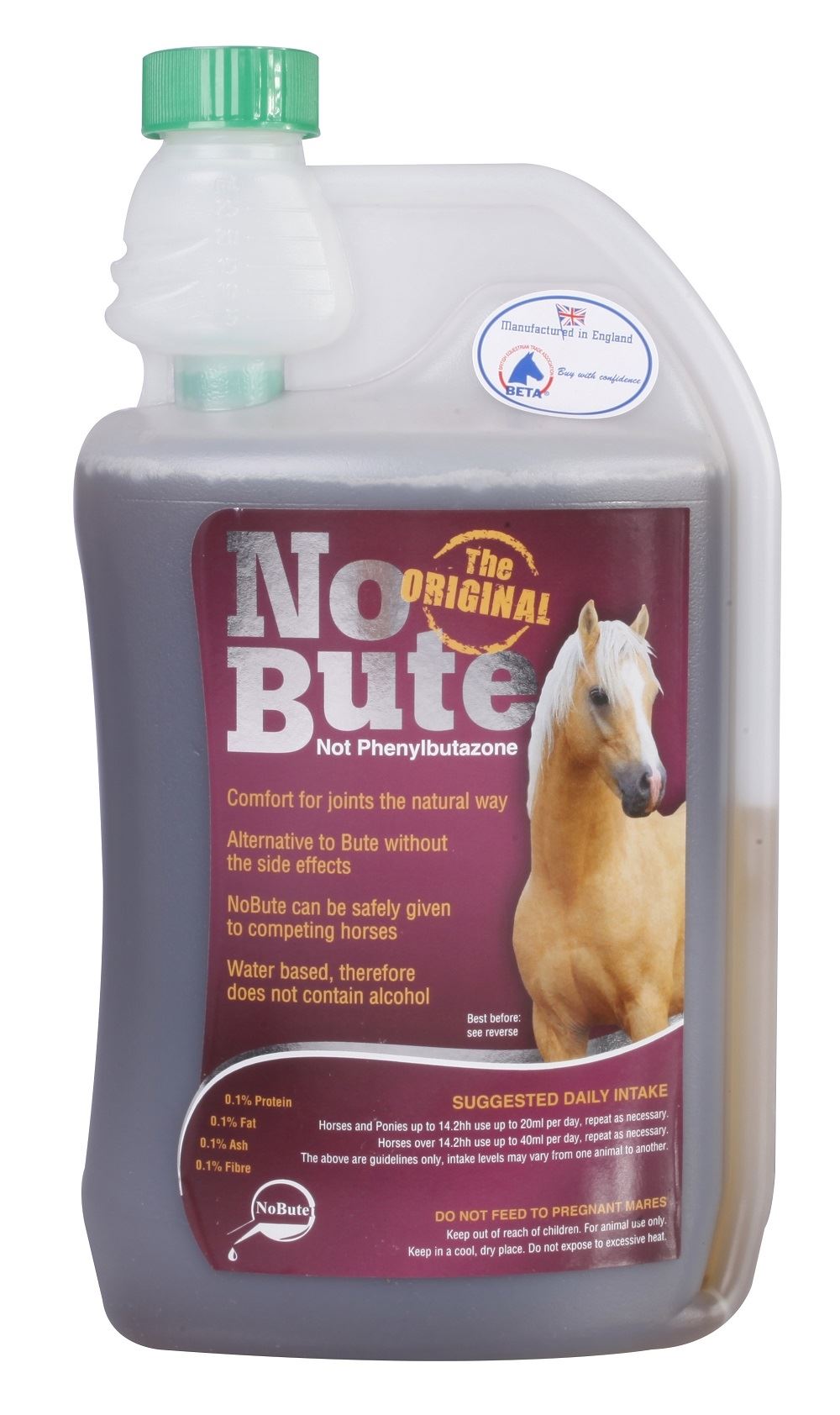
One of the most noticeable changes in senior horses is their rest and movement patterns. Horses that once pranced like royalty might face difficulties lying down and getting back up, often due to arthritis. According to the National Institutes of Health, arthritis is a significant issue affecting horses' mobility as they age. Observing a horse’s rest habits can be vital in determining their overall quality of life. Veterinarians might recommend supplements or special care to assist with joint health, allowing horses to remain active and comfortable.
The Social Puzzle: Group Dynamics and Older Horses
Horses are social animals, and just like your grandma enjoys bingo night, senior horses enjoy the company of their peers. However, they can become easily stressed if they aren't matched with suitable companions. A mixed-age group might not always be the best pasture-party for them. Social arrangements that consider age and capabilities can prevent unnecessary anxiety and promote a harmonious social life.
Personality Shifts: Cognitive Changes on the Horizon
Who knew horses could join you in becoming a little forgetful with age? A shift in a senior horse's personality could indicate discomfort or an adjustment to new physical realities. While research on cognitive change in horses is evolving, anecdotal evidence suggests mental slowing is a real phenomenon. Changes in vision also play a role; an otherwise gentle gelding might suddenly startle easily due to altered sight.
Appetite Alarms: Feeding Senior Souls
“Why the long face, my equine friend?” It might just be because your senior horse is losing its appetite. Dental issues often mean that older horses can’t quite enjoy their favorite hay steaks. Luckily, there are feeding alternatives available to support their dietary needs. Owners should consider options like mashes or enhanced foods with added flavors, creating palatable meals that even their majestic palates can't deny.
The Importance of Attention: Wellbeing and Quality of Life
Whether it's through observing subtle behavioral changes or making grand dietary changes, the key to promoting a high quality of life for senior horses lies in attentive care and necessary adaptations. By addressing these patterns and seeking veterinary advice when needed, owners can ensure their equine companions enjoy their golden years.
With proper attention and an empathetic understanding of the gentle giant’s unique needs, you can turn your senior steed’s golden years into the best chapter yet.