Understanding West Nile Virus in Horses: A Closer Look at a Kansas Case
The West Nile Virus (WNV) has, once again, made its presence known, this time through a 9-year-old warmblood gelding in Johnson County, Kansas. The gelding tested positive for WNV, a severe yet preventable equine disease amplified by mosquito bites. Recognizing the symptoms and understanding control measures can be crucial to protecting horses from this debilitating virus.
Symptoms and Impact of WNV in Equines
Much like the human experience of a mosquito bite that itches for a day or two, WNV in horses isn't something to scratch off. The virus can manifest in symptoms resembling those of the flu, but in more severe cases, it leads to neurological impairments. Symptoms like ataxia (think of it as a stagger in the horse's walk), fever, and unpredictable behavioral changes are red flags. The mortality rate associated with WNV in horses stands at a daunting 30-40%, making it clear that this is not just another bug to swat away.
Prevention Through Vaccination and Control Measures
Prevention, as they say, is better than cure. For WNV, that mantra takes the form of vaccination, which is decidedly the first line of defense. Regular annual vaccinations are recommended, though horses in regions with exuberant mosquito activity might need bi-annual shots. This booster plan helps keep the immune response sharp and ready to combat any potential infections.
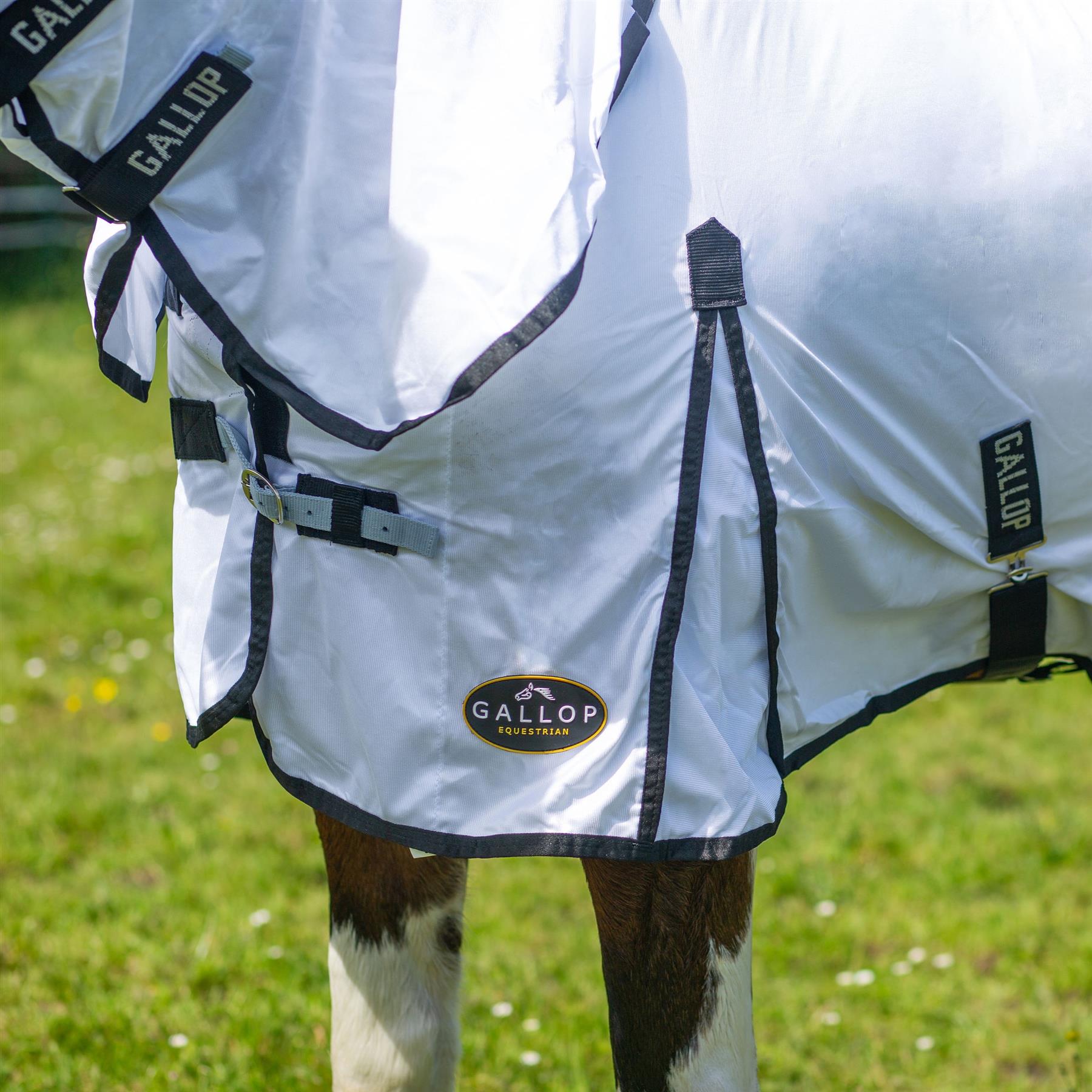
Alongside sticking horses with a needle involves strategizing control measures to limit mosquito interaction in the first place. Owners are encouraged to keep environments dry and free of stagnant water, much like someone avoiding a broken window during a rainstorm. Moreover, using equine-friendly insect repellents can provide an additional protective layer during those high-alert mosquito months.
An Ongoing Battle: The Significance of Disease Surveillance
With the Kansas Department of Agriculture citing multiple cases of equine diseases, it is evident that staying informed fosters a rapid response strategy. The role of organizations like the Equine Disease Communication Center (EDCC) is crucial here. They provide updated outbreak information and disseminate valuable resources to horse caretakers, making sure the community stays one step ahead.
Being proactive in disease management can be likened to regularly checking your parachute before skydiving. Vaccinations, proper equine health routines, and consistent mosquito control can play pivotal roles in prevention success.
Economic Impact and Recovery Considerations
The toll WNV takes isn't just health-related but economic as well. The burdens of treatment and care, coupled with lost productivity of healthy horses, stack up to a handsome financial amount. Though there's no surefire cure for WNV, supportive care beams a sliver of hope for recovery. Some horses may manage to bounce back with attentive post-diagnostic care, emphasizing the value of prompt identification and swift treatment commencement.
However, the cost of care—it is indeed a steep price to pay. It underscores why preventive measures remain an exceptional investment. Consider how much more appealing it is to spend on a thorough fly-repellent strategy than on extended hospitalization and care for affected horses.
Takeaway: Staying Vigilant Against West Nile Virus
In the grand story of horse ownership, what does a horse owner take away from one unfortunate gelding in Kansas? The narrative here is two-fold: stay informed and stay prepared. Vaccinations combined with comprehensive mosquito management strategies are the horse world’s equivalents to wearing armor in a sword fight. Whether you’re running a hobby farm or an expansive equine operation, vigilance is your best tool.
As equine caretakers across the globe ask themselves how to avoid the chaos brought on by mosquito-borne illnesses, the answer remains straightforward: vaccination and prevention. Not only is it about protecting horses from the virus, but it’s also about ensuring their quality of life and maintaining the economic vitality of the equine industry.
Conclusion
The recent case of WNV in Kansas serves as a poignant reminder that the battle against this mosquito-borne nemesis is far from over. While WNV may have a knack for taking the reins, vaccination, and effective mosquito control stand resilient as sentinel measures for safeguarding equine health. Owners can take this case as both a warning and a guide—a guide towards proactive equine care and vigilant disease prevention. It’s time the world of horse caretaking takes the stride in combating WNV, one vaccination, and repellent at a time.
For more information, refer to Equine Disease Communication Center (EDCC).