Understanding West Nile Virus in Horses
It's a tale that repeats every year; as mosquitoes buzz through warm air, horse owners brace themselves for potential health threats like the West Nile Virus (WNV). This viral infection is not new, but a recent case in Wisconsin involving a six-year-old Percheron mare spotlights essential preventive measures.
The Case of Wisconsin's Percheron Mare
The mare, located in St. Croix County, wasn't vaccinated and began showing symptoms of ataxia on September 7, 2025. By September 16, tests confirmed she had contracted West Nile Virus, marking a significant occurrence of the disease in the area. Despite the dire news, the mare is alive, emphasizing a critical point in equine health: prevention and management are key.
Symptoms and Risks Involved
Understanding symptoms can be the difference between life and death for horses exposed to WNV. Horses, much like humans, can display a spectrum of symptoms ranging from flu-like signs and muscle twitching to severe ataxia and altered mental states. WNV can lead to encephalitis, the inflammation of the brain, which pushes the mortality rate to a staggering 30-40% among symptomatic horses. However, this risk further emphasizes the importance of preventative strategies.
The Role of Vaccination
There is no cure for WNV, which underscores the critical nature of vaccination. Veterinarians recommend annual booster shots for horses, with biannual doses in areas with prolonged mosquito seasons, to ensure effective immunity. For horses like the Wisconsin mare that remain unvaccinated, it's crucial to undergo a two-dose initial series. Much like superheroes in capes, vaccines swoop in to shield horses from vulnerabilities against WNV.
Mosquito Control Measures
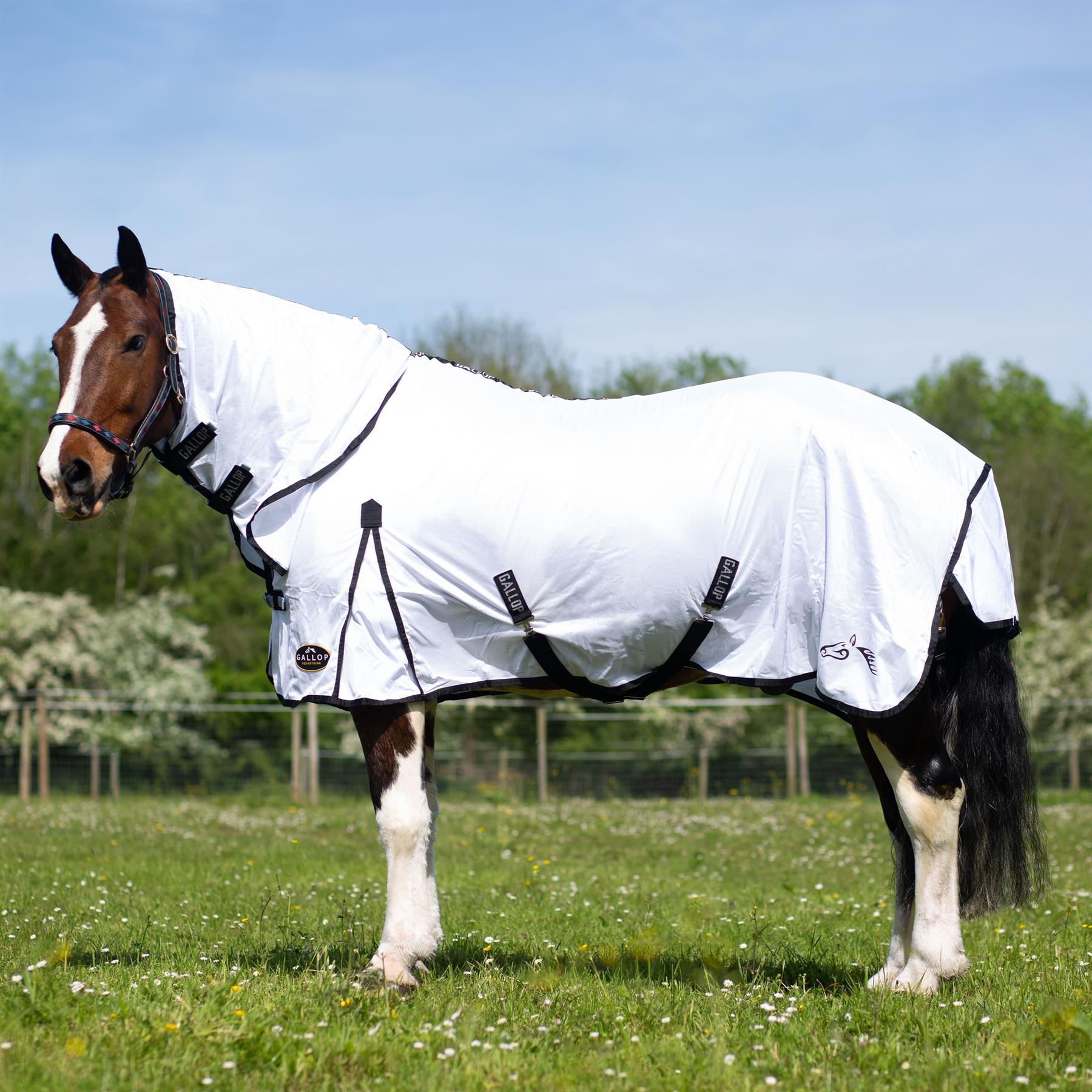
As if mosquitoes weren't annoying enough, these tiny insects serve as vectors for WNV, carrying the virus from birds to horses through a simple bite. Effective mosquito control measures are therefore non-negotiable. Horse owners should eliminate standing water, as this serves as breeding grounds for mosquitoes. Further, limiting horse exposure during peak mosquito activity—from mid-summer to the first hard frost—can significantly reduce infection risk.
The Importance of Information Networks
In addition to physical preventive measures, knowledge dissemination and disease tracking play pivotal roles. The Equine Disease Communication Center (EDCC) stands at the forefront, providing verified reports on equine diseases like WNV. Their work helps build awareness and allows for timely responses among horse owners and veterinary professionals. As they say, knowledge is power!
Closing Remarks
The 2025 WNV case in Wisconsin is a reminder of the persistent threat mosquitoes pose to equine health. This event stresses the importance of adhering to vaccination protocols, enhancing mosquito control, and leveraging communication networks for effective disease management. As we continue exploring the efficacy of vaccines and long-term recovery impacts, remember prevention is always better than a cure. Indeed, with such strategies in place, WNV doesn't stand a chance.