Understanding West Nile Virus in Horses: A 2025 Overview
West Nile Virus (WNV) continues to pose a threat to horses, particularly in Kentucky where recent reports have highlighted a concerning rise in cases. As of late October 2025, Kentucky recorded its 14th case of WNV in horses for the year, emphasizing the importance of vigilance and preventive measures in combating this mosquito-borne disease.Recent Cases in Kentucky
On October 14, 2025, an unvaccinated Rocky Mountain Horse in Grayson County became the 14th confirmed equine case of WNV in Kentucky this year. This underlines the critical role that vaccination plays in disease prevention. In fact, a notable percentage of these cases occurred in unvaccinated animals, drawing attention from veterinarians and public health officials alike. Other confirmed cases have appeared across multiple counties, including Bourbon, Boyle, and Fayette, highlighting the virus's reach within the state.The Symptoms and Risks of WNV in Horses
WNV primarily manifests as neurological symptoms in horses. Common signs include ataxia, muscle twitching, fever, and behavioral changes. In severe cases, the disease may lead to paralysis or even death. Of the cases through September 2025, four to five horses succumbed to the virus, while others managed to survive with supportive care. The key takeaway is that although there is no specific antiviral treatment for WNV, early detection coupled with supportive care can significantly improve outcomes. Horse owners are thus urged to stay alert to any signs of illness and consult with a veterinarian promptly.Transmission and Prevention
WNV is transmitted predominantly through mosquito bites. Mosquitoes, having contracted the virus from birds, are the primary vectors. Once transmitted to horses (or humans, who are also considered "dead-end hosts"), the virus does not further spread to others. Preventive measures are crucial and should include:- Vaccination: Vaccinating horses remains the most effective form of prevention, providing nearly 100% protection. Both killed and recombinant vaccines are available, requiring initial doses followed by yearly boosters.
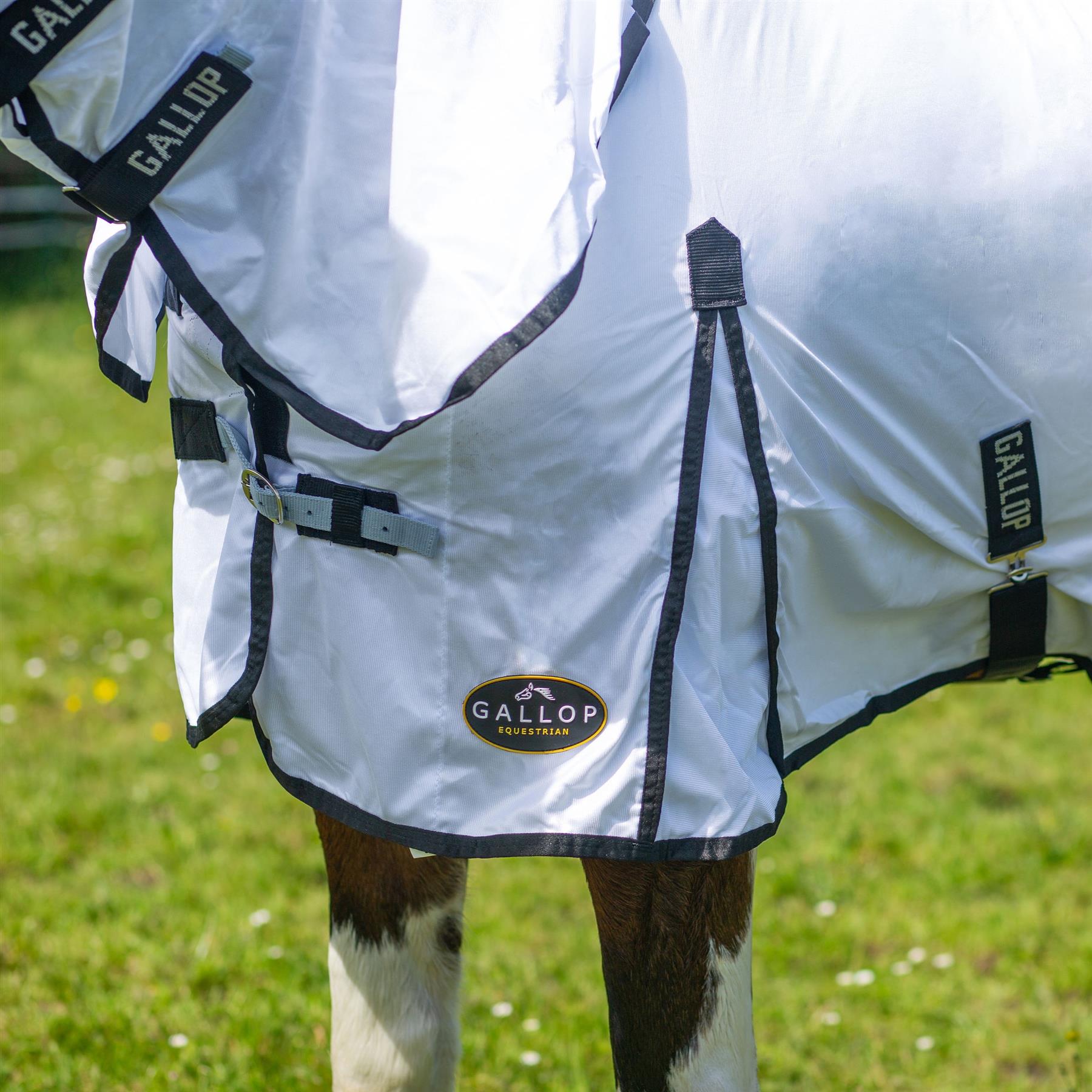
- Mosquito Control: Reducing mosquito habitats by eliminating standing water, stabling horses during peak mosquito activity times, and using approved mosquito repellents are all effective strategies.