An Important Public Health Event: West Nile Virus Confirmed in North Dakota Equine
Understanding West Nile Virus Transmission
The recent confirmation of a West Nile Virus (WNV) case in a horse residing in Rolette County, North Dakota, highlights a significant public health concern for the equine community. West Nile Virus is primarily spread to horses through the bites of infected mosquitoes. As such, environmental factors play a substantial role in the transmission dynamics of this disease. In fact, areas with large mosquito populations and extended mosquito seasons see a higher prevalence of WNV cases. This zoonotic virus doesn't solely affect equines but can also pose risks to humans and other animals exposed to the pathogenic bites.Clinical Signs and Mortality
Horses infected with WNV can exhibit a range of clinical signs, which frequently include flu-like symptoms, muscle twitching, and increased sensitivity. Some horses may show more severe neurological symptoms like altered mental status and ataxia, which compromises their coordination. Although there is no definitive cure for WNV in horses, supportive veterinary care can aid recovery, bringing hope amidst a daunting situation. Unfortunately, the mortality rate amidst affected horses remains high, ranging between 30% to 40%, underscoring the urgency and importance of influencing prevention efforts to avert such outcomes.Vaccination: A Crucial Preventive Strategy
Vaccination is regarded as one of the most effective defense mechanisms against the West Nile Virus in equines. Most horses require an initial series followed by annual or semi-annual booster vaccinations. This schedule is especially crucial in areas confronted with prolonged mosquito activity. Moreover, horse owners are advised to engage in consultation with their veterinarians, ensuring that these vaccination protocols are correctly adhered to, thereby maximizing their horses' immunity against WNV.Mosquito Mitigation Techniques
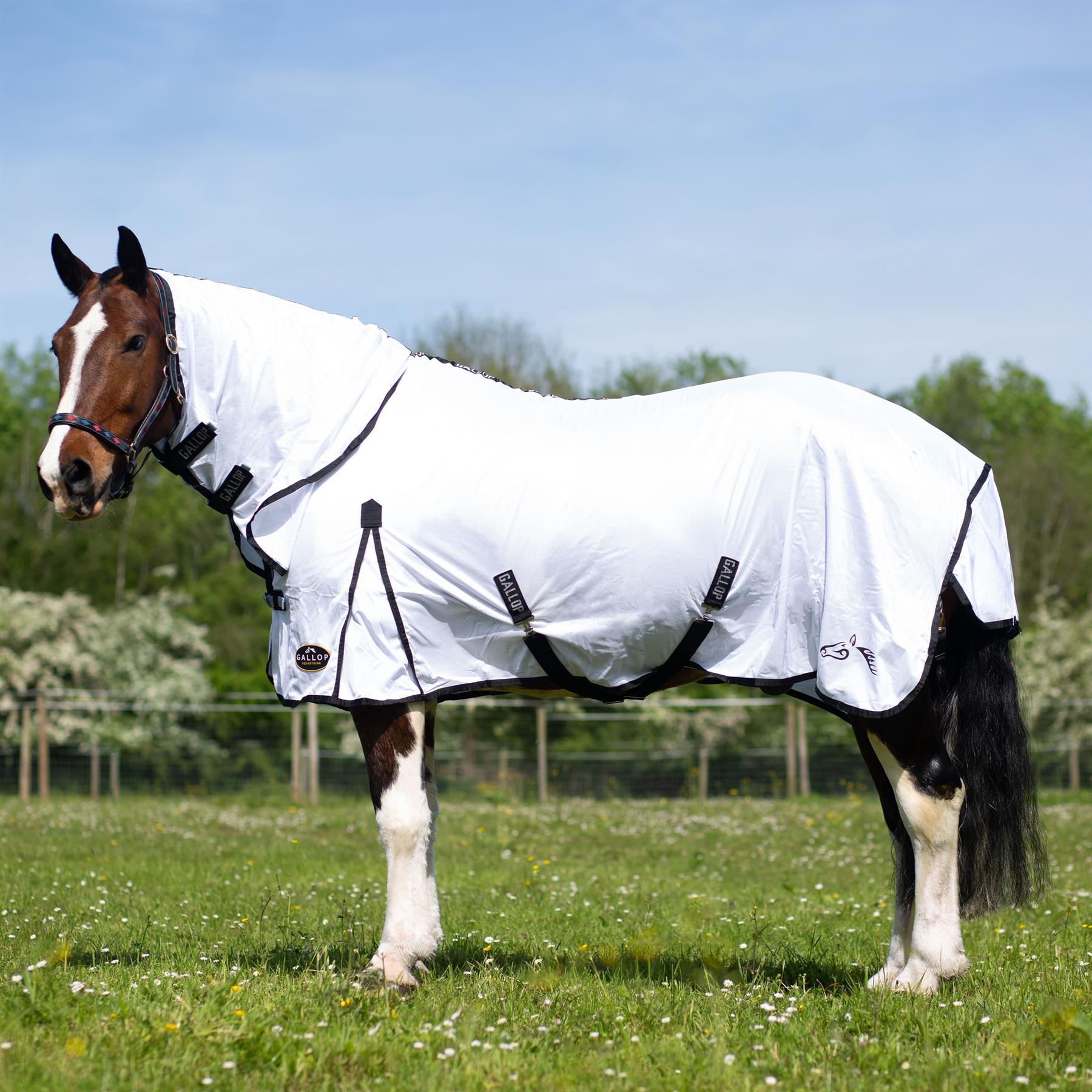
Proactive management of mosquito populations remains key in minimizing the risks associated with WNV. Measures to reduce mosquito breeding include the elimination of stagnant water sources and ensuring cleanliness of barns and stables. Furthermore, employing insect repellents and limiting equine outdoor exposure during peak mosquito activity hours can collectively reduce the infection risk.Importance of Information Dissemination
At the heart of combating WNV in the equine domain is the effective dissemination of information. Resources like the Equine Disease Communication Center play an indispensable role by providing timely updates on infectious equine diseases. With fortified partnerships within the industry, these resources ensure easy access to critical information, enabling horse owners to remain informed and vigilant.Interconnected Nature of WNV Across Species
Interestingly, North Dakota has also reported increased human cases of WNV, making it a cross-species issue. This interconnected risk reiterates the necessity for community-oriented actions aimed at reducing mosquito breeding grounds, promoting awareness, and implementing personal protective strategies to thwart mosquito encounters.Future Research and Economic Implications
The emergence of WNV cases brings to light several pathways for further research. Enhanced development of equine vaccines, improved strategies tailored for mosquito control in rural areas, and case studies from other regions could be groundbreaking in elevating our current understanding and management of WNV. Additionally, assessing the economic repercussions of WNV is imperative, as outbreaks can severely impact the equine industry, affecting breeders, owners, and associated services financially.Conclusion
As the WNV situation unfolds in Rolette County, the focus remains steadfast on employing a collaborative approach to showcase how vaccination, mosquito control strategies, and timely information dissemination can act as complementary facets of a successful containment and prevention campaign. With continued vigilance and proactive measures, the equine community can remain resilient in the face of such viral threats.For further information, please refer to the full article: TheHorse.com