West Nile Virus in Horses: A Success Story of Recovery and Prevention
In a tale that's both educational and encouraging, a young Quarter Horse filly from Beaver County, Utah, managed to completely recover after contracting the daunting West Nile virus (WNV). This incident highlights not just the menace of WNV but also the power of vaccination and effective supportive care.
Understanding the Threat of WNV
West Nile virus is a notorious culprit that mosquitoes transmit, bringing along its unwelcome fare of flu-like symptoms, twitchy muscles, hypersensitivity, and the more alarming neurological issues. The mortality rate for horses ranges between 30% to 40%, turning preventive measures into a top priority.
The magical crux of the Utah filly's recovery lay in the timely administration of treatment, including non-steroidal anti-inflammatory drugs (NSAIDs) and antimicrobials. The filly, initially hesitant to move and experiencing some muscle spasms, showed remarkable improvement within four days of veterinary care.
Vaccination: The Shield Against WNV
Vaccination stands as the cornerstone for preventing WNV among horses. Horses initially unvaccinated start with a two-shot vaccine series, after which they trot along an annual booster path. In regions with prolonged mosquito seasons, some veterinarians recommend two annual boosters. The power package offered by vaccines includes inactivated whole-virus vaccines, modified-live recombinant vaccines, and live-chimera vaccines — quite the team if you ask me!
These vaccines are not mere placebos. Studies have shown them to offer 100% survivorship, a steady prevention of clinical symptoms, and a reduction in the virus's grim neurological impacts. The USDA's stamp of approval further assures their safety and efficacy, with organizations like the American Association of Equine Practitioners backing them as core vaccines.
Mosquito Control: Keeping the Buzz at Bay
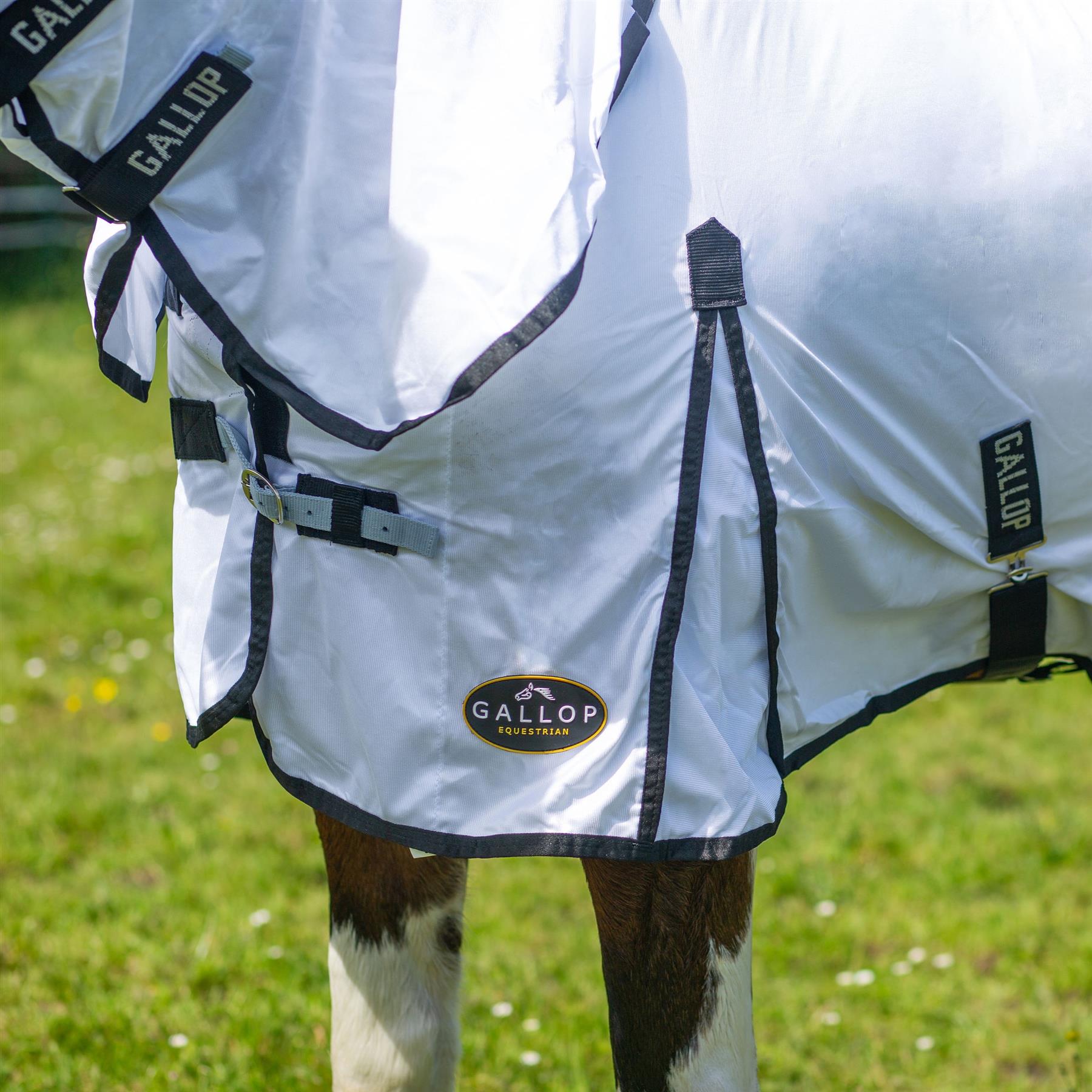
Vaccination may be the horse's bodyguard, but mosquito control acts as the fortress preventing invasion. This fortress includes practical strategies like eliminating stagnant water and setting up sanitary water sources. Not to mention the double duty of keeping your barn-friendly giant indoors during mosquito prime time: dawn and dusk. Topical mosquito repellents and fly masks serve as additional armor against these winged intruders.
The Role of Equine Disease Communication Center (EDCC)
Enter the Equine Disease Communication Center (EDCC), an unsung hero playing a pivotal role in the horse health narrative. The EDCC routinely produces verified disease information, sharing critical updates through their Health Watch program. The Utah WNV case is a perfect example of how EDCC's work aids in promoting protective actions, benefiting both horse owners and veterinarians alike.
Additional Context from Scientific Research
Studies support the assertion of vaccines' effectiveness, demonstrating not only full survivorship but also substantial reduction in symptoms when confronted with the virus. Yet, as robust as vaccination might be, embracing mosquito control remains a vital aspect of a comprehensive protection plan. A class of students where vaccination alone doesn’t ensure perfect attendance, if you will.
Maintaining a state of preparedness revolves around several preventive maneuvers:
- Stick to vaccination schedules and adjust boosters according to prevalent risks.
- Actively monitor and eliminate standing water to deter mosquito breeding.
- Ensure horses are kept indoors during peak mosquito activity for added protection.
- Add a layer of protection with mosquito repellents and fly masks where feasible.
Conclusion: A Collaborative Path to Prevention
The Utah filly's full recovery is a testament to the miracles of modern veterinary science and the time-tested wisdom of comprehensive prevention strategies. In closing, let us cheerfully recognize the combined power of vaccination, diligent mosquito control, and community-led networks like the EDCC in shielding our equine companions from WNV. And to the horses, keep calm and canter on!
Source: The Horse