The Unseen Peril: West Nile Virus in Horses
It seems like horses in Harper County, Kansas, are facing an unusual problem that requires more than just a stable boy with a friendly demeanor and a sugar cube. This isn't any ordinary dilemma—it's the West Nile Virus (WNV), a mosquito-borne disease that can pose serious threats to equine health. As horse owners and equine welfare stakeholders, understanding the preventative measures and management of this disease is crucial for safeguarding our equestrian friends.
Understanding West Nile Virus and Its Impact
West Nile Virus is transmitted primarily through bites from infected mosquitoes. Much like an unwanted party crasher, it can sneak up out of nowhere and leave a trail of chaos in its wake. This virus can result in a myriad of symptoms in horses, including flu-like signs, muscle twitching, increased sensitivity, altered mental statuses, drowsiness, and even paralysis. The condition varies from horse to horse, but one thing remains constant: there's no surefire cure.
While the prospect of recovering from WNV with supportive care exists, it's a risky business, with mortality rates remaining significant at 30-40%. Therefore, prevention is key. But what can horse owners do to stay one step ahead of this elusive adversary?
Vaccination: The First Line of Defense
The cornerstone of preventing WNV lies within the realm of vaccination. Horses that have been inoculated before require annual booster shots to keep their defenses up. Unvaccinated horses will need a primary series of two shots. In places with extended mosquito seasons—because apparently, Kansas mosquitoes don't take holidays—two annual booster doses could be necessary.
This method of fortification ensures that your horse is well-prepared to combat WNV, much like a medieval knight bracing for battle. Yet, waiting for a vaccination isn't enough. There's more in the arsenal required to protect equine health.
Why Control Mosquito Populations?
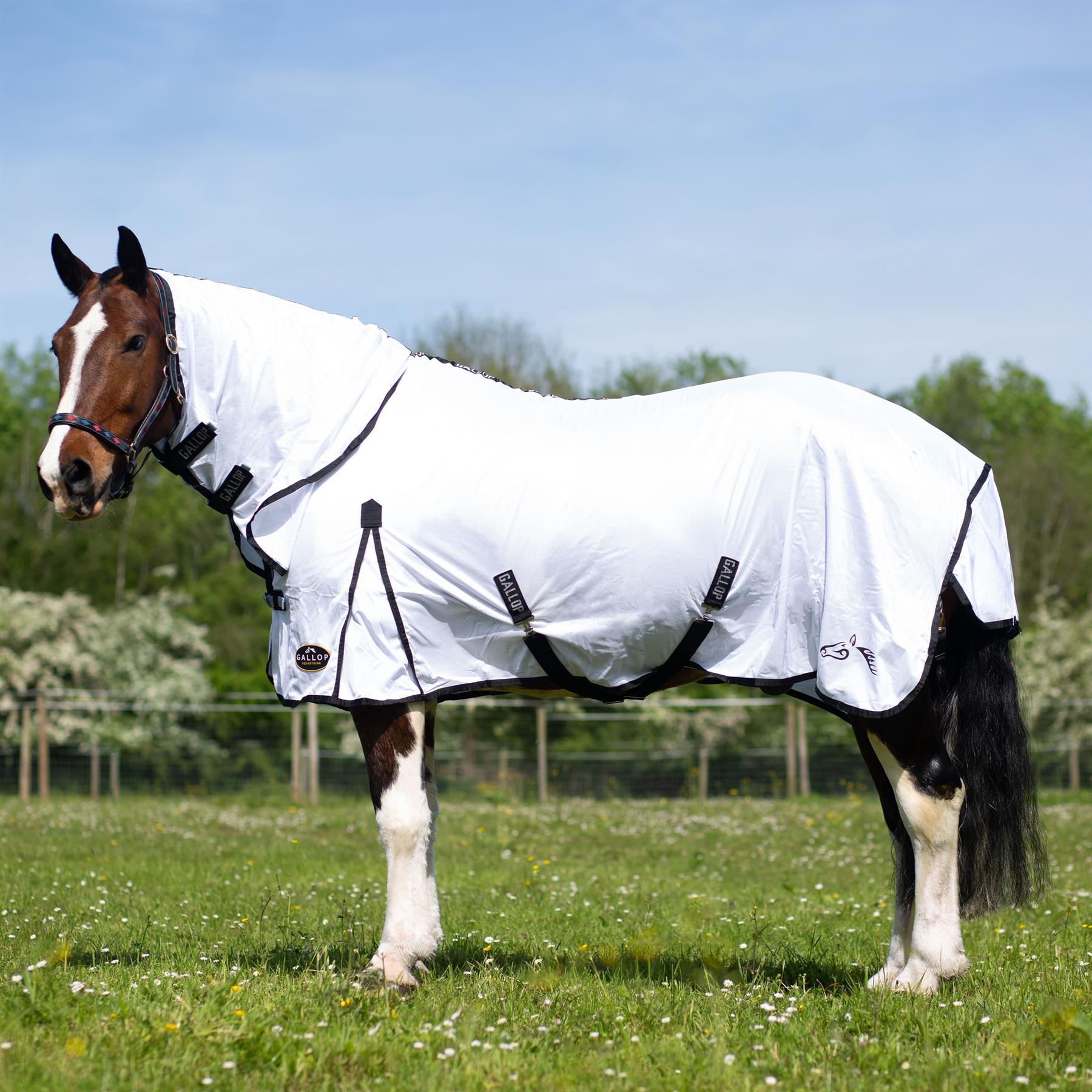
The age-old strategy of reducing mosquito populations remains indispensable. These tiny vampires need breeding grounds, and stagnant water provides just that. By eliminating these mosquito-friendly environments, horse owners can strike at the very heart of the problem. Alongside this, using equine-approved mosquito repellents serves as an extra layer of defense—think of it as the mosquito equivalent of a "No Trespassing" sign.
The necessity for such proactive measures can't be stressed enough, given the potential severity WNV can possess. It's not merely about protecting horses from discomfort; it's about safeguarding lives.
Collaboration with Experts
The Equine Disease Communication Center (EDCC) emerges as a champion in the crusade against WNV. This independent nonprofit organization, sustained by industry donations, offers free access to reliable information on infectious equine diseases like WNV, enhancing the ability of horse owners and veterinarians to make informed decisions.
In addition to the fight against WNV, there have been instances of other infectious diseases affecting equines, such as Equine Infectious Anemia (EIA), which further emphasize the importance of comprehensive monitoring and disease management programs. In recent situations, including those in Kansas, the implementation of vaccination schemes, integrated with environmental mosquito management, emerges as the best overall defense against these equine vulnerabilities.
Conclusion: Proactivity Over Reactivity
Dealing with WNV in horses is no laughing matter. Yet, with a strategic approach encompassing vaccination, mosquito control, and informed decision-making, it is possible to remain one step ahead of the risks. Horses may not speak our language, but through these proactive measures, we assure them of our unwavering commitment to their wellbeing.
Like any battle, the struggle against WNV and other equine diseases is won through preparation and vigilance. As horse patrons and equine caretakers, it's up to us to ensure these magnificent creatures continue to roam the plains, serving as noble reminders of our shared stewardship of the earth's beloved animals.
For more detailed information and emerging updates on WNV and other equine health information, providers like The Horse and organizations like the EDCC play vital roles in ensuring you're never out of the loop when it comes to your horse's health.