

What Really Happens in the Holding Box at a Trot-Up Event?
Trot-up events in equestrian circles are an essential part of competition. They serve as a preliminary health inspection of horses, ensuring that only the healthiest equine athletes take part in the rigorous physical activities that lie ahead. However, one part of this process that often piques curiosity is the holding box, where a more thorough veterinary re-evaluation is conducted. This article delves into the detailed proceedings within a holding box, its purpose, importance, and overall significance in equestrian events.
The Purpose of the Holding Box
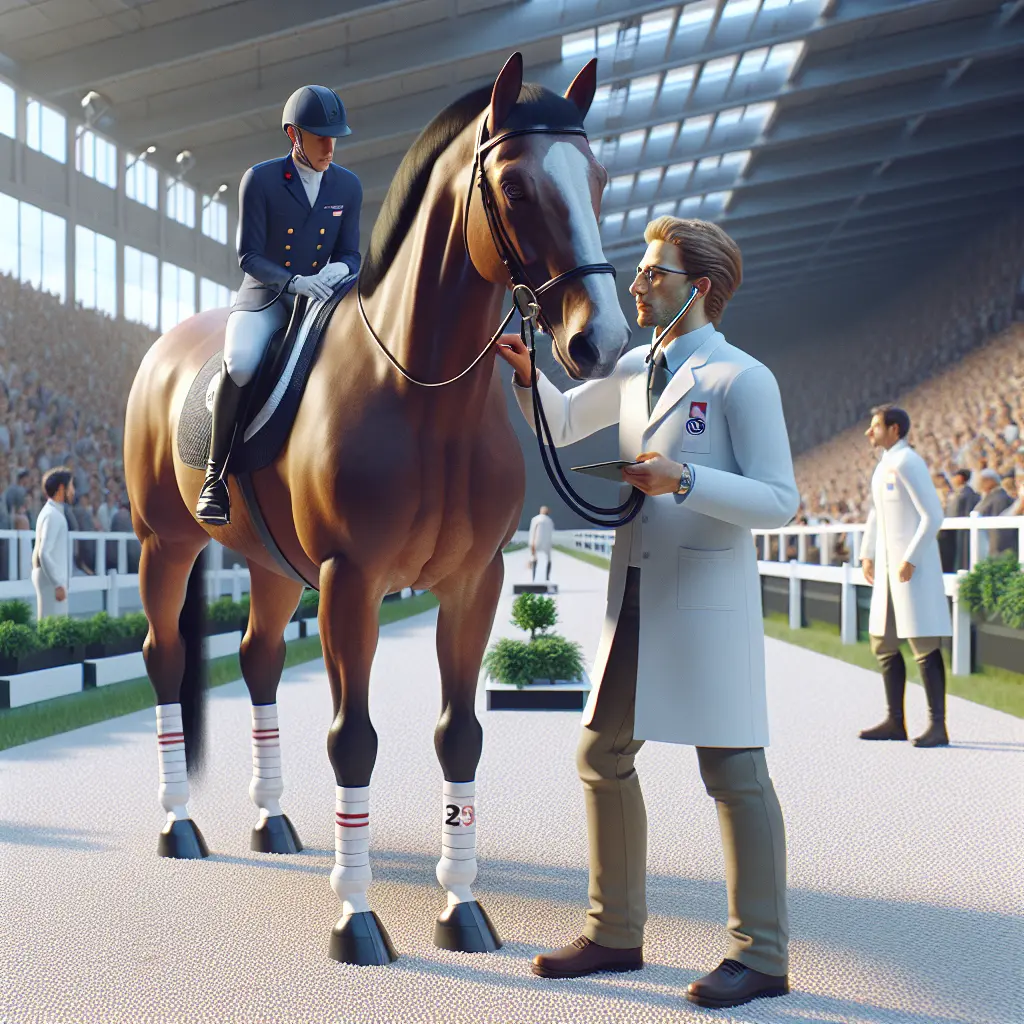
The holding box serves as a final checkpoint for equestrian health. During a trot-up event, a horse is initially inspected by a group of veterinarians who evaluate its physical fitness through visual scrutiny and movement evaluation. Doubts about a horse's fitness—whether due to minor lameness signs or a divide among the panel—lead to the usage of the holding box for further inspection.
Preventing Health Risks
Critically, the holding box is where preventive health measures are prioritized over competitive ambitions. Horses showing signs of potential issues won't be allowed past this checkpoint unless proven fit, ensuring no further exertion exacerbates existing conditions.
What Happens Inside the Holding Box?
Inside the holding box, a veterinarian undertakes a thorough evaluation:
- A 'hands-on exam' is conducted, which involves checking for any detectable irregularities that might indicate health concerns.
- The horse is tested by observing it walk and trot in different settings to assess subtleties in movement.
- There's a palpation of limbs and muscles to detect any unusual tension or swelling, enabling the early detection of injuries.
- However, flexion tests, which may induce discomfort, aren't carried out in this phase as per the official regulations.
The Role of the Rider's Vet
The involvement of a rider's own veterinarian is encouraged, providing personalized insights into the horse’s unique medical history and pre-existing conditions, enhancing the clarity of the re-evaluation.
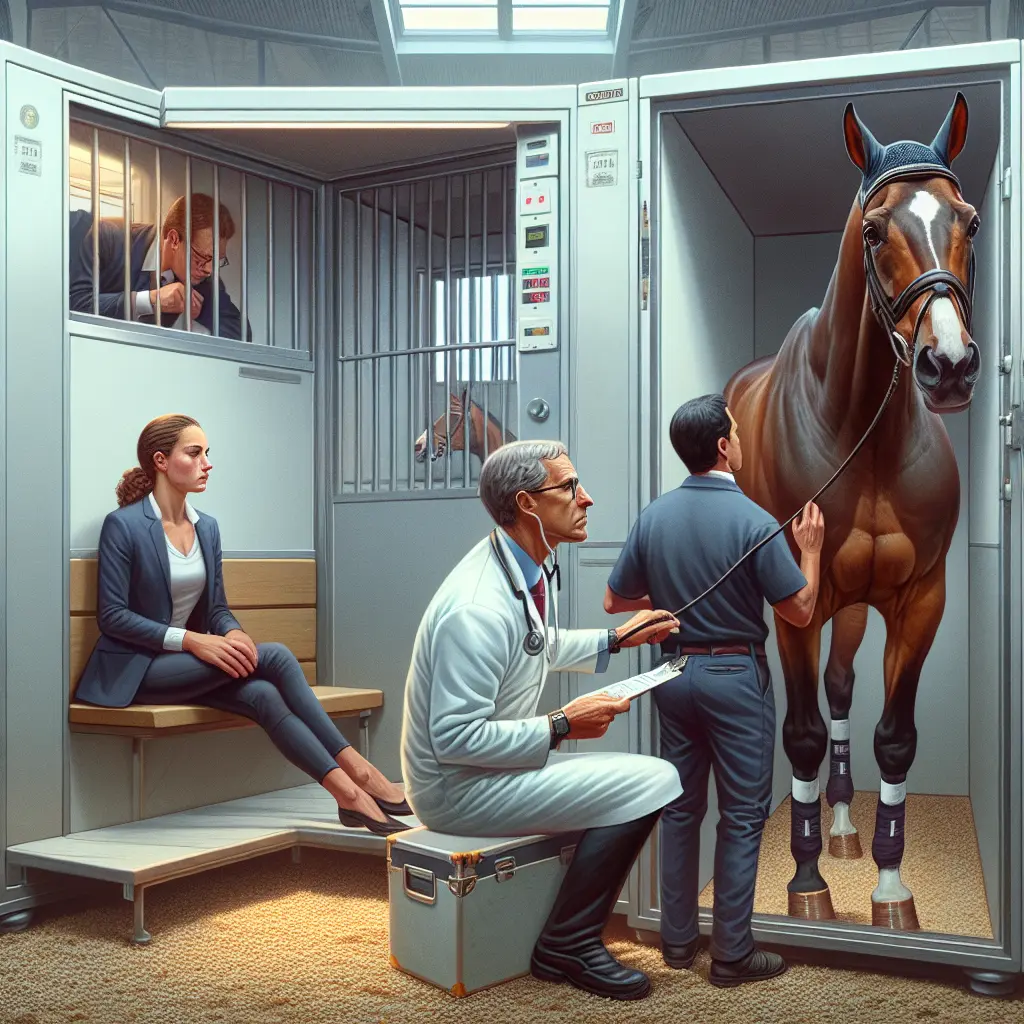
An innovative element in the process is that findings and decisions are communicated directly with the rider, facilitating an informed choice on whether to continue or withdraw from competition.
Location and Setup of the Holding Box
The holding box maintains a strict standardized setup for fairness and uniformity:
A Secured, Private Space
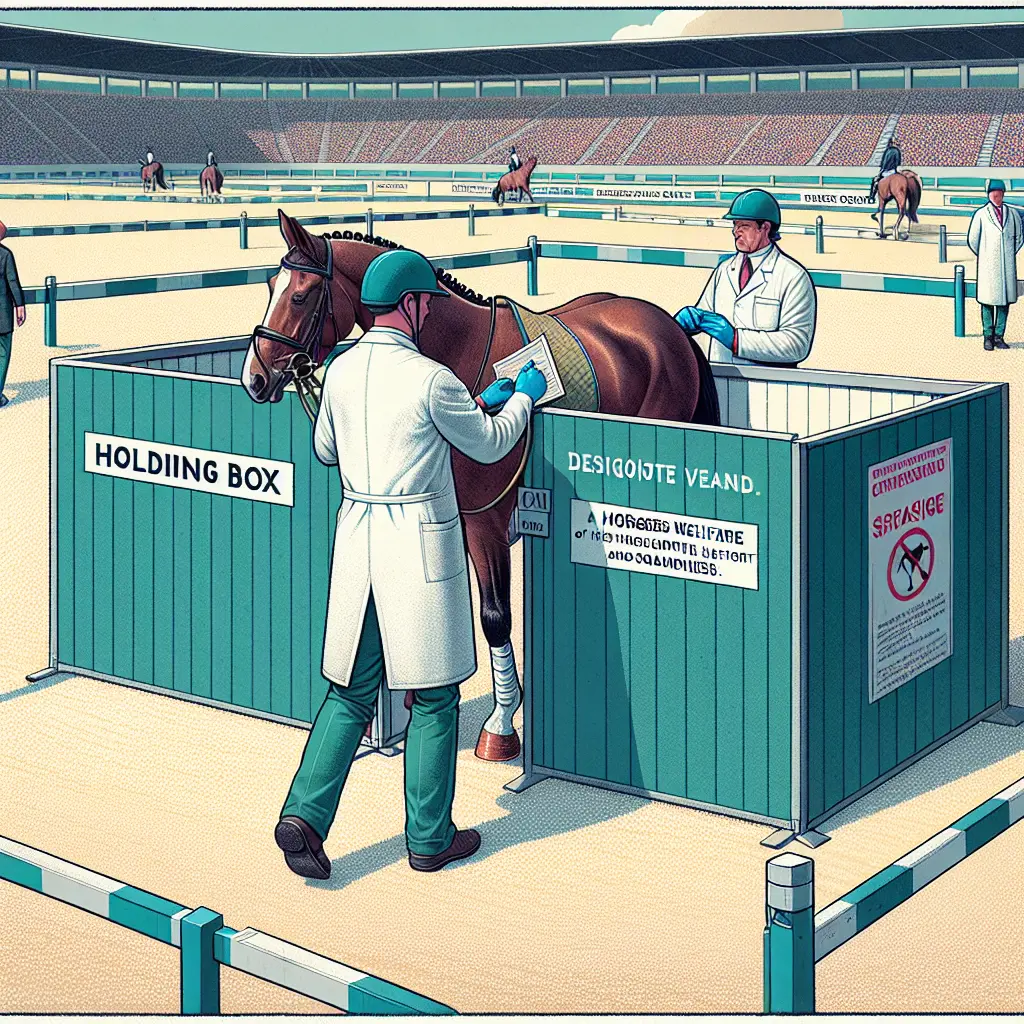
It is a segregated area shielded from spectators and media attention, reducing stress and distractions that may affect the horse's natural behavior.
Consistency in Surface
This space's surface is identical to the inspection track, ensuring consistency in the horse's movement assessment.
Safety Protocols
With stewarded security, the safety of humans and animals is ensured, creating an environment prioritizing horse welfare.
The Decision Process After Holding Box Examination
Post-exam, the findings are relayed to the primary panel for a binding decision on the horse’s future in the event. The vet's report holds significant weight in these deliberations, however, the final judgment rests with the ground jury.
No Appeals on Decision
Once determined, the verdict on a horse’s unsoundness is non-negotiable, emphasizing the sanctity and rigour of these evaluation processes.
Why Is the Holding Box Important?
Incorporating the holding box in trot-ups demonstrates a commitment to ethical standards and equine health:
Transparency and Fairness
The box establishes transparent practices in handling cases with minor health questions, enabling a structured reassessment without undue pressure.
Protecting Equine Health
Through preemptive examinations, the holding box plays a pivotal role in safeguarding against potential injuries, facilitating a culture of care and consideration over competition.
Impartial Decision-Making
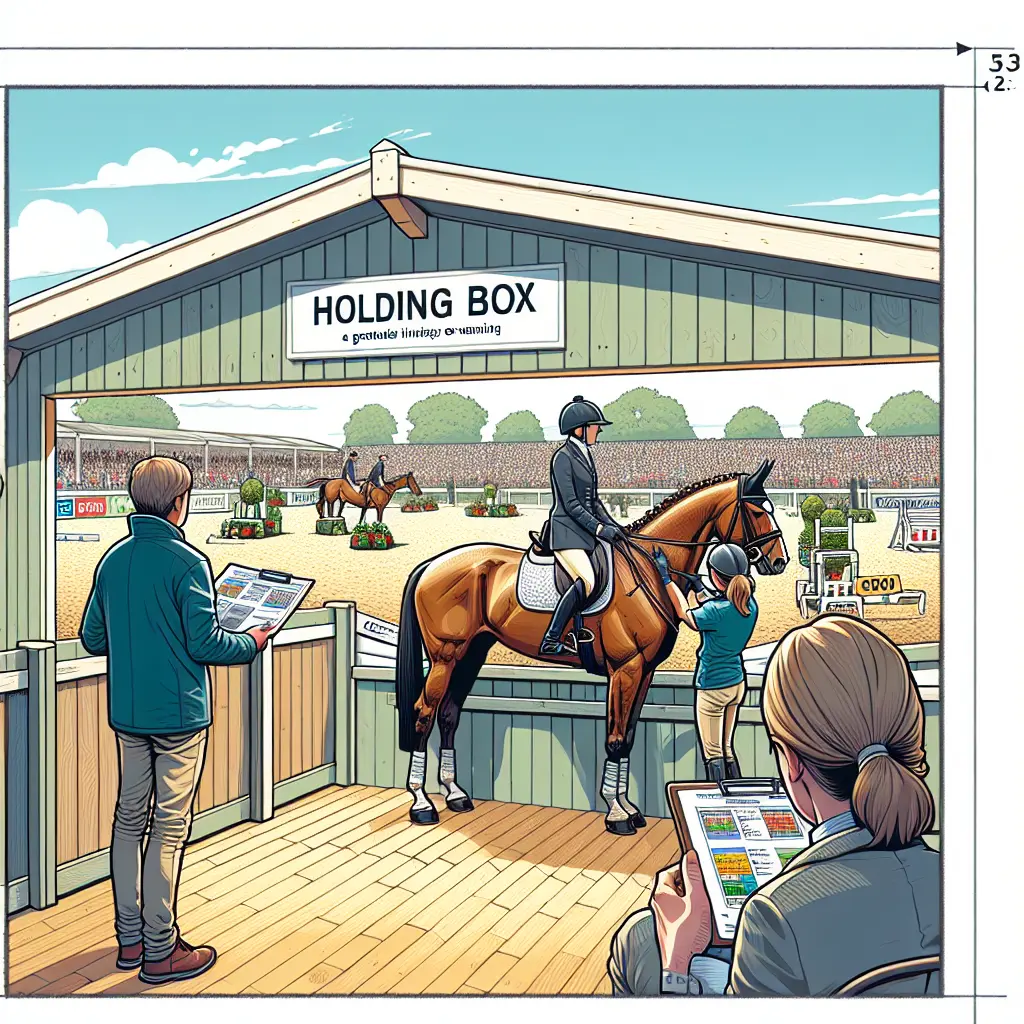
Riders benefit from the opportunity to provide supplementary data and context behind any potential issues, ensuring a comprehensive assessment.
Setting Standards in Care
Ultimately, the successful integration and usage of holding boxes in events is indicative of high fitness standards and thorough vetting practices, enhancing overall event credibility.
Conclusion
By fostering a harmonious relationship between competition and wellbeing, the holding box has redefined standards in equestrian sports. These initiatives ensure not only successful events but also prioritize the longevity and health of horses, reflecting an understood balance between ambition and care.
If you're looking for further insights into equestrian apparel or equipment, explore our Jodhpur Collection. Additionally, our extensive range of horse supplements aim to support the ongoing health of your horses, promoting a competitive edge while ensuring wellbeing.