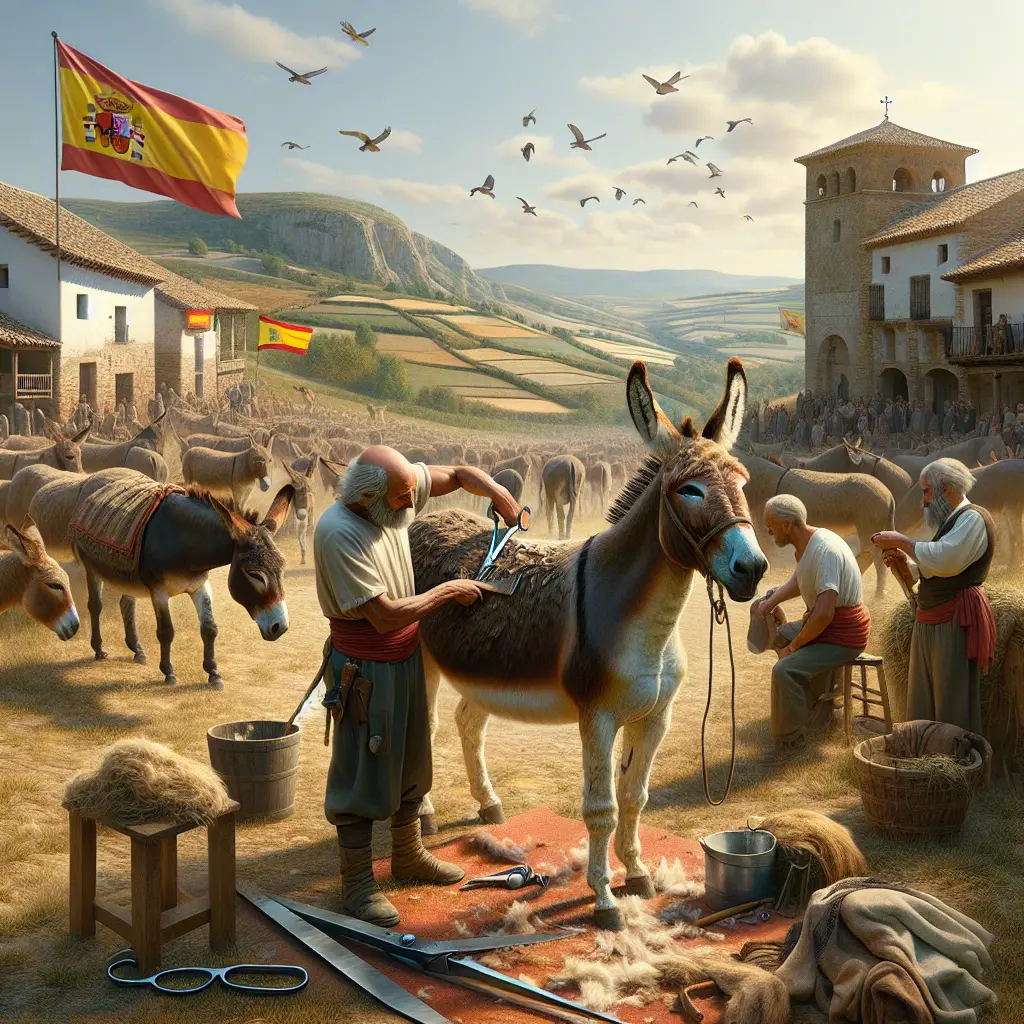
The Ancient Art of Donkey Shearing: Insights into Traditional Practices in Spain
The ancient art of donkey shearing is a fascinating tradition in Spain, blending animal care with cultural heritage. This article explores the historical role donkeys have played in Spain, the traditional shearing practices, their significance, and how these methods have adapted in modern times.
The Historical Role of Donkeys in Spain
Donkeys have been companions to humans in Spain for over 5,000 years, aiding in agriculture, transportation, and more. Known by various names such as burro and asno, these animals are ingrained in the rural fabric of Spain. Their endurance and reliability have been crucial in shaping the agriculture and economy of many regions.
Understanding Donkey Shearing
Unlike sheep, donkeys don't produce wool, but they still require regular shearing to maintain health and comfort. Shearing involves trimming their coats to prevent overheating in warm climates and to reduce the risk of parasites. This practice highlights an ancient approach to donkey management that balances practical needs with cultural traditions.
Traditional Shearing Practices
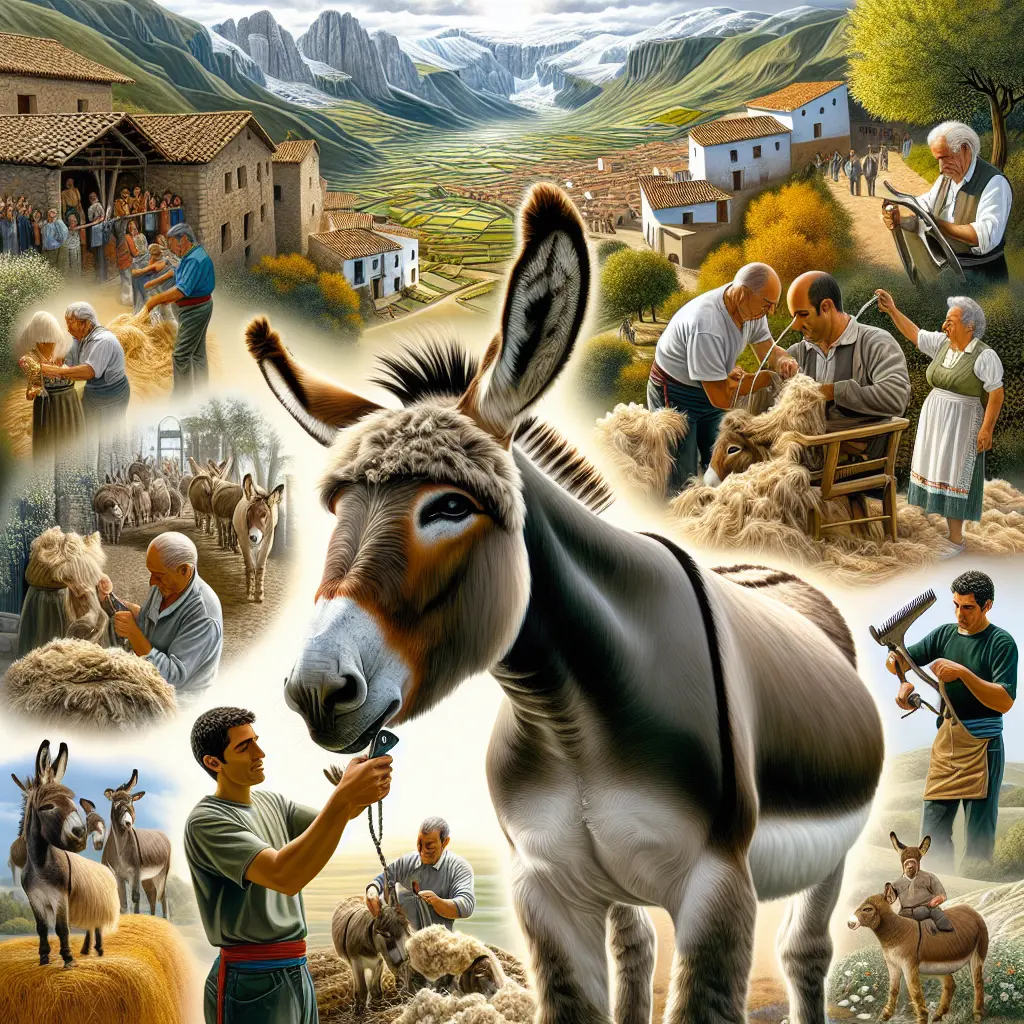
In rural areas of Spain, donkey shearing is often a communal event. The process begins with gently restraining the donkeys to ensure safety. Using hand shears or specially adapted clippers, the shearer carefully trims the donkey's hair, following the natural direction of growth and paying close attention to sensitive areas like the belly and ears.
The Seasonality of Shearing
Shearing is traditionally done in the spring, preparing the donkey for the summer heat. This timing also aligns with agricultural cycles, allowing farmers to introduce freshly shorn donkeys to the fields as planting begins.
Cultural Significance
Donkeys represent more than mere animals in Spain. They symbolize resilience, patience, and the enduring connection with the land. Donkey shearing reflects these values, forging community ties and honoring heritage. In some regions, the practice is incorporated into local events and festivities, celebrating the traditions and skills passed down through generations.

Modern Interest and Preservation
In today's rapidly changing world, there is an increasing interest in preserving these ancient practices. Eco-tourism and heritage projects are promoting the art of donkey shearing, ensuring that its cultural significance is not lost amidst modern progress. Regions like Catalonia and the Basque Country are particularly invested in showcasing this tradition.
Donkeys in Rural Sports
In some areas, donkeys even play a role in Basque rural sports, a testament to their place in local culture. These sports celebrate traditional farming practices and animal husbandry, offering a platform for community members to honor their shared past.
The Practical Benefits of Shearing
Apart from cultural importance, shearing provides numerous health benefits for donkeys. By removing excess hair, the practice helps prevent overheating and reduces the prevalence of skin infections and parasite infestations.
Techniques Evolved Over Time
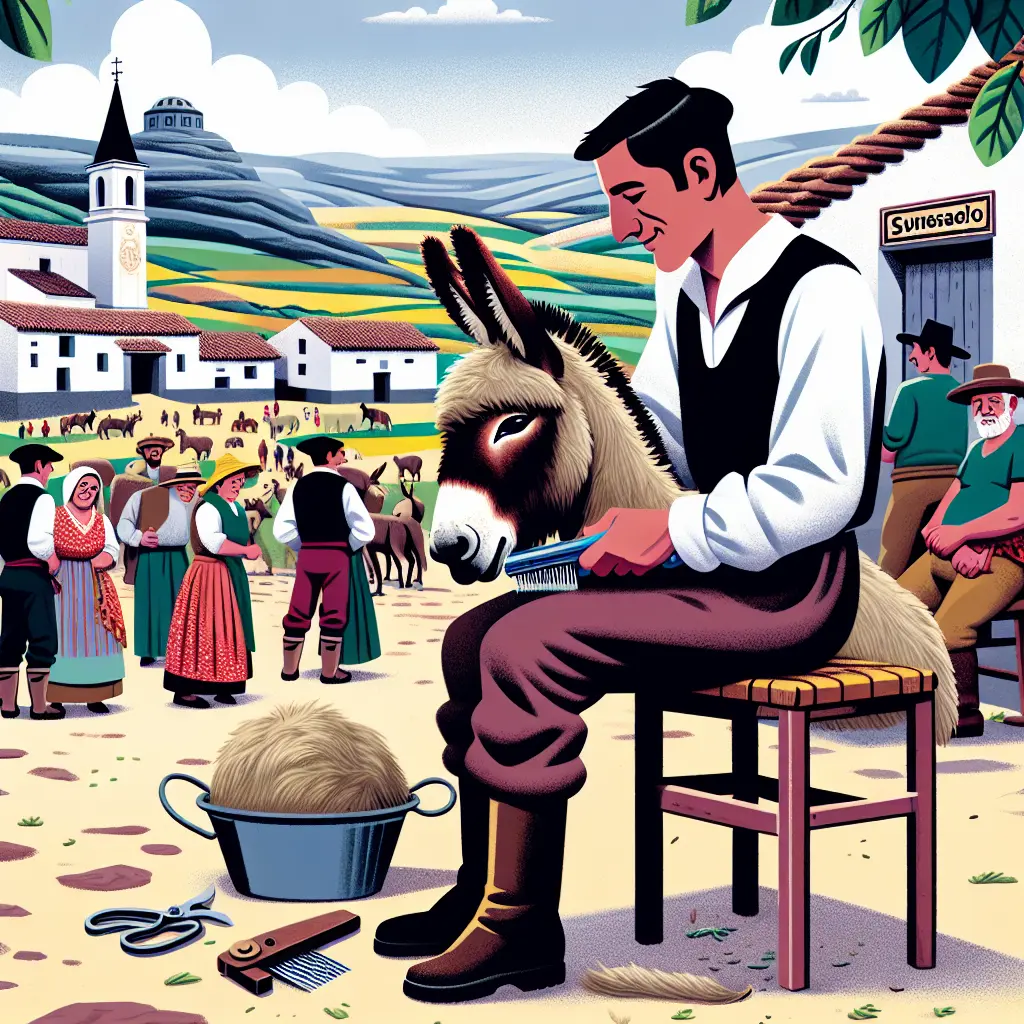
Over centuries, the techniques used in donkey shearing have evolved, incorporating both traditional knowledge and modern innovations. While hand shears retain emotional and historical importance, clippers and other tools adapted for donkey use are becoming more prevalent, making the process both safer and more efficient.
Conclusion
The ancient art of donkey shearing in Spain is a remarkable intersection of practicality and culture. Understanding and appreciating this practice not only honors a long-standing tradition but also encourages sustainable and humane approaches to animal care. As Spain continues to champion its rural heritage, the role of donkey shearing will remain a vital component of its rich tapestry.
Explore Modern Equestrian Essentials
For those inspired by traditional practices and looking to explore modern equestrian equipment, why not browse our selected collections of jodhpurs, horse riding boots, and horse riding gloves to complement your passion for horse and donkey care.