

The Ultimate Guide to Choosing the Perfect Tail Brush for Your Needs
Welcome to your all-in-one guide for selecting the ideal tail brush for grooming, whether your focus is on horses, show animals, or simply ensuring optimal coat health for your four-legged friend. Choosing the right tail brush is not just about looks—it’s about comfort, hair health, and overall well-being. Here, you’ll find expert-backed advice, practical tips, and detailed recommendations to help you make an informed decision.
Why the Right Tail Brush Matters
A high-quality tail brush is essential for maintaining a healthy, shiny mane and tail. The right brush detangles hair gently, minimizes breakage, and promotes healthy hair growth by allowing air to circulate freely around the hair follicles. For show animals or horses, a well-groomed tail can make a significant difference in appearance and overall impression. Even for everyday grooming, the wrong brush can lead to hair loss, irritation, and discomfort.
Types of Brushes and Their Uses
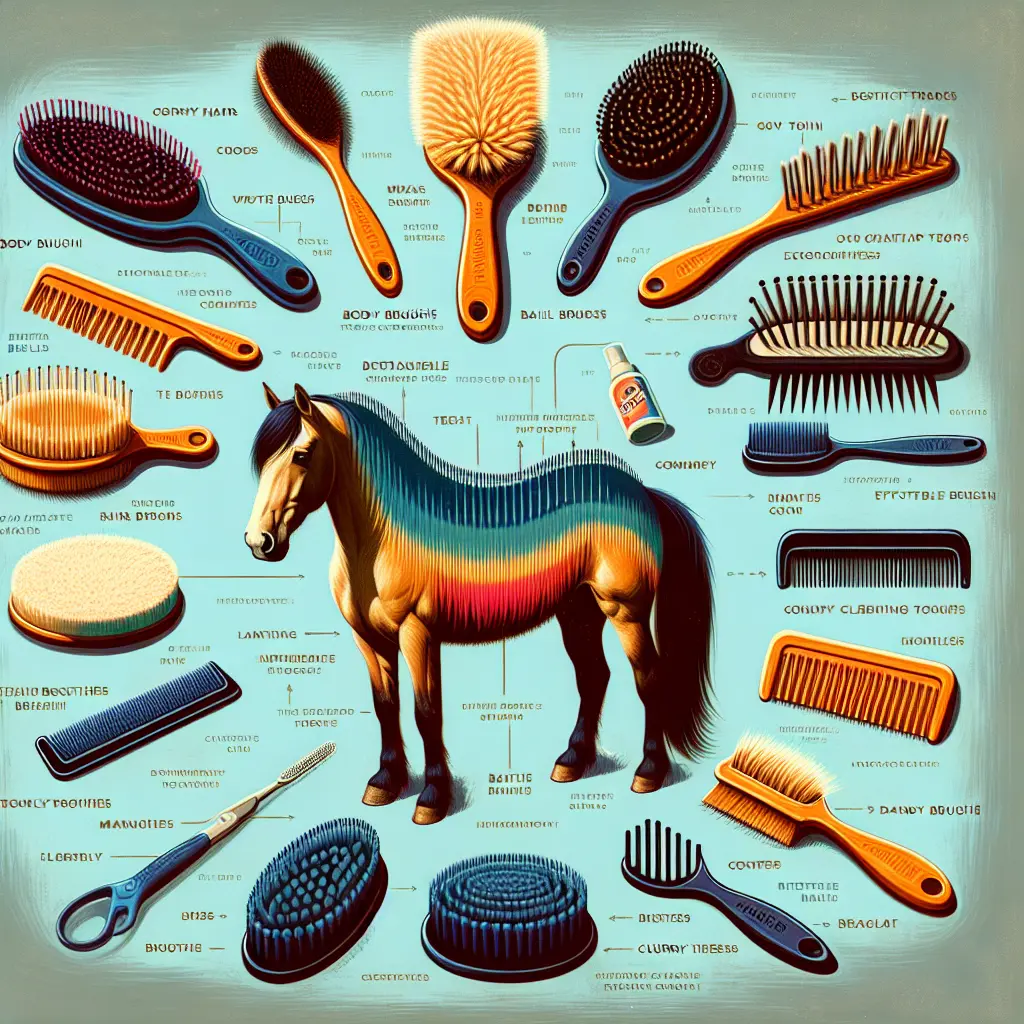
When shopping for a tail brush, you’ll encounter several main types:
- Mane and Tail Brushes: Specifically designed to detangle long, coarse hair without causing damage. These brushes often have wide-spaced, flexible teeth that gently work through knots.
- Body Brushes: Used for the main coat and sometimes for the tail, but not as gentle as specialized mane and tail brushes.
- Curry Combs: Best for loosening dirt and hair from the body, not suitable for the tail as they can be too harsh.
- Dandy Brushes: Ideal for removing excess dirt and debris but not meant for delicate hair like the tail.
Key Point: Always use a brush specifically designed for the mane and tail to avoid hair breakage and discomfort.
Features to Look For in a Tail Brush
Choosing the right brush involves more than just picking the first one you see. Here’s what to consider:
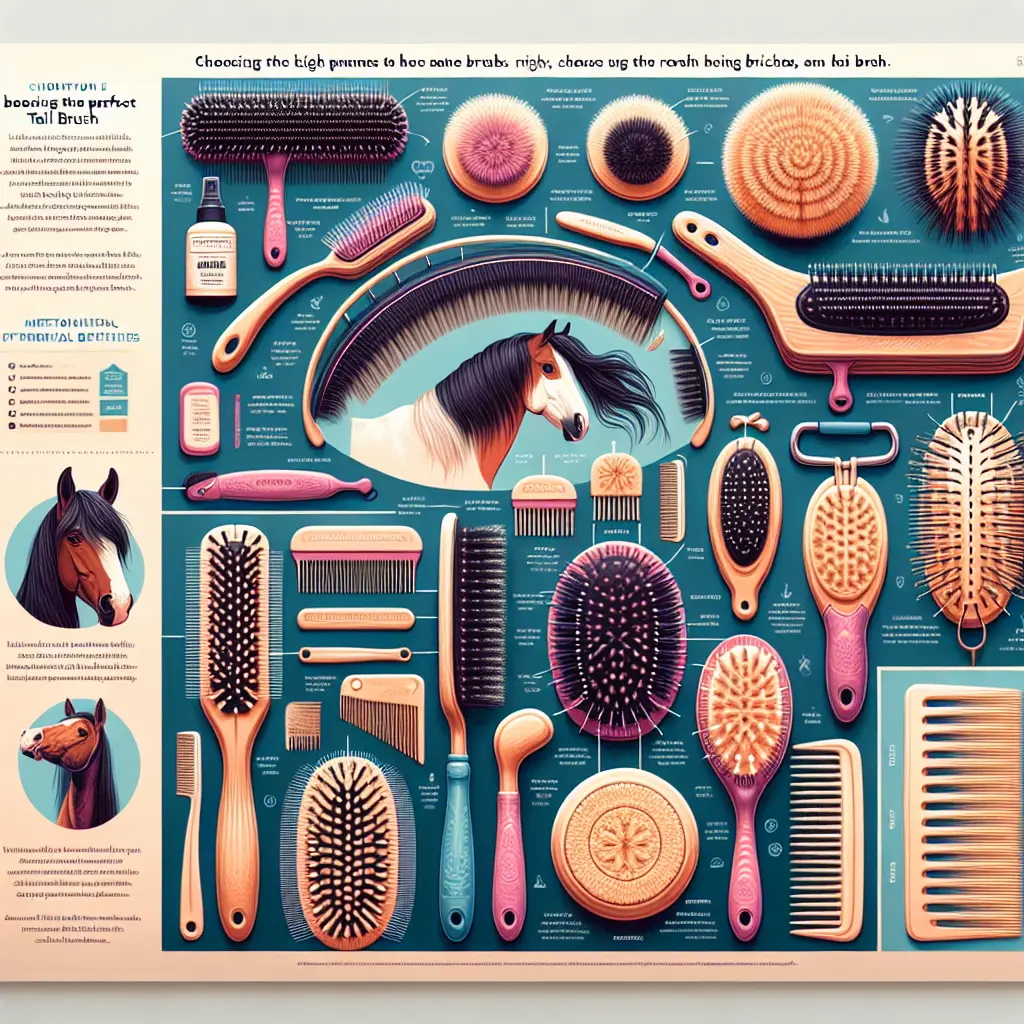
- Material: Plastic combs are generally gentler than metal combs, which can pull or break hair. Avoid brushes with seams between the teeth to prevent hair slicing.
- Teeth/Bristles: Look for wide-spaced, flexible teeth. These are gentler and less likely to cause breakage. Stiff bristles or closely spaced teeth can make detangling difficult and may lead to hair loss.
- Handle/Design: A comfortable handle allows for better control and reduces hand fatigue during grooming sessions.
- Ease of Cleaning: Brushes that are easy to clean will last longer and prevent dirt buildup, which could irritate the animal’s skin.
How to Use a Tail Brush Effectively
Using a tail brush effectively involves more than just running it through the hair:
- Start from the Bottom: Always begin detangling at the ends of the hair and work your way up to the roots to minimize breakage.
- Use Detangler if Needed: For stubborn knots, a detangling spray can make the process easier and safer for the hair.
- Be Gentle: Use slow, deliberate motions. Rushing can cause unnecessary hair loss and discomfort for your animal.
- Regular Maintenance: Clean your brush regularly to ensure it stays effective and hygienic.
Common Mistakes to Avoid
Avoid these common mistakes to ensure your grooming sessions are beneficial rather than detrimental:
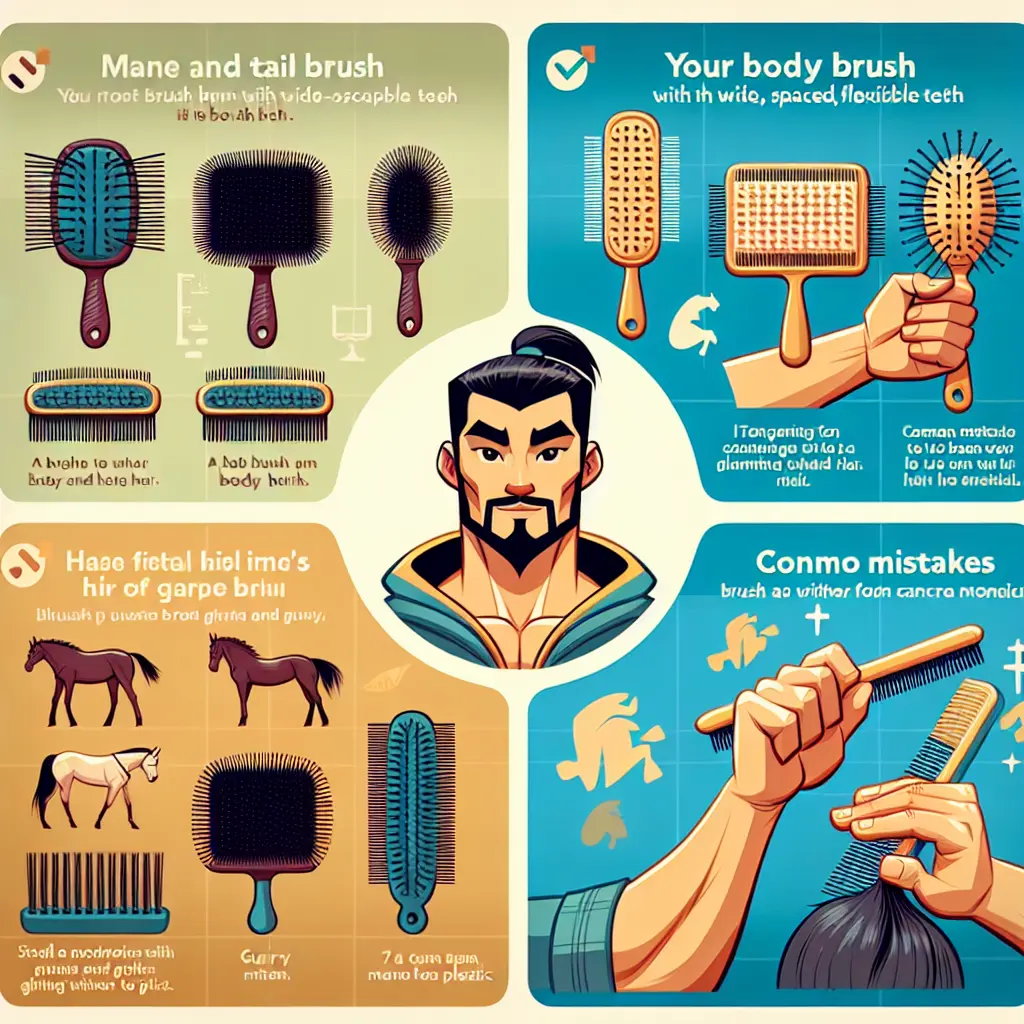
- Using the Wrong Brush: Body brushes, curry combs, or harsh metal combs are not appropriate for tails and can cause significant damage.
- Brushing Wet Hair: Wet hair is more vulnerable to breakage. Wait until the tail is dry or nearly dry before brushing.
- Being Too Rough: Aggressive brushing can lead to hair loss, split ends, and discomfort.
- Neglecting Brush Maintenance: Dirty brushes can irritate the skin and spread dirt or bacteria.
Expert Recommendations and User Experiences
Many experienced groomers recommend brushes with flexible plastic teeth and wide spacing for mane and tail grooming. For instance, the Wahl mane and tail brush is a popular choice among horse owners for its gentle action and effectiveness. However, some users seek even gentler options, highlighting the importance of brush quality and design in minimizing breakage, even with correct technique.
Facts and Figures for Credibility
Understanding the numbers can help reinforce why investing in the right brush is crucial:
- Damage Reduction: Using a brush with wide-spaced, flexible teeth can reduce hair breakage by up to 50% compared to metal or closely spaced brushes.
- Market Trends: According to expert guides, over 70% of horse owners prefer plastic mane and tail brushes for their gentle action and durability.
- Health Benefits: Proper grooming with the correct brush can improve hair health, reduce skin irritation, and promote better airflow to hair follicles, leading to stronger, shinier hair.
Conclusion
Choosing the perfect tail brush is a critical decision for any animal owner or groomer. By selecting a brush with flexible, wide-spaced plastic teeth and a comfortable handle, you can ensure gentle, effective grooming that keeps tails healthy and beautiful. Remember to clean your brush regularly, use it with care, and avoid common grooming mistakes to maximize its benefits.
For more in-depth guidance on grooming and brush selection, check out these authoritative resources:
- Schneider’s Blog: The Ultimate Guide to Horse Brushes – Comprehensive overview of brush types and grooming best practices.
- Kawell USA Blog: Top Horse Brush Essentials – Detailed explanations of essential brushes and their specific uses.
- YouTube: The Horses Stable – Best Types of Brushes for Tails – Visual guide and practical tips for grooming tails.
Happy grooming! Your animal’s tail—and their well-being—will thank you.