

Welcoming a New Journey with Winston: Insights Into Choosing the Right Horse for Retirement and Starting Anew
Choosing the right horse for retirement is both a deeply personal and practical decision, marked by compassion, experience, and a forward-looking vision. As we welcome Winston—a horse embarking on this new chapter—we reflect on the essential considerations for selecting a horse for retirement, ensuring their golden years are healthy, comfortable, and fulfilling.
Understanding When to Retire a Horse
Unlike humans, horses don’t have a fixed retirement age. Research shows that most horses retire between 15 and 24 years of age, with approximately 61% falling in this range. However, retirement decisions depend less on chronological age and more on the horse’s physical condition and workload capacity. For example, some horses remain active well into their twenties, while others require retirement earlier due to health challenges such as lameness or musculoskeletal issues.

Veterinarians emphasize that the most important factor in retirement timing is the horse's functional soundness rather than age alone. They suggest watching for signs of struggle or discomfort during daily activities and adjusting care accordingly. For Winston, understanding his physical condition and temperament will help guide the timing and nature of his retirement life.
Why Retirement Matters: The Risks and Benefits
Retiring a horse is not merely ending their active career but entering a phase focused on well-being and quality of life. Horses often retire due to health risks like injuries and chronic conditions caused by wear and tear, which can accumulate over years of training or competition. Retirement allows these animals to recover and enjoy less physically demanding activities or simply peaceful pasturing.
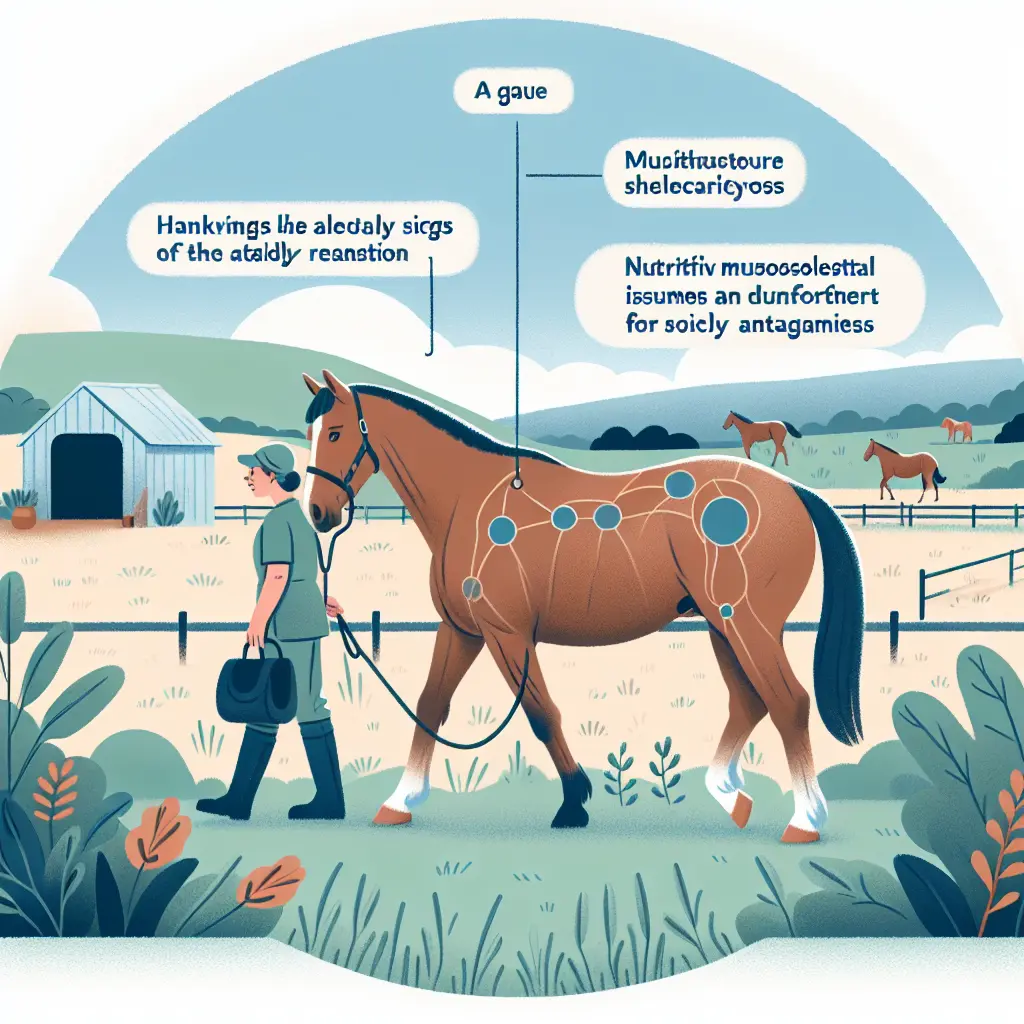
Data indicates that horses over 15 years old are increasingly being kept in semi-retired roles—still engaging in light exercise or pleasure riding—instead of full retirement. This trend reflects a nuanced retirement approach that balances health needs with mental and social stimulation.
How to Choose the Right Horse for Retirement
When selecting a retired horse like Winston, several key factors should shape the decision:
- Age and Health Status: While age gives a general frame, a veterinary assessment is crucial. Look for horses without serious chronic pain or mobility limitations.
- Temperament and Personality: Horses that are calm, social, and adaptable tend to thrive in retirement environments, especially if they will transition to new homes or programs.
- Previous Experience and Use: Previous careers, whether in riding, competition, or therapy, impact how a horse adapts to retirement. Experienced horses may enjoy gentle activities or second careers such as equine-assisted therapy.
- Longevity and Care Needs: Horses can live into their late twenties or early thirties. Selecting a horse with a good maintenance history and manageable care requirements is essential to ensuring a smooth retirement.
Starting Anew: Care and Quality of Life in Retirement
Retirement is a fresh start, not just an end. Providing Winston with a supportive environment tailored to aging needs will be critical to his happiness. This includes:
- Appropriate Nutrition: Older horses often require diets adjusted for easy digestion and joint health.
- Regular Health Monitoring: Routine veterinary care to manage arthritis, dental health, and weight.
- Comfortable Shelter and Pasture: Ensuring easy access to shelter and soft footing helps prevent injuries and stress.
- Mental and Social Engagement: Companionship and mild exercise maintain cognitive function and emotional well-being.
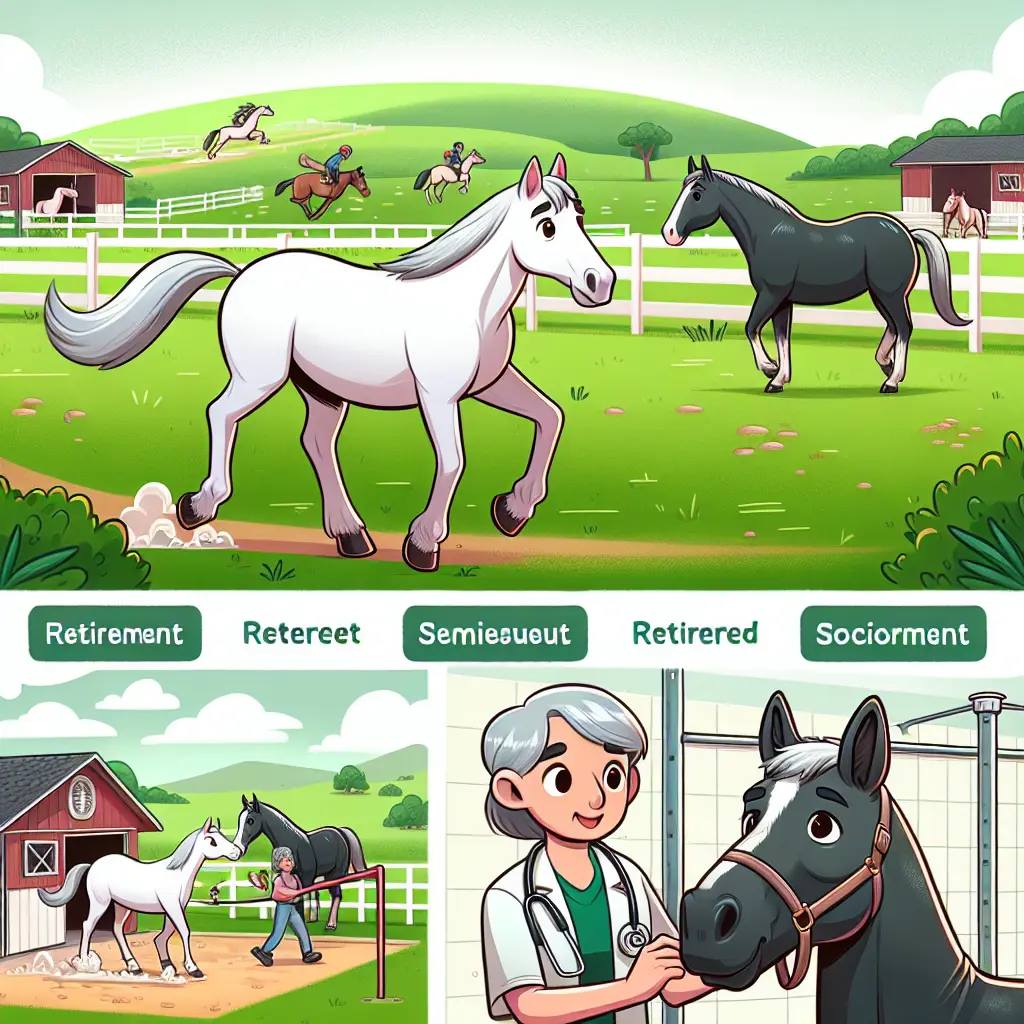
Investing in Winston’s retirement care enhances his longevity and enriches his quality of life, reflecting our respect and gratitude for the years he has given.
Statistical Insights Enhance Decision-Making
The fact that many horses remain active in some capacity into their late teens and early twenties underscores the importance of personalized retirement decisions. Additionally, the average horse racing peak occurs much earlier, around 4.5 years, showing the contrast in active career length and post-career life. Recognizing these patterns helps owners anticipate needs and plan transitions effectively.
Conclusion
By embracing Winston’s new journey, we celebrate the thoughtful stewardship required to choose the right horse for retirement and offer them a fulfilling next chapter. Our commitment to evidence-based care and compassionate understanding ensures that retirement is a time of dignity, comfort, and joy.
Explore Our Collections
As you plan your equestrian journey, explore Just Horse Riders' collections including the Jodhpur Collection, Horse Riding Boots, Gloves, Riding Socks, and more. Don’t forget our Horse Treats and Gifts for those cherished moments.
For horse care essentials, check out our Everyday Horse Vitamins & Supplements, Stable Rugs, Turnout Rugs, and Horse Fly Protection.