

Delving into the Rising Costs of Castrating Colts: A Justifiable Investment?
 Castration of colts is a common procedure undertaken by horse owners to manage behavior and improve safety. However, the rising costs associated with this process often leave many pondering its true value. This article delves into the reasons behind the price hikes and offers insights for horse owners at Just Horse Riders considering this investment.
Understanding Castration Costs
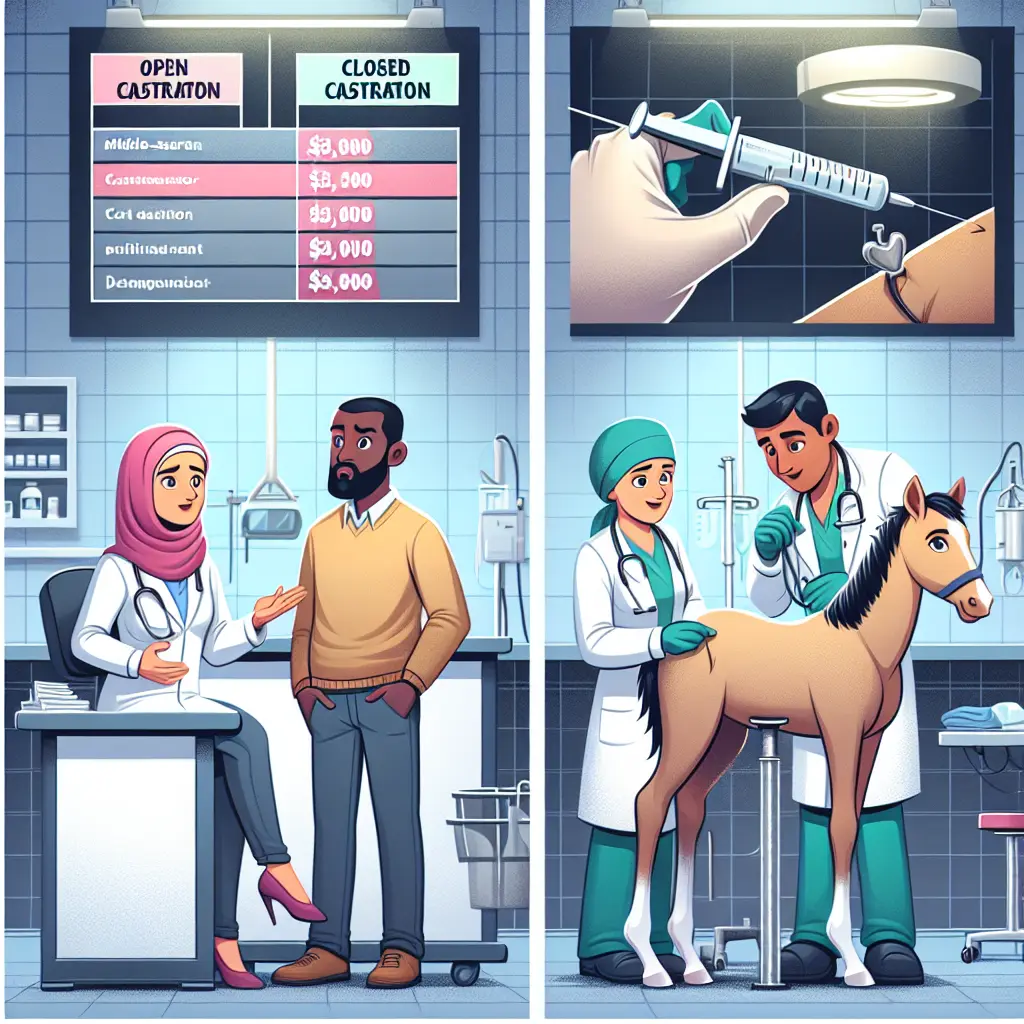
The cost of castrating colts has risen significantly in recent years, with prices ranging from $300 to $350 for routine procedures. For more complex scenarios, like cryptorchidism, expenses can soar from $1,300 to $3,400 depending on the surgical challenge involved[1]. One might wonder why these procedures carry such hefty fees.
Factors Influencing Cost
Veterinary Expertise and Methods
The surgical approach and the experience of the veterinarian play a crucial role in determining costs. Procedures employing general anesthesia in a sterile hospital environment, although pricey, ensure minimized complications, promoting better outcomes for the horse[2]. Discussing available options with a trusted veterinarian can clarify costs and potential benefits.
Risks and Complications
Certain breeds, such as Tennessee Walking Horses, have increased risks associated with postoperative complications, affecting the overall cost of care [3]. By investing in quality veterinary services, horse owners can mitigate these risks effectively and ensure long-term health benefits.
Surgical Methods
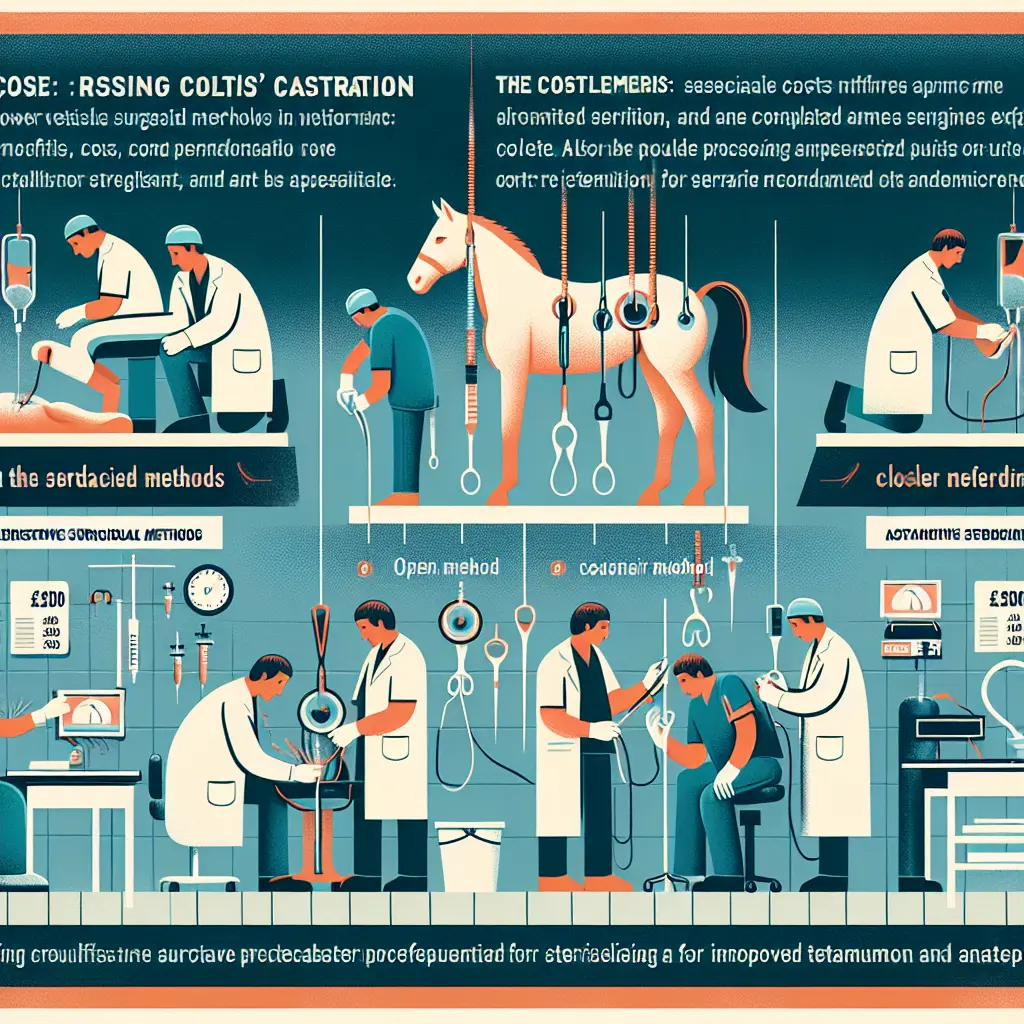
Different methods of castration include the open and closed techniques. While the open method is more common and cost-effective, the closed method reduces the risk of complications such as herniation in larger stallions[5]. Investing in the right technique is crucial for enhancing the horse's wellbeing.
Economic Perspective
The escalating cost of procedures must be seen within the context of modern animal welfare standards. Enhanced anesthesia and surgical techniques ensure improved care and faster recovery, justifying the additional expense. The investment can result in fewer costs over time by preventing emergencies and long-term health issues.
Promoting Animal Welfare
Combining modern technology with traditional veterinary practice, today's procedures prioritize animal welfare and stress minimization. These improvements drive up the costs but offer excellent returns in terms of the horse's behavior and safety, making investment in advanced procedures worthwhile[5].
User Experiences: Success Stories
Feedback from horse owners often praises the long-term benefits of these advanced procedures. Many report improved temperaments and fewer behavioral issues post-castration, emphasizing the procedure as a valuable expense.

Practical Considerations for Horse Owners
Responsible horse ownership involves weighing initial costs against long-term benefits and risks. Tailored advice from reputable equine clinics, paired with quality equipment from Just Horse Riders, can guide decisions that enhance your horse’s vitality and peace of mind for owners.
Beyond Castration: Holistic Care
Consider incorporating comprehensive care measures alongside castration. Products ranging from proper equipment to treats and gifts can ensure overall well-being. Balancing these needs with castration costs reflects a holistic approach to equine health management.
Conclusion
Although the costs of castrating colts might seem high, understanding their necessity and benefits paints a different picture. Prioritizing welfare and preventing complications justifies these expenditures. As a result, horse owners should rely on expert advice and trusted sources like Just Horse Riders for their equestrian needs, ensuring both peace of mind and the best for their beloved horses.