

The Pros and Cons of Using Brushing Boots for Your Cob Horse
Brushing boots are a popular piece of protective gear designed to shield a horse's lower legs from injuries that may occur when their legs brush or strike against each other. For cob horses, known for their sturdy build and use across various disciplines from riding to driving, the decision to use brushing boots involves evaluating several factors.
Introduction
In this article, we'll delve into the pros and cons of using brushing boots for cob horses. Understanding these advantages and potential drawbacks can help you make an informed decision tailored to your specific equine needs.
Pros of Using Brushing Boots for Cob Horses

Protection from Injuries
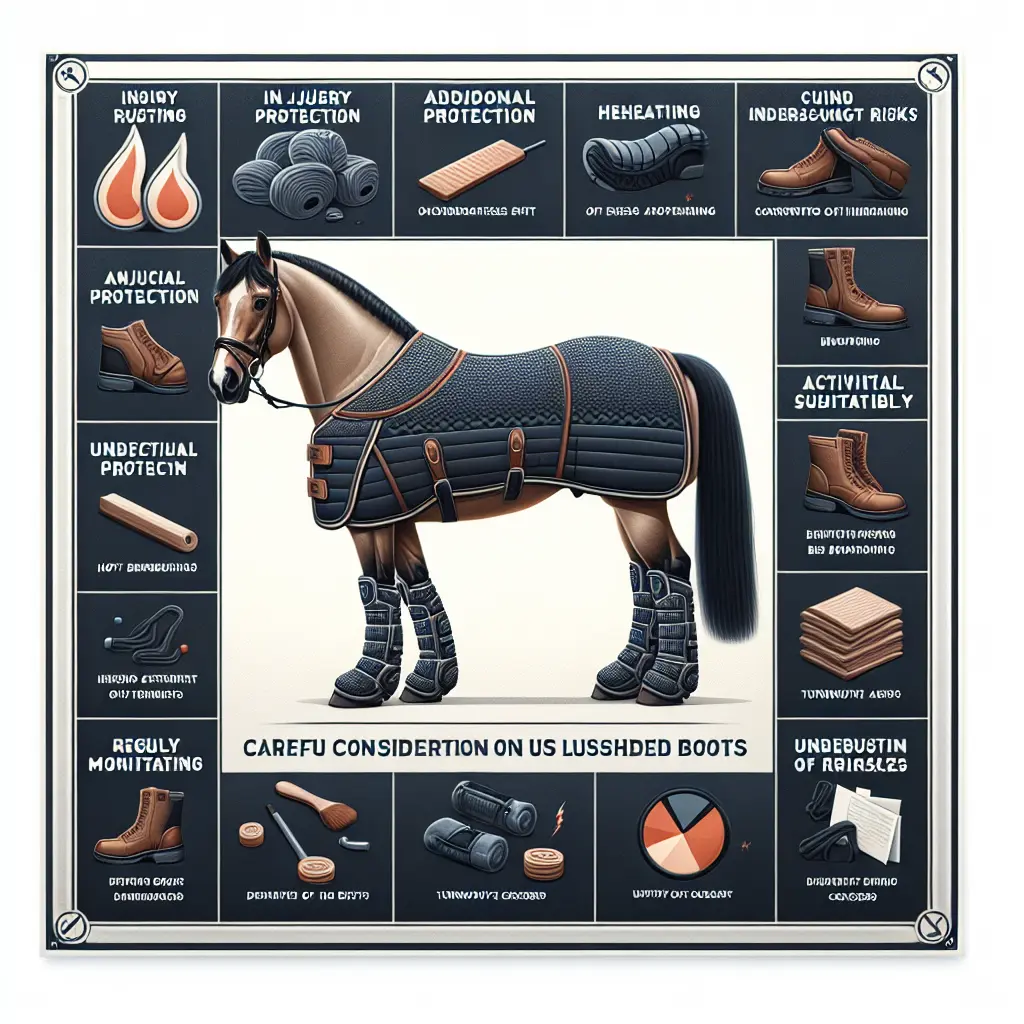
Brushing boots are designed to prevent cuts, bruises, and abrasions that occur when a horse's legs knock against each other. This is particularly beneficial during training, turnout, or trail riding, as it reduces the risk of severe injuries such as splints or tendon damage by providing a protective barrier.
Support for Tendons and Ligaments
A quality pair of brushing boots can offer additional support to tendons and ligaments, helping stabilize the leg during movement. This is especially important when performing specific equestrian activities that place added stress on a horse’s legs.
Versatility and Comfort
Most brushing boots are versatile enough to fit both front and hind legs, making them a practical choice for consistent protection. Additionally, modern designs prioritize comfort with padded linings and snug fits, minimizing the risk of rubbing during extended wear.
Durability and Easy Maintenance
Brushing boots are generally made from durable materials equipped with strong fasteners like velcro. They are designed to be long-lasting and easy to maintain, often machine washable with minimal special care needed.
Cons of Using Brushing Boots for Cob Horses
Risk of Rubbing and Skin Damage
Improperly fitted brushing boots or those worn for prolonged periods may cause rubs, pressure sores, or even exacerbate conditions like mud fever. This is particularly problematic if the boots become wet and are not removed in time.
Overheating of Legs
In warm weather, brushing boots can cause the horse’s legs to overheat. Increased sweating under the boots may lead to discomfort and elevate the risk of injuries, as overheated tendons and ligaments become more vulnerable during physical activity.

Boots Can Come Off
Some horses, particularly those that are playful or restless, may manage to remove their brushing boots while turned out. This can lead to lost equipment and the loss of protective benefits that the boots are meant to provide.
Potential for False Security
While brushing boots provide protection against brushing, they do not prevent all leg injuries. There is a potential for a false sense of security, where owners might underestimate other risks or critical management factors.
Not Always Recommended for Turnout
The use of brushing boots during turnout is a debated topic. Some experts recommend caution, as the boots can get snagged on fences or rough terrain, potentially causing injuries or getting pulled off.
Considerations Before Using Brushing Boots
Fit and Quality
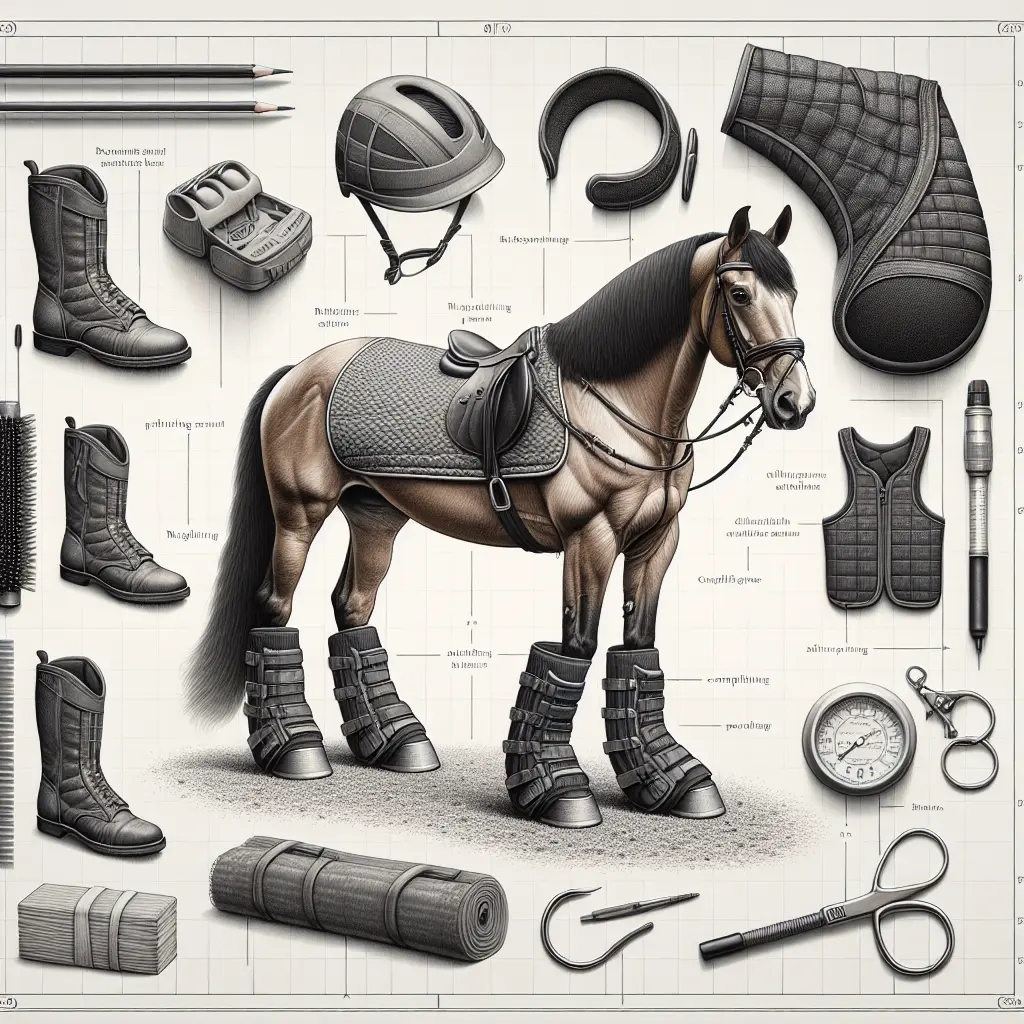
Ensuring the proper fit and quality of brushing boots is essential in avoiding rubbing and maximizing protection. Invest in well-designed boots with adjustable, secure closures for the best results.
Usage Context
Weigh the benefits against potential risks based on your horse's activities. Brushing boots are often more suited for controlled activities like training and competitions rather than for unrestricted turnout.
Monitor Your Horse
Regularly check your horse's legs for signs of rubbing, irritation, or heat build-up, especially after use in warm weather or extended wear.
Alternatives and Complements
Consider using other protective gear or making changes in management, like safer turnout environments, to mitigate injury risks without the potential downsides of constant boot use.
Conclusion
For cob horses, brushing boots can be an invaluable tool in preventing leg injuries during exercise and certain turnout situations. They provide support, comfort, and durability. However, attention to proper fit, weather conditions, and the horse’s behavior is crucial. By being aware of the potential downsides like rubbing, overheating, and the boots coming off, you can optimize the welfare and performance of your horse.
For more insights into the right choice of brushing boots, trusted resources such as BARE Equestrian's Carbon Brushing Boots offer modern designs focused on protection and comfort. Similarly, equine care guides underscore the importance of regular checks and cautious use during turnout to avert complications.
Utilize thoughtful attention to your cob horse's unique needs to ensure that the benefits of brushing boots are maximized, while minimizing potential risks.