

Coping with the Loss of a "Heart Horse": Navigating Grief and Finding Healing
Losing a "heart horse"—a beloved equine partner—is akin to losing a close friend or family member. Horses are not only majestic creatures; they are also intimate companions that fill unique roles in our lives. Their loss can leave both practical and emotional voids that are challenging to fill. This article delves into the depth of this bond, explores the grieving experiences of both humans and horses, and offers practical advice for finding healing.
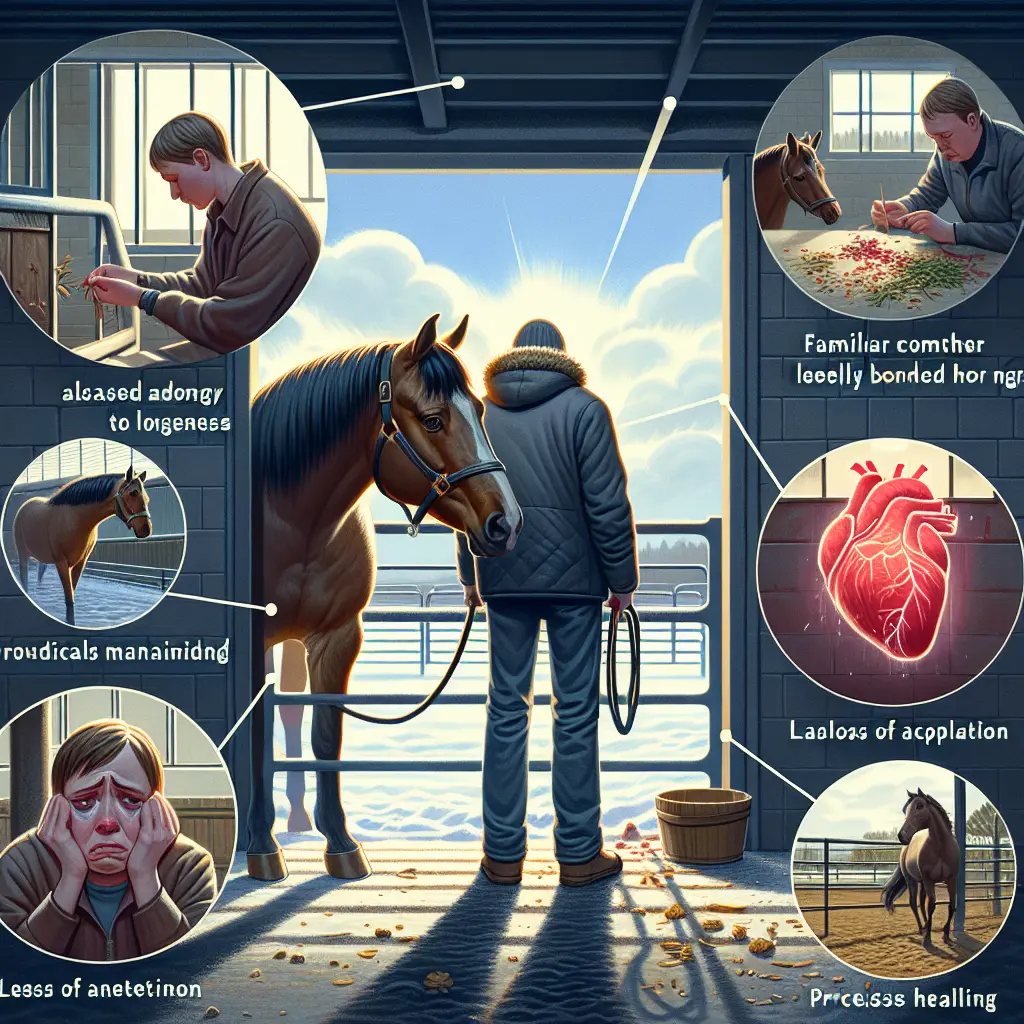
Understanding the Depth of the Bond
The term "heart horse" indicates a unique, deep emotional connection shared with a horse. This extraordinary bond transcends everyday tasks or riding; it represents a significant emotional relationship that can provide unrivaled comfort and joy. When such a horse passes, the grief felt can be profound, involving emotions like sadness, anger, and isolation.
Recognizing the Unique Grief
Grief over losing a "heart horse" is often dismissed by those who fail to appreciate the human-animal bond. This misunderstanding can further complicate grieving, leading to feelings of loneliness or dismissal. Remember, your bond was real, precious, and significant.
Do Horses Grieve Too?
Not only humans experience the deep sadness of losing a horse; other horses do, too. Equine behavior research and personal stories reveal that horses display signs of mourning when a herd mate or companion is lost.
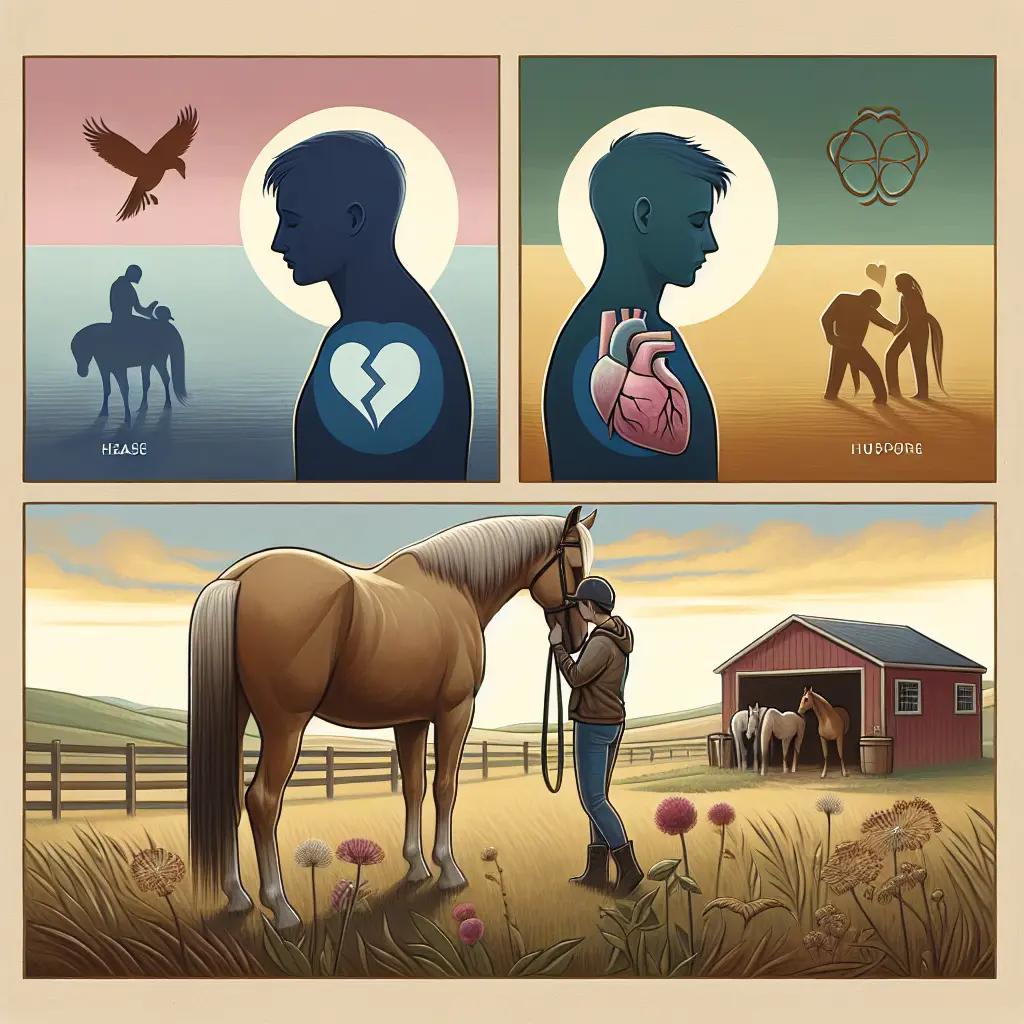
- Anxiety and vigilance: Horses tend to become restless, engaging in continuous neighing and pacing as if searching for the missing companion.
- Loss of appetite and lethargy: It’s common to see them lose interest in feeding and engaging in their daily activities.
- Social withdrawal and separation anxiety: They often appear disengaged or compensate by becoming exceptionally attached to their remaining herd members or their human caregivers.
One study in particular observed horses exhibiting prolonged distress after the loss of a foal, emphasizing the emotional complexity of their reactions [Prime Stables].
How to Support Yourself and Your Horse Through Grief
Supporting Your Emotional Healing
- Acknowledge Your Grief: Accept your own wide range of feelings as normal, and realize that grief is a process that ultimately leads to healing.
- Memorialize Your Horse: Creating rituals such as a photo album, planting a tree, or hosting a memorial can facilitate closure.
- Reach Out for Support: Engaging with friends, equestrian communities, or counselors specializing in grief can provide invaluable comfort.
- Allow Time: Healing isn't a linear journey; affording yourself the patience to grieve is crucial.
Experts suggest that grief related to animal loss can mirror the complexities of losing a human, especially when dealing with anticipatory grief [National Institutes of Health].
Caring for Your Remaining Horse(s)
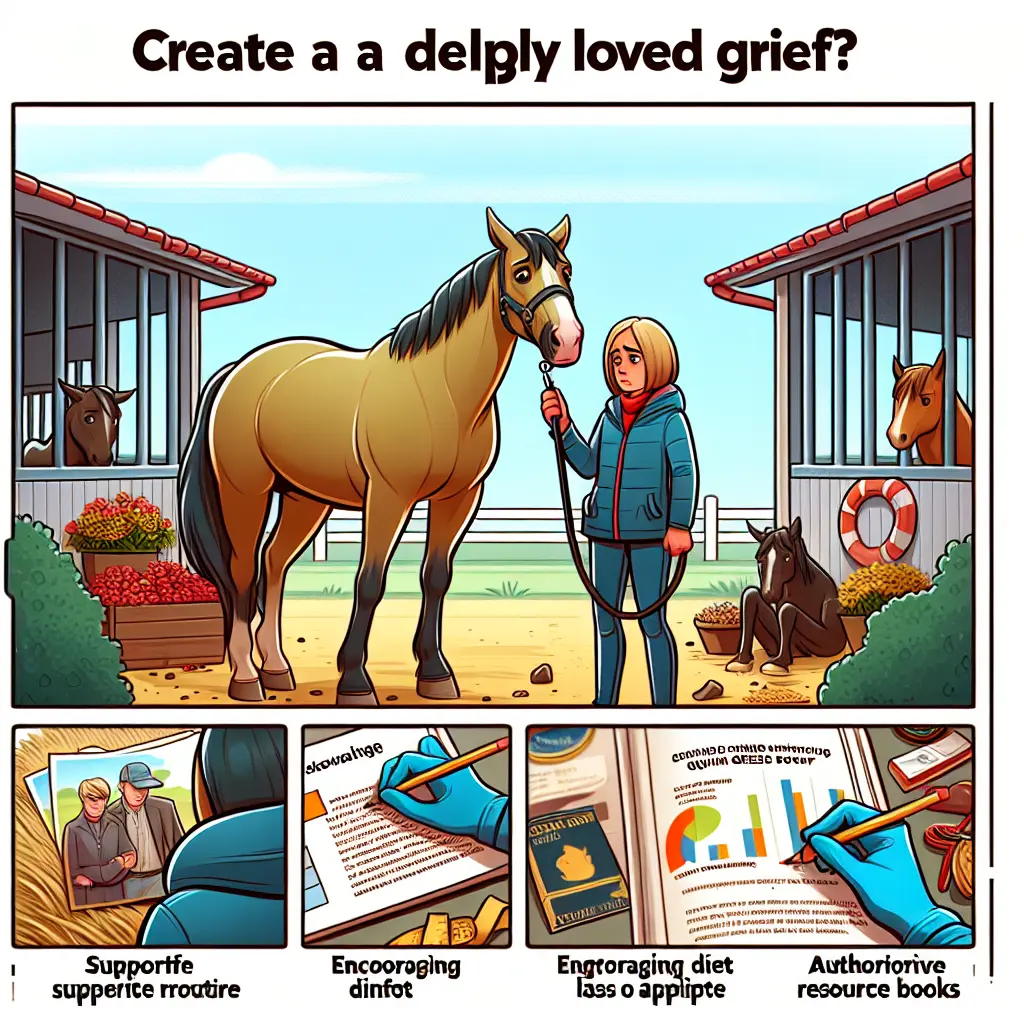
- Maintain Routine: Adhering to established feeding and turnout schedules provides stability critical for a grieving horse.
- Encourage Eating: Incorporating tasty food additions and joining them during meals can firstly relax and secondly maintain their nutritional health [Horses and Humans Research Foundation].
- Provide Social Companions: Horses thrive in herds; introducing a compatible companion can fulfill their need for social interaction.
- Gentle Physical Contact: Affirm your presence by grooming and petting, reinforcing comfort and social bonds.
- Monitor Health: Ensure veterinary oversight if the grieving horse shows extended signs of distress or decline.
Moving beyond grief often involves reinforcing old bonds and developing new ones. Find the right stable rugs or turnout rugs for the change in seasons to ensure your horse stays comfortable during periods of adjustment.
Facts and Figures About Equine Grief
Understanding horses' grief can help manage it effectively:
- Equine studies confirm that horses, prevalent as social herd animals, require companionship for mental health [Equus Magazine].
- The behavioral changes manifesting within herds post-loss, such as decreased food intake and new social interactions, are statistically measurable.
- In arranged environments, the separation or passing of a herd member results in observable behavioral shifts, like reduced appetite and altered social engagement [Equus Magazine].
Final Thoughts
The loss of a "heart horse" is a significant event that marks the end of an incomparable relationship. Both you and the remaining horses can experience grief. Encapsulating this shared emotional journey is critical for healing. With compassionate support, the passage of time, and reflections honoring the bond, one can navigate through sorrow toward acceptance and peace.
For more insights and resources about equine mourning and care, consider following these links: Horses and Humans Research Foundation, Equus Magazine, and Prime Stables.