

Helping Horses Adjust to Grazing Muzzles: A Comprehensive Guide
Introducing a grazing muzzle to your horse can be a daunting task. However, with the right approach, you can make the transition smooth, ensuring your horse remains comfortable and healthy. Grazing muzzles are crucial tools for controlling grass intake, helping manage weight, and reducing the risk of conditions like laminitis, which is linked to overeating rich grass [source].
Here’s a comprehensive guide filled with practical tips and reliable insights to help your horse adjust confidently to wearing a grazing muzzle.
Understanding Grazing Muzzles and Their Purpose
Grazing muzzles are designed with sturdy plastic or fabric and fit over the horse’s muzzle, allowing only limited grass intake. They enable horses to graze naturally while preventing overeating. The proper fit and introduction of the muzzle are critical for effectiveness and the horse’s welfare [source].
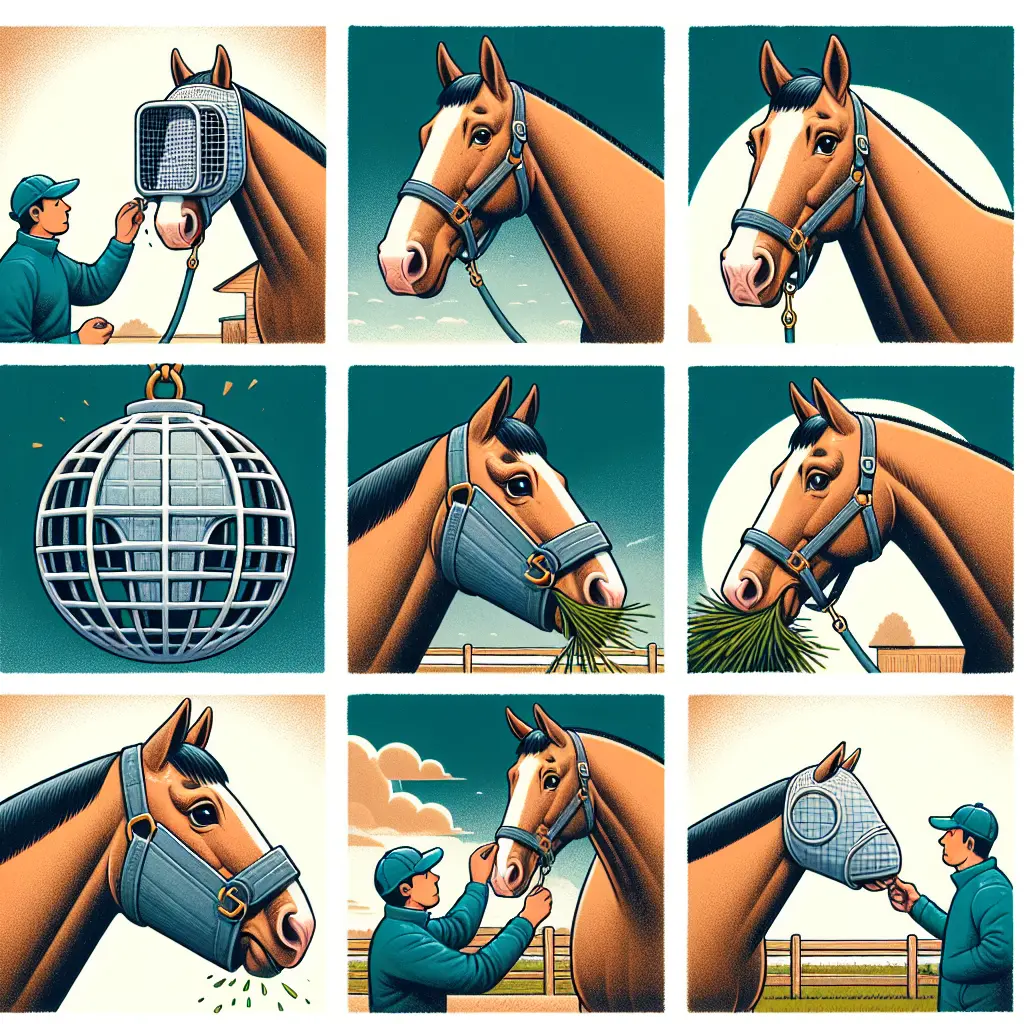
Step 1: Choosing and Correctly Fitting the Grazing Muzzle
The foundation of comfort and safety lies in an optimal fit. Here’s how to fit a grazing muzzle correctly:
- Hold the muzzle over the horse’s nose with the logo forward.
- Make sure there is about 3 fingers (or approximately 1 inch) of space between the horse’s nose and the front of the muzzle to avoid tightness.
- The muzzle basket should sit parallel to the lips, leaving about a 1/2 inch gap for chewing and movement.
- Attach the muzzle securely to a halter, adjusting the straps for snug comfort.
Adjust the straps according to the manufacturer’s sizing guide. For example, GreenGuard provides specific recommendations for various strap positions based on horse size.
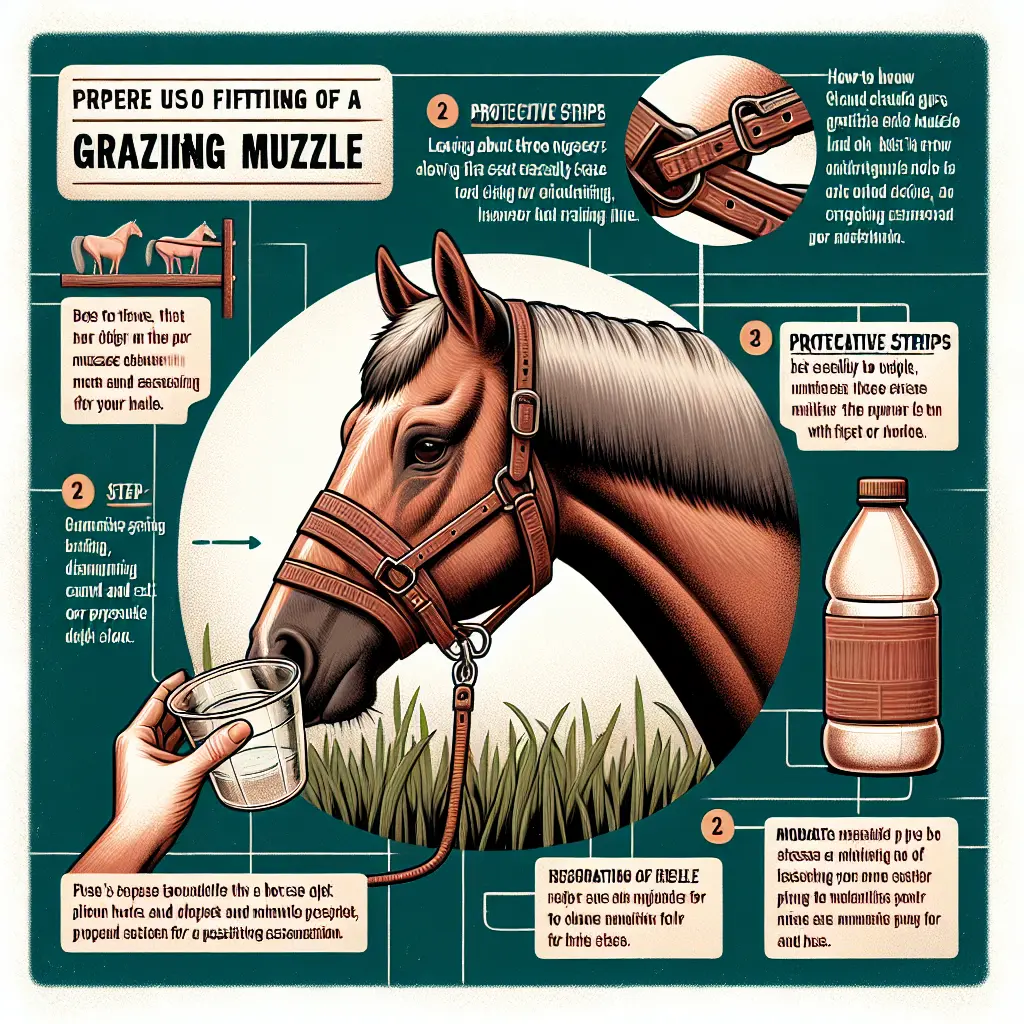
Step 2: Introducing the Grazing Muzzle Gradually
Since wearing a muzzle alters how horses graze, a gradual introduction is essential:
- Start with short periods of wearing the muzzle in a controlled environment, preferably on grass about 2-3 inches long.
- Employ hand grazing or turnout in small paddocks for close supervision.
- Show your horse how to eat by poking grass through the muzzle opening initially.
- Be patient, as some horses might struggle, especially if switching from traditional models [source].
Most horses learn to eat through the muzzle within a few days, even those with a reputation for finding ways around common obstacles.
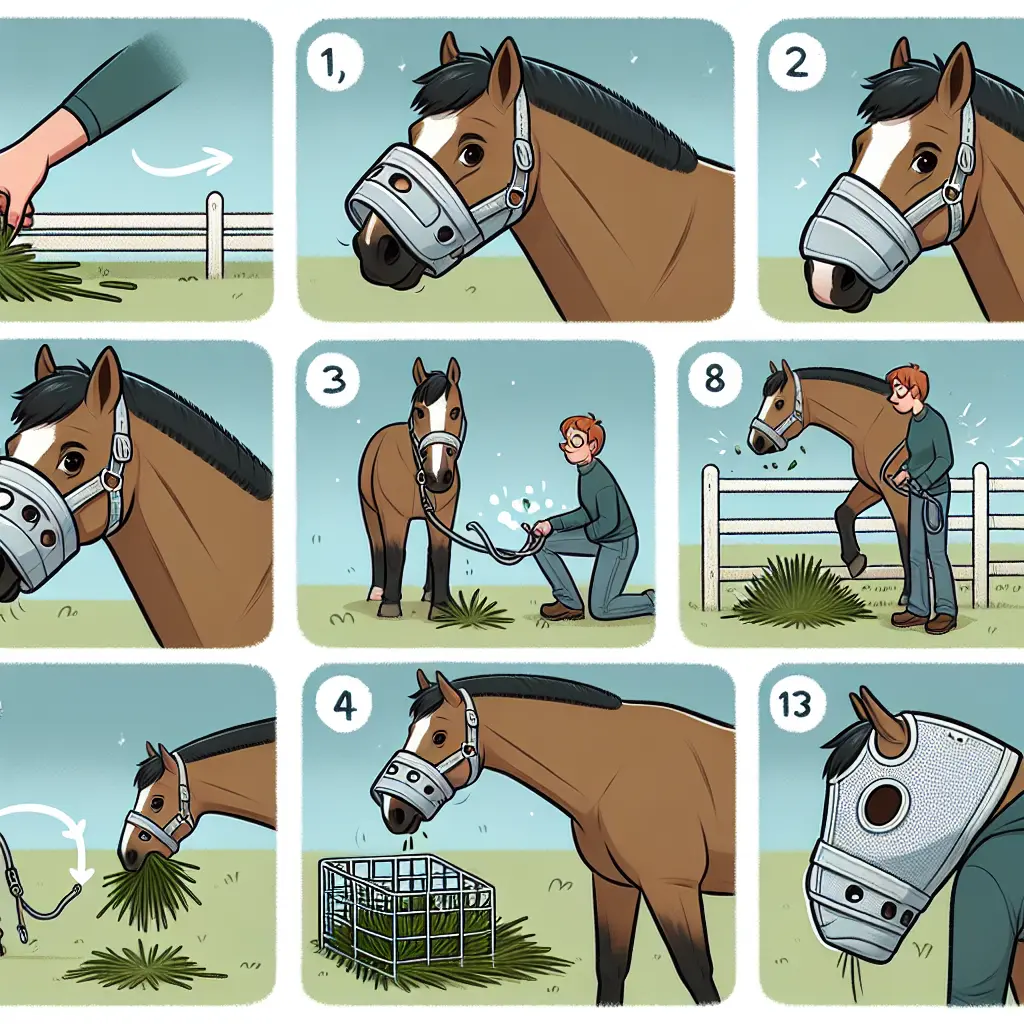
Step 3: Ensuring Comfort and Monitoring Behavior
Comfort is instrumental to acceptance:
- Look for signs of discomfort, such as rubbing or excessive head shaking.
- Use protective rub strips or adjust the fit to prevent liability irritations.
- Ensure the muzzle does not hinder drinking by observing eating habits.
- Provide at least two hours daily without the muzzle to allow for hydration and salt consumption [source].
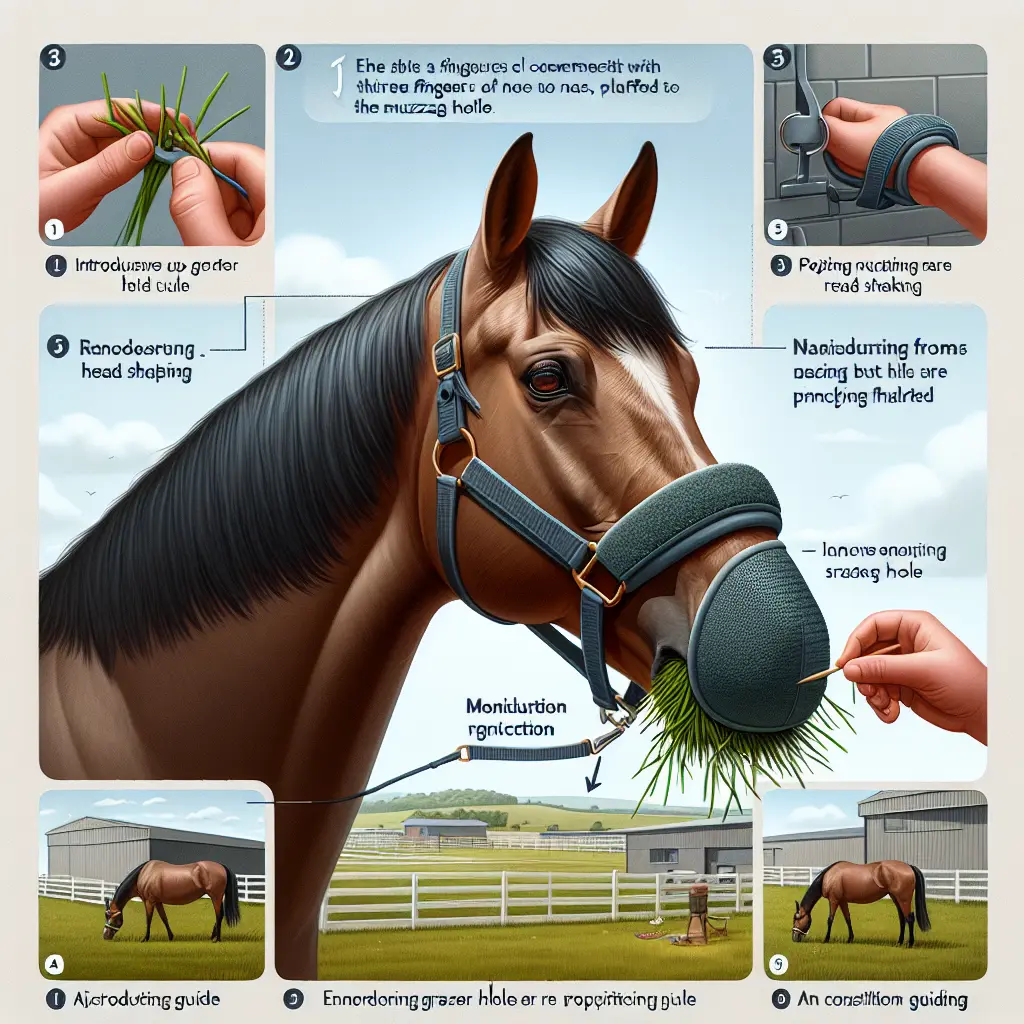
Step 4: Adjusting and Troubleshooting the Muzzle Fit
If your horse struggles:
- Ensure the muzzle is aligned, with holes or slots below the mouth.
- Enlarge the grazing hole if needed for easier access, or reposition the muzzle by adjusting the halter’s noseband.
- If habitual side grazing occurs, the muzzle might need resizing [source].
Most grazing muzzles include safety features like breakaway ties to prevent injuries during accidental entanglements, assuring both freedom and safety [source].
Additional Tips to Support Your Horse’s Adjustment
Transition success often depends on these small yet crucial practices:
- Ensure muzzle-wearing is part of a positive routine — use treats or gentle praise as rewards.
- Regularly check the muzzle and halter for wear and functionality.
- Consult fitting guides by leading manufacturers like GreenGuard for specific advice on size and adjustments.
- Remember, each horse adapts at their own pace — patience and kindness are pivotal.
Integrating Muzzles with Enjoyable Routines
Make muzzle time synonymous with fun by incorporating activities they love. Consider Jodhpurs and other attire to enhance comfort during outings. Routine plays a significant role in acceptance, and consistency is key.
Conclusion
By following these evidence-based guidelines, using a grazing muzzle can not only be a safety feature but also an integral part of your horse’s overall care and dietary management. Ensure you observe and communicate with your horse, offering them support and pleasure as they adjust to this new routine.
Visit the homepage of Just Horse Riders for more resources and products to make your horse’s transition seamless.