

Experiencing a horse that broncs during canter can be quite a challenge for both novices and seasoned riders. The root causes often lie in physical discomfort, balance issues, or training gaps. In this comprehensive guide, we explore the potential reasons why horses buck during canter, along with actionable solutions to resolve these issues. With patience and structured groundwork, you can turn a bumpy ride into a smooth and enjoyable experience for both you and your horse.
Understanding the Causes of Bucking During Canter
This section delves into the key reasons your horse might be bucking during canter, helping you identify underlying issues that require attention.
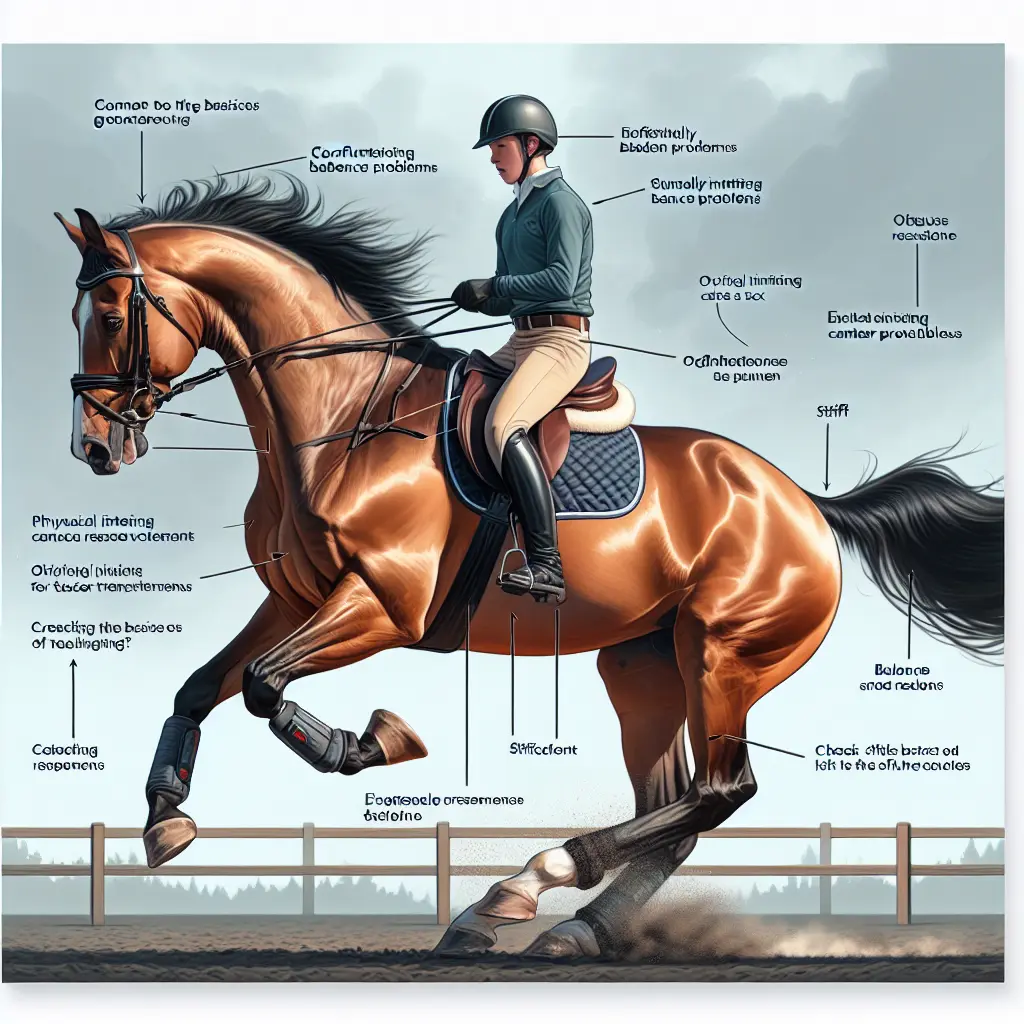
Physical Resistance and Muscle Tension
Horses often experience physical resistance and muscle tension, making it difficult to pick up a relaxed canter. This can be due to insufficient relaxation or discomfort in responding to leg aids. When a horse braces its neck, back, and barrel muscles, it may react defensively by bucking. To better understand this aspect, here’s an insightful collection of stable rugs that help in alleviating muscle discomfort [1].
Fear or Anxiety Related to Canter Transition
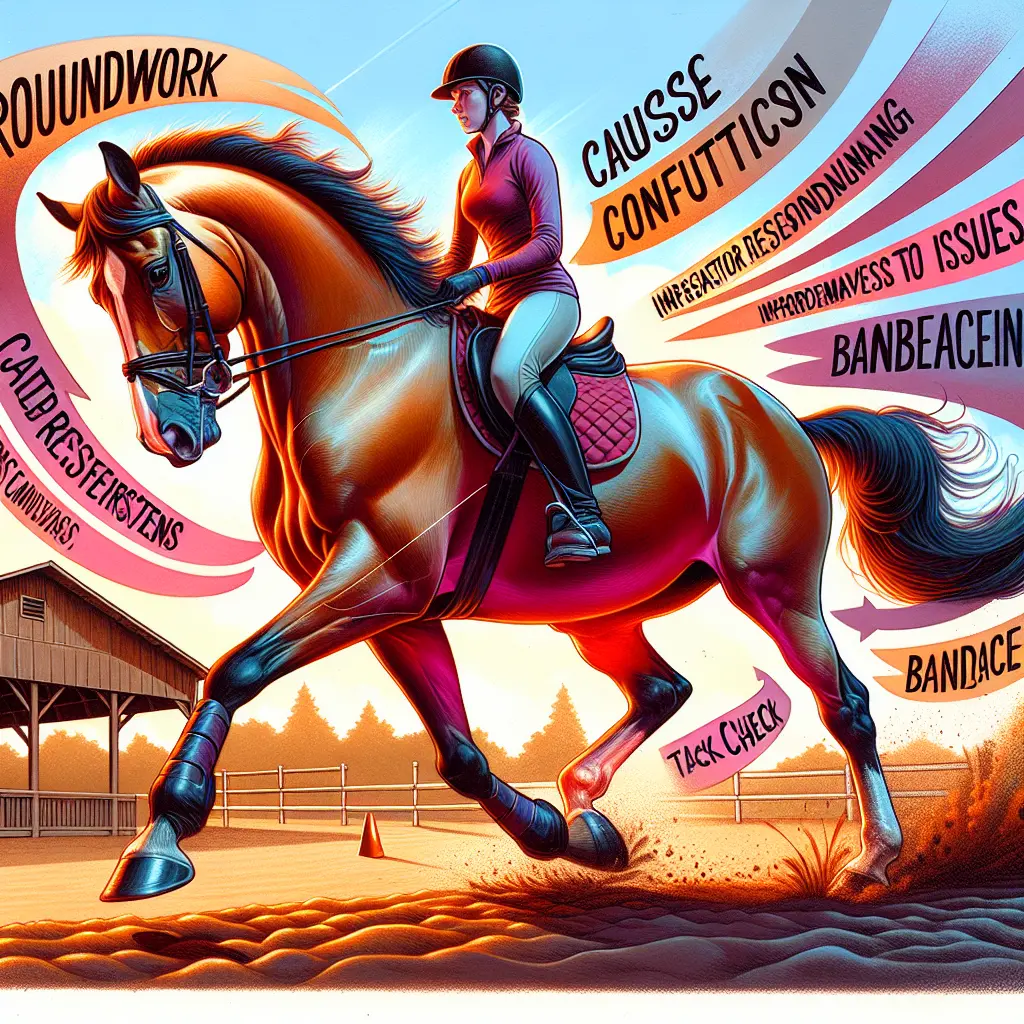
Anxiety can lead to fearful or anxious responses, such as bucking, during the canter transition. If cues are confusing or conflicting, horses may develop negative associations. Encouraging smooth and reassuring transitions is essential. Resources like the Everyday Horse Vitamins & Supplements assist in overall equine wellness [2].
Balance and Coordination Issues
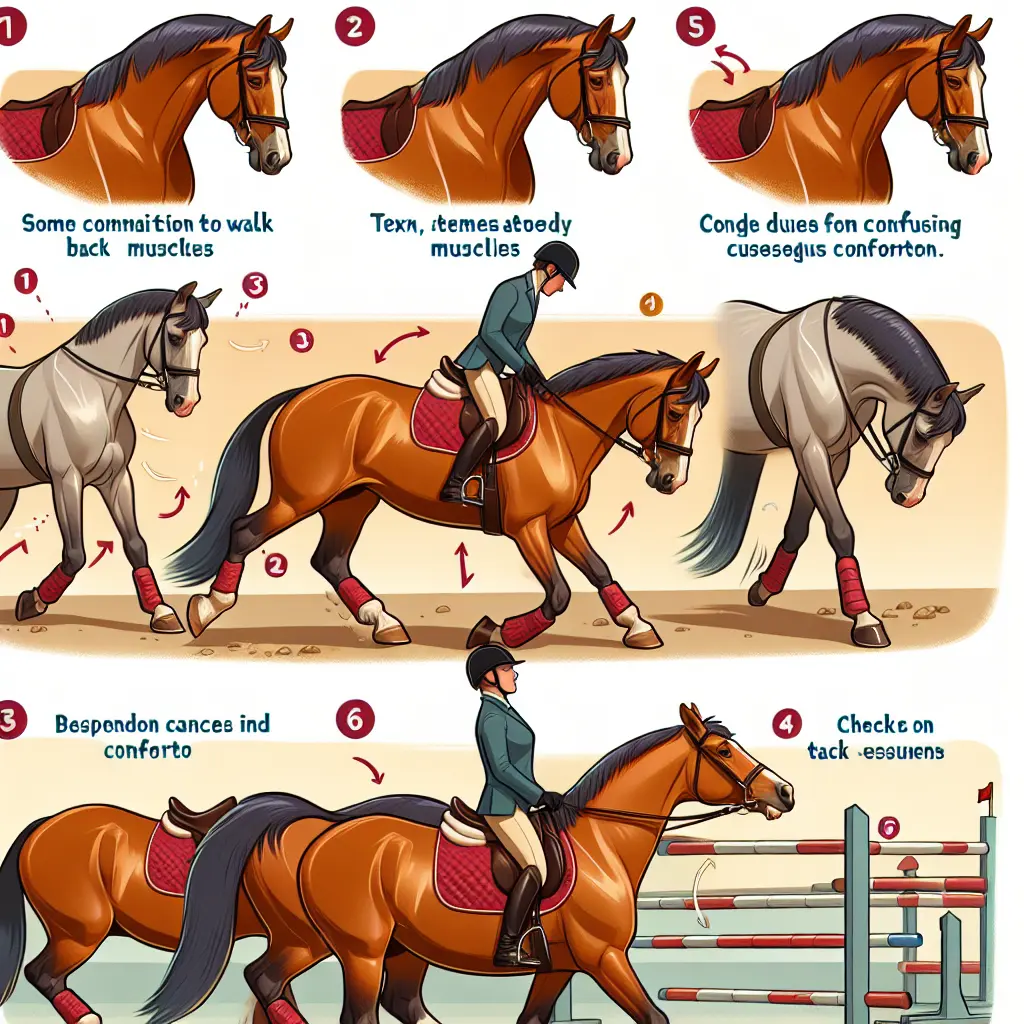
Unbalanced horses may buck to express discomfort or fear. Balance and coordination issues affect the horse’s ability to move safely at faster gaits like canter. Ensuring proper tack fit is crucial, as cinch pressure can change when a horse stretches into canter, causing discomfort [3].
Improper Bend or Resistance to Lateral Aids
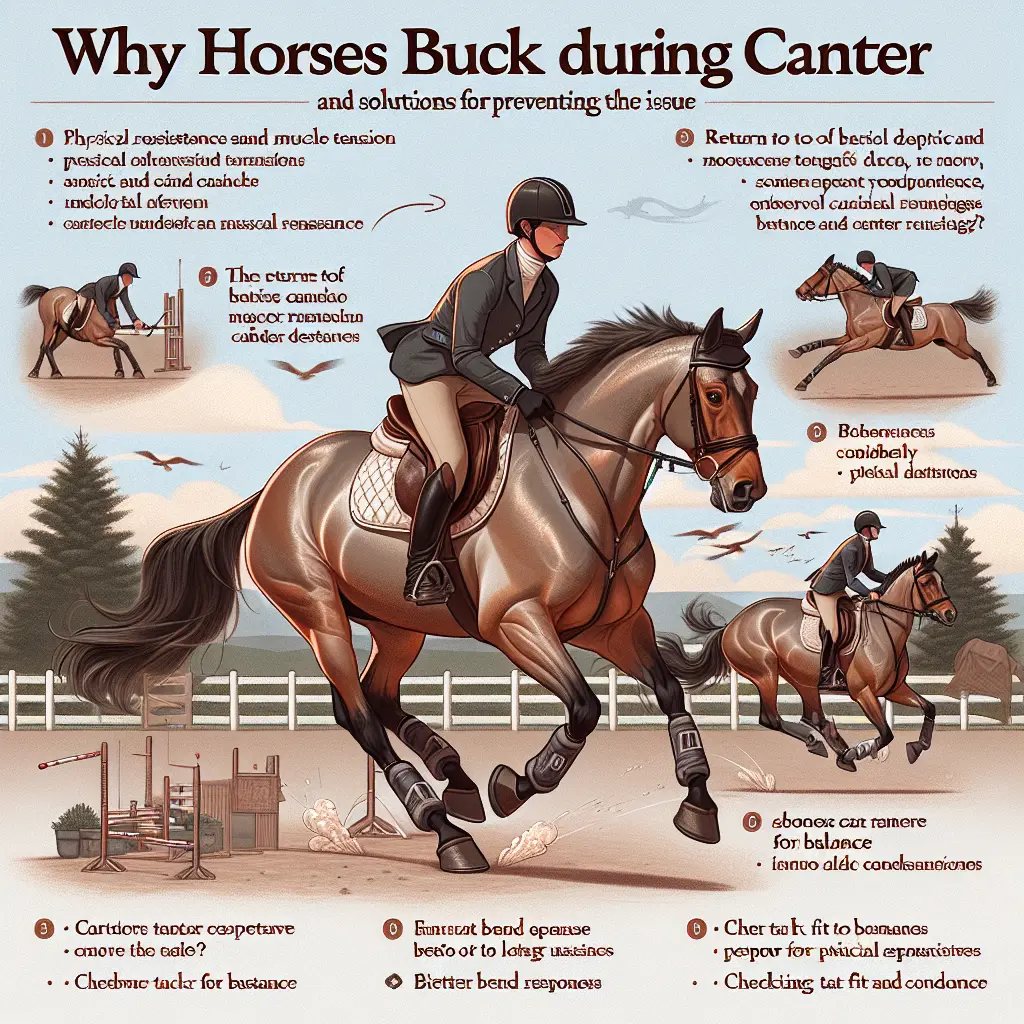
When a horse doesn’t properly respond to bending cues, it increases the chance of bucking out of discomfort or frustration. This resistance can lead to stiffness and imbalance. To promote a relaxed canter, consistent training in yielding to lateral aids is paramount [4].
Solutions for Preventing Bucking During Canter
Addressing the causes of bucking involves a blend of training, equipment checks, and behavioral adjustments. Here are practical solutions for preventing bucking during cantering:
Go Back to Basics with Groundwork and Riding
Establishing relaxation, balance, and soft bend during walking and trotting is essential. Begin with calm, balanced gaits and smooth transitions. By mastering these basics, you can lay the groundwork for a confident canter [1][4].
Work Separately on Canter Departure and Slowing Down
Train canter cues and slowing efforts as distinct goals. Initially, provide large releases of rein on canter departure to build trust. This approach helps reduce anxiety, allowing the horse to gain confidence without premature restraint [2]. Gradually incorporate controlled slowing after the canter cue is fully established.
Assess and Improve Bend Responsiveness
On the ground, test your horse’s acceptance of barrel pressure, encouraging a gentle yield to leg aids. Promoting bending from the neck, back, and barrel supports a relaxed canter. For aid with ensuring a smooth transition, browse our Horse Riding Gloves Collection.
Improve Balance Before Asking for Canter
Using corners helps a horse engage its hindquarters and gain balance. Ensure a positive trotting pace supports smooth canter entry [5]. Properly structured transitions set the foundation for a successful canter.
Check Tack Fit and Physical Comfort
Cinch constriction or ill-fitting saddles can cause significant discomfort during a canter. Routinely check and adjust tack to ensure physical comfort. An inviting equestrian supplement plan from our Everyday Horse Vitamins & Supplements collection can ease discomfort related to physical exertion.
Concluding Looks and Lasting Impressions
In summary, addressing the root causes of bucking at canter involves a mix of horsemanship skills and empathy towards your equine companion. Through the thoughtful execution of groundwork, comprehensive tack checks, and persistent training, a better riding experience can be achieved. For continued comfort and care, explore our collection of turnout rugs that protect your horse in various weather conditions.
For further resources or assistance with your riding gear, check out our Jodhpur Collection or the Horse Riding Boot Collection.
Through balanced riding aids, gradual training progressions, and clear communication, you can prevent and resolve bucking during canter. Let Just Horse Riders help you and your horse enjoy every ride, every experience!