

Exploring Modern Solutions for Severe Fetlock Osteoarthritis in Horses
At Just Horse Riders, we pride ourselves on highlight the latest advancements in equine care, especially when it comes to conditions like severe fetlock osteoarthritis (OA) in horses. This article delves into innovative treatments beyond traditional methods, aiming to enhance equine performance and welfare.
Understanding Fetlock Osteoarthritis and Its Challenges
Fetlock OA is a degenerative joint condition that affects many athletic horses, such as racehorses. Characterized by chronic pain and reduced mobility, managing this ailment effectively can greatly enhance a horse's quality of life. Conventional treatments often include rest, NSAIDs, and corticosteroid injections to manage symptoms (source). However, these approaches seldom address the root causes of joint degeneration.
Exploring Regenerative Therapies
Autologous Conditioned Serum (ACS)
One exciting advancement in veterinary regenerative medicine is ACS. This therapy enriches the horse's blood with anti-inflammatory proteins, effectively targeting joint inflammation. Clinical studies have shown improvements in joint health and reduced lameness following ACS treatment (source).
Platelet-Rich Plasma (PRP)
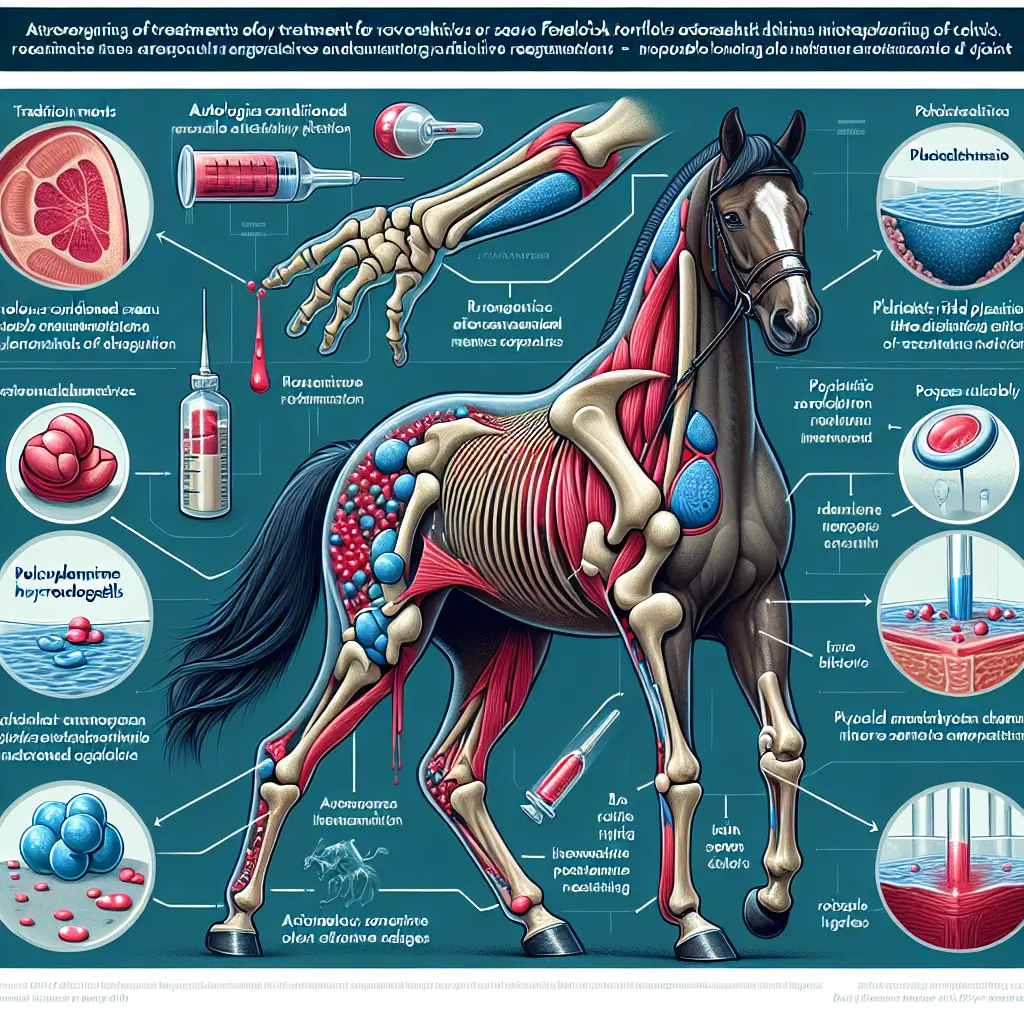
PRP therapy harnesses the horse’s own platelets to deliver growth factors that promote tissue healing. It not only reduces inflammation but also stimulates cartilage repair, offering a potential restorative solution for joint health (source).
Mesenchymal Stem Cells (MSCs)
MSCs are revered for their ability to differentiate into cartilage cells and secrete anti-inflammatory factors. This therapy not only relieves clinical symptoms but also promotes meaningful regeneration of joint tissue, shifting treatment from palliative to restorative (source).
Innovative Synthetic Treatments
Polyacrylamide Hydrogels (iPAAG)
With significant promise, iPAAG emerges as a synthetic joint filler providing relief from fetlock lameness. It's a safe, effective therapy with long-lasting results, reducing the need for regular corticosteroid injections (source).
Hyaluronic Acid (HA)
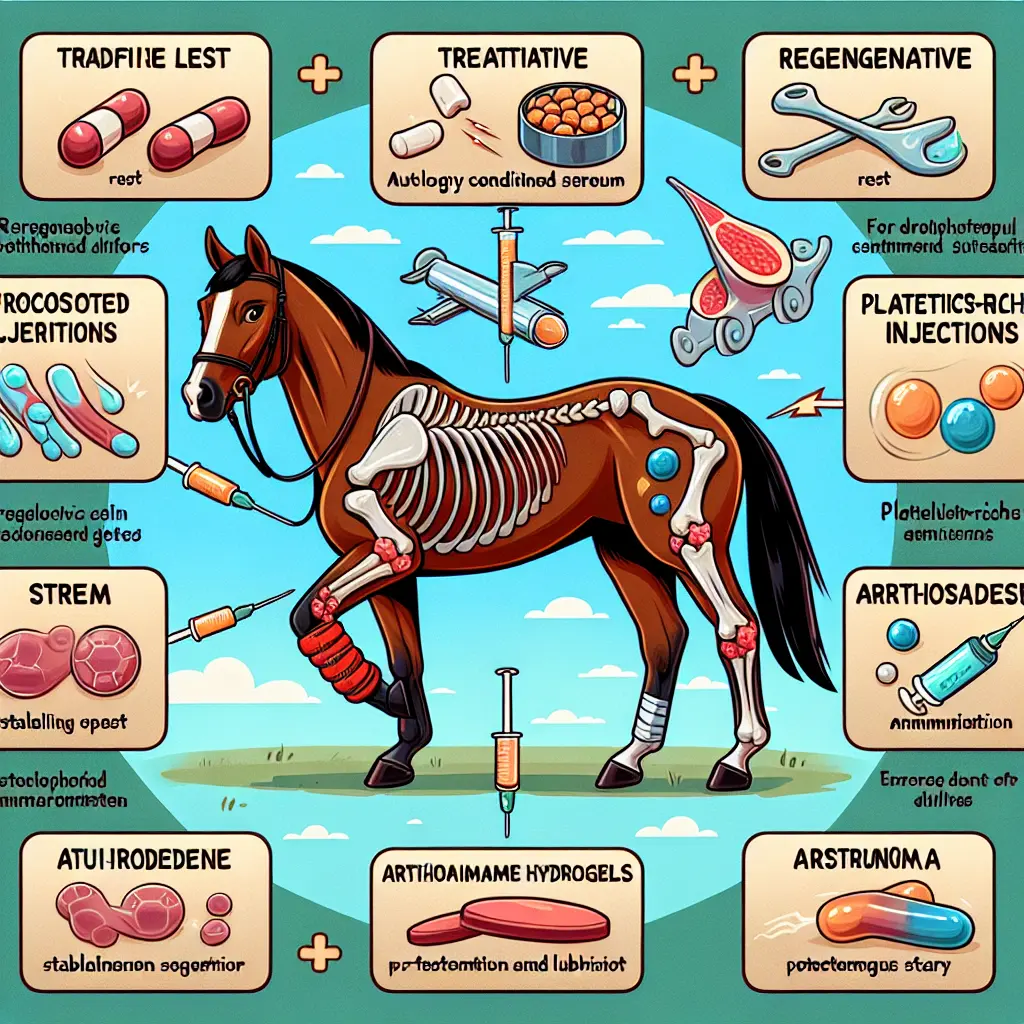
Though traditionally used for mild to moderate OA, HA remains relevant due to its ability to enhance synovial fluid viscosity and improve joint mobility. These injections offer lasting comfort and protection against further joint wear (source).
Advanced Surgical Interventions
Arthroscopic Surgery
This is a preferred method where damaged cartilage is removed, enhancing joint function and reducing inflammation. While it restores some mobility, it's often combined with other therapies for optimal outcomes (source).
Joint Fusion (Arthrodesis)
In severe cases, this surgical option immobilizes the joint to eliminate painful motion, providing long-term comfort even if mobility is compromised (source).
Integrative Management and Rehabilitation
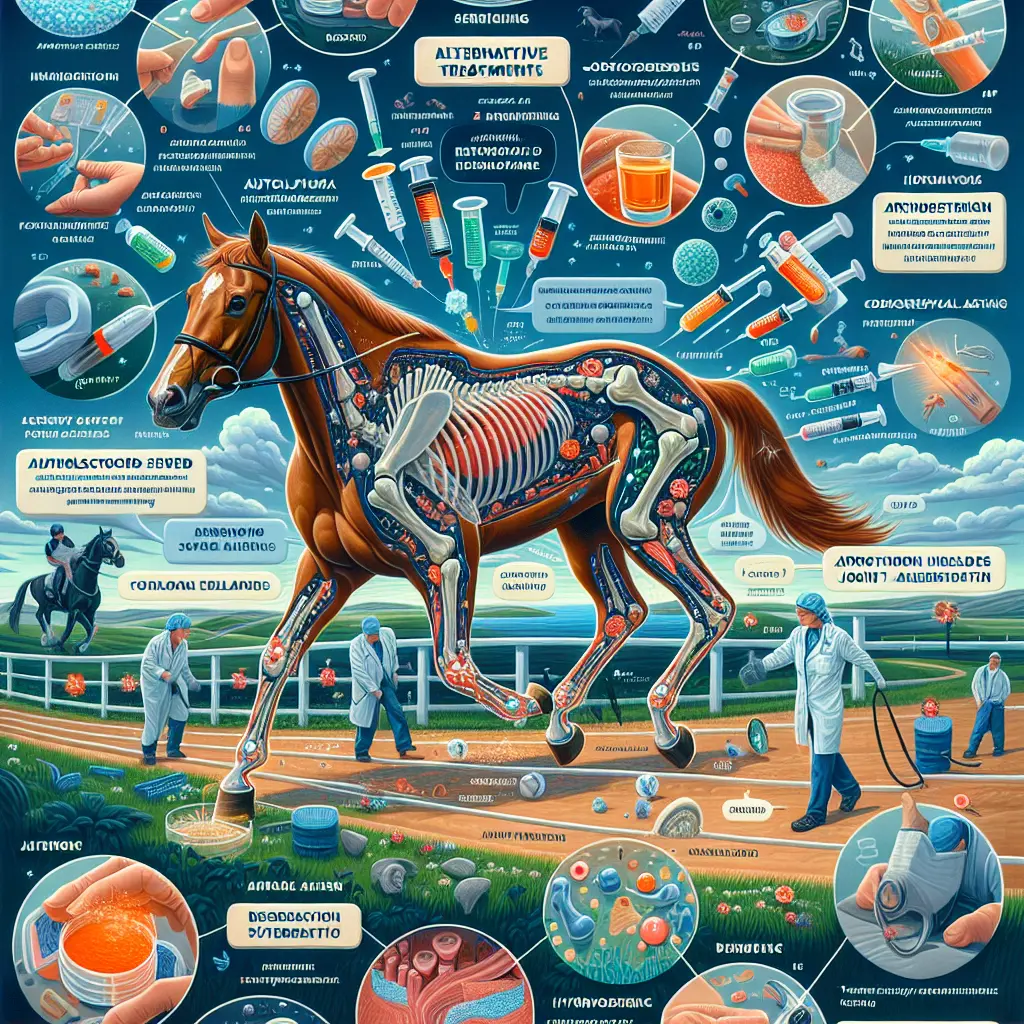
Combining these therapies with a controlled exercise program—like daily walking—can aid in maintaining joint health without exacerbating damage. Regular veterinary checkups ensure timely adjustments to treatment plans.
Key Benefits of Exploring Alternative Treatments
- Slows or halts disease progression, offering more than just symptomatic relief.
- Reduces dependency on corticosteroids, known to adversely affect cartilage over time.
- Biologic therapies offer enhanced joint tissue repair through their anti-inflammatory properties.
- Provides longer-lasting relief and improves quality of life for horses.
Conclusion
Exploring these modern alternatives is pivotal for horse owners and veterinarians aiming to improve the lives of horses with severe fetlock OA. By leveraging regenerative and synthetic therapies, the potential for enhanced equine performance and longevity is significant. Stay updated with the latest in equine supplements and gear at Just Horse Riders for top-notch horse care.