

How to Manage and Prevent Puffy Legs in Horses: Tips, Treatments, and Nutritional Insights
Puffy legs in horses, often referred to as "stocking up" or leg swelling, are a common concern among horse owners. It's a condition that manifests through noticeable swelling, and understanding its causes, treatments, and preventive measures is essential in maintaining equine health and performance.
What Causes Puffy Legs in Horses?
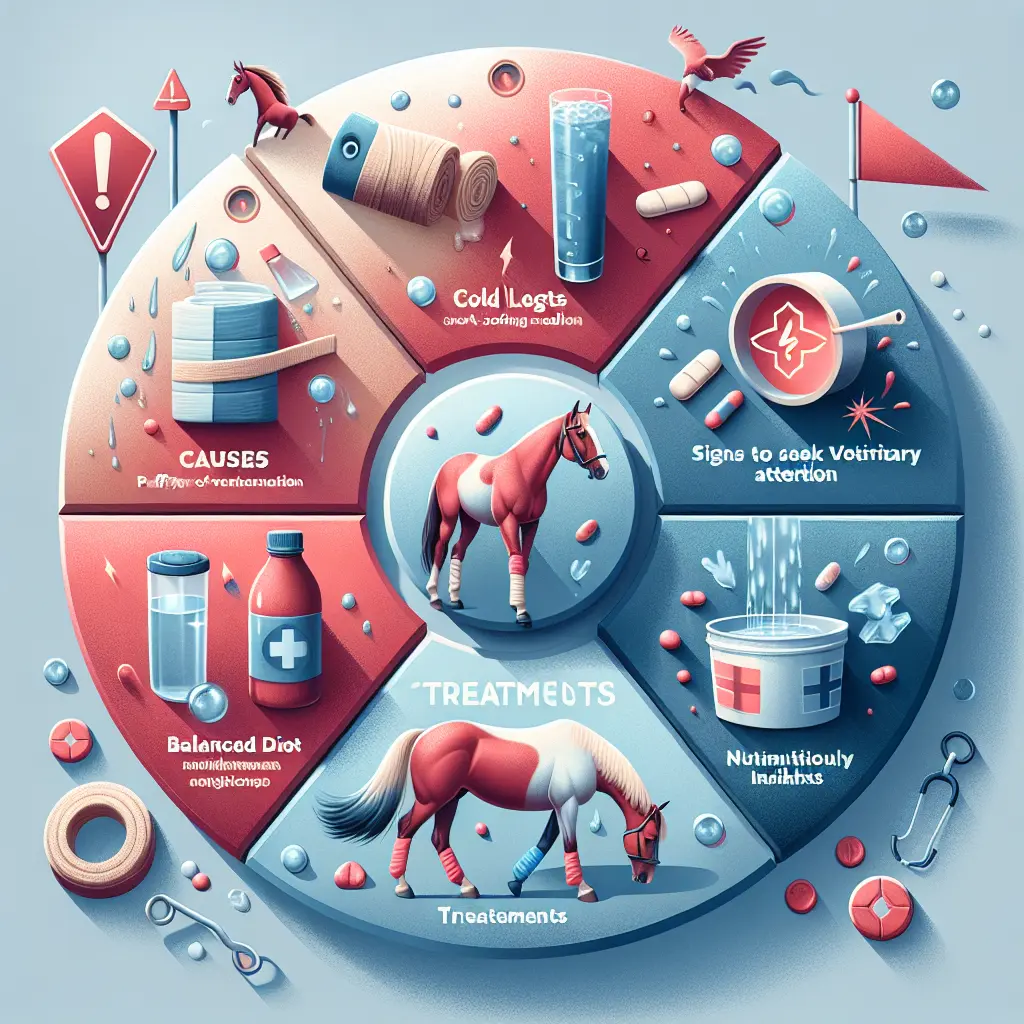
Puffy legs can arise from various underlying issues, often linked to fluid accumulation due to impaired circulation or inflammation:
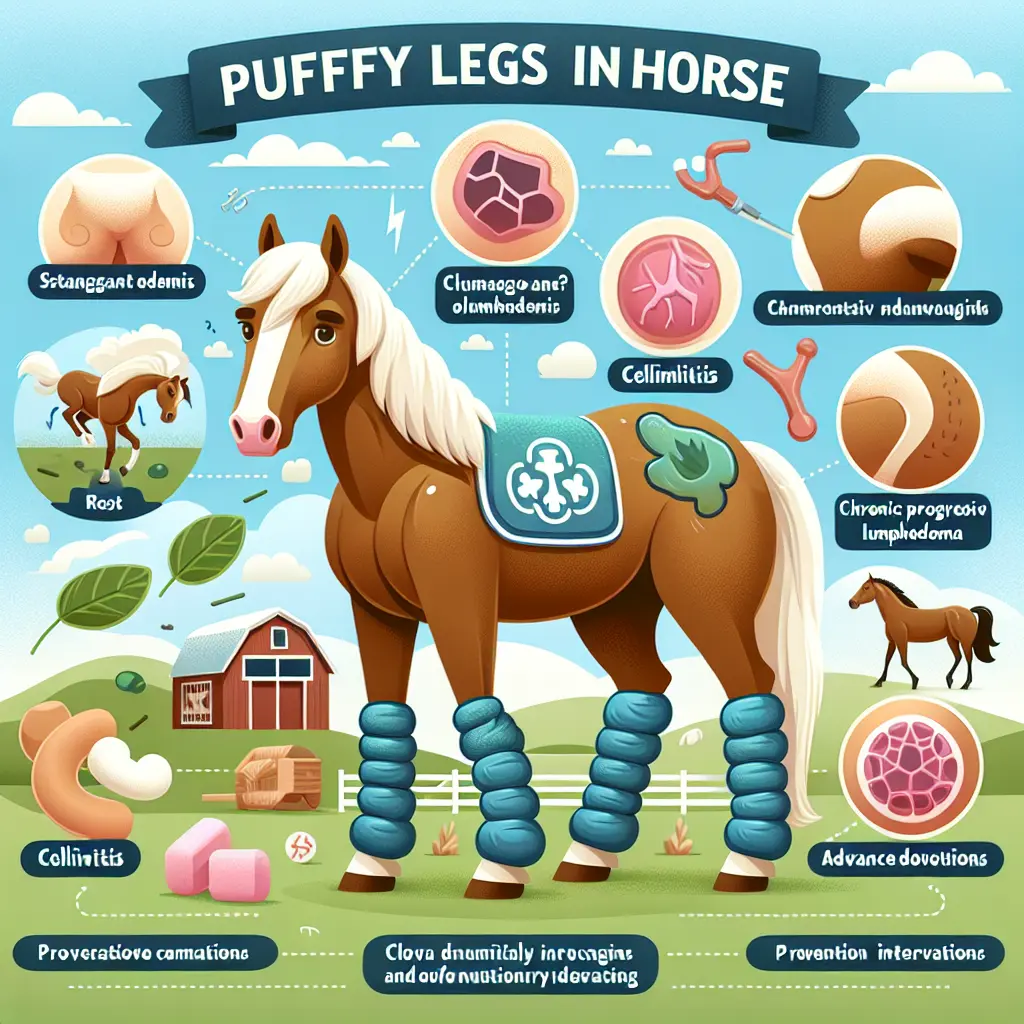
Stagnant Edema (Stocking Up)
This condition is seen when a horse is inactive or confined for long periods, leading to fluid pooling. It primarily affects horses when stabled overnight, due to poor lymphatic drainage and lack of movement (source).
Lymphangitis
A bacterial infection leads to inflammation of the lymphatic vessels, causing extreme swelling. It typically affects one hind leg, presenting symptoms such as fever and pain. It's often linked to infections like Strangles (source).
Cellulitis
This involves infection and inflammation beneath the skin, usually stemming from a wound or bacterial spread. Rapid swelling, warmth, pain, fever, and lameness are typical symptoms (source).
Chronic Progressive Lymphedema (CPL)
Mostly affecting draft horse breeds, CPL is a genetic disorder leading to progressive swelling of the lower leg, often resulting in disfigurement and secondary infections (source).
Other Causes
Trauma, insect bites, allergic reactions, a poor diet rich in excess protein, moisture overexposure, and obesity can also lead to leg swelling (source).
Recognizing When to Seek Veterinary Attention
Swollen legs require veterinary evaluation if accompanied by heat, pain, lameness, fever, or rapid onset of symptoms. These signs suggest infection or serious inflammation that needs prompt treatment (source).
Effective Treatments for Puffy Legs
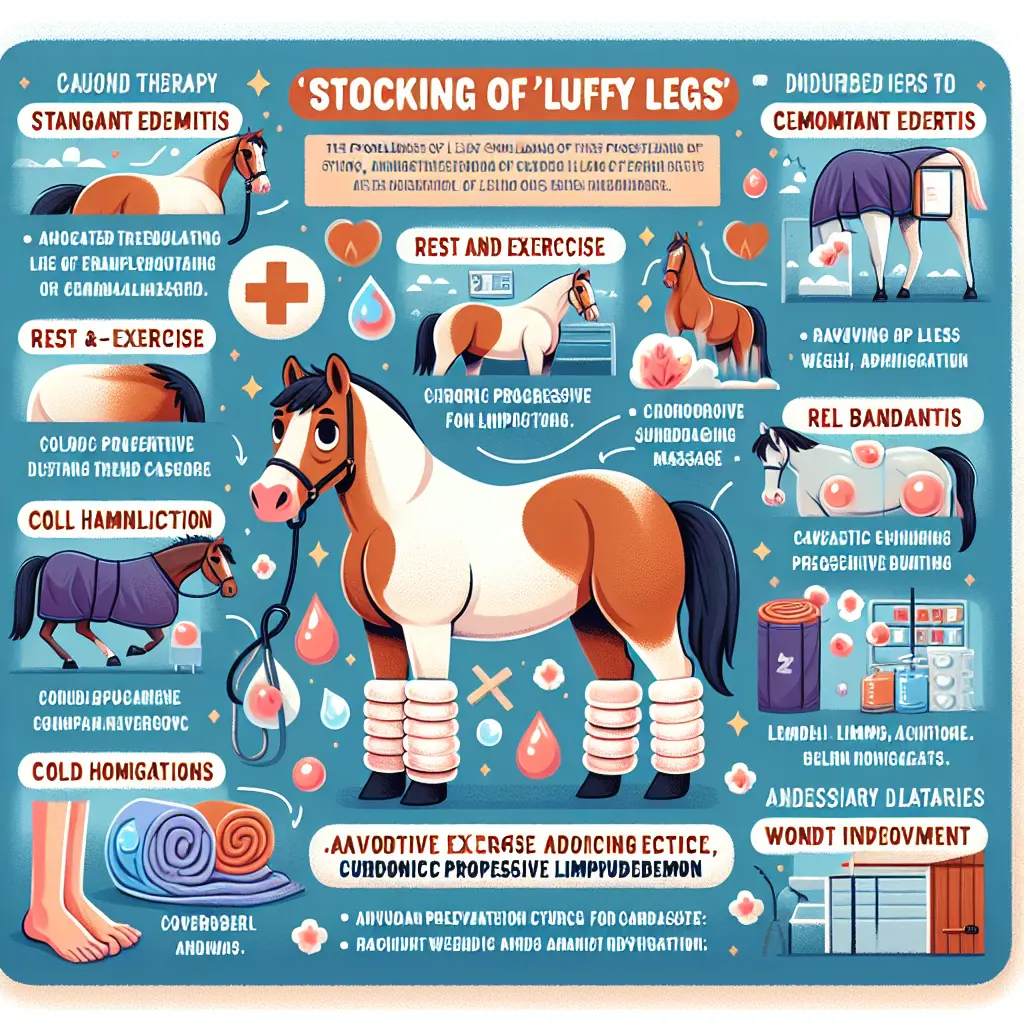
Treatments depend on the underlying cause but generally include the following:
Cold Therapy
Using cold water or ice boots helps constrict blood vessels, reduce inflammation, and minimize swelling. This is especially effective in acute cases post-exercise or trauma (source).
Rest and Controlled Exercise
Gradually increasing movement encourages lymphatic drainage and circulation, helping to reduce fluid accumulation from inactivity (source).
Anti-Inflammatories and Antibiotics
Non-steroidal anti-inflammatory drugs (NSAIDs) reduce pain and inflammation, while antibiotics treat infections like cellulitis and lymphangitis (source).
Bandaging and Massage
Compression bandages support the limb and promote fluid return, while massage can stimulate circulation when done correctly (source).
Nutritional Insights to Prevent Puffy Legs
Diet plays a critical role in your horse’s vascular and lymphatic health:
Balanced Protein Intake
Ensure your horse’s diet meets but does not excessively exceed protein requirements, as excess protein can lead to fluid retention (source).
Hydration
Adequate water intake supports kidney function and reduces fluid retention, crucial for preventing puffiness in legs (source).
Electrolyte Balance
Maintaining proper electrolyte levels aids circulation and prevents edema, which is vital for active horses (source).
Weight Management
Overweight horses exert increased pressure on vessels and lymphatics, making limb swelling more likely. A balanced diet paired with regular exercise helps maintain optimal body condition (source).
Practical Tips to Manage and Prevent Puffy Legs
- Regular Exercise: Promote daily turnout or hand-walking to stimulate circulation and lymphatic flow.
- Appropriate Stabling: Avoid prolonged confinement. If stabled, encourage movement with regular breaks.
- Cold Hosing After Workouts: This can reduce post-exercise inflammation.
- Routine Limb Inspection: Early detection of swelling or heat allows for prompt management.
- Manage Wounds Promptly: Clean and protect wounds to prevent infections that can cause cellulitis.
- Use Supportive Bandaging: When necessary, use leg wraps during transport or recovery periods.
Conclusion
Puffy legs in horses require a blend of attentive management, veterinary care, and nutritional balance. By understanding the causes—from benign fluid build-up after inactivity to serious bacterial infections—horse owners can act appropriately. Prompt treatment, preventive exercise, proper diet, and good stable management are key to reducing the incidence and severity of leg swelling. For a precise diagnosis and tailored treatment plan, always consult your veterinarian.
Discover more about our Jodhpur Collection, Horse Riding Boots, and more at Just Horse Riders.