

Mastering Patience and Stillness: Training Techniques for OTTBs
Off-the-track Thoroughbreds (OTTBs) are known for their athleticism and competitive nature. Transitioning them from the racetrack to a new discipline involves nurturing patience and stillness. These qualities are essential for their success in activities like dressage, trail riding, or simply being calm companions. In this comprehensive guide, we'll explore training techniques that emphasize patience and stillness, supported by research and expert advice.
Understanding the OTTB Temperament and Challenges
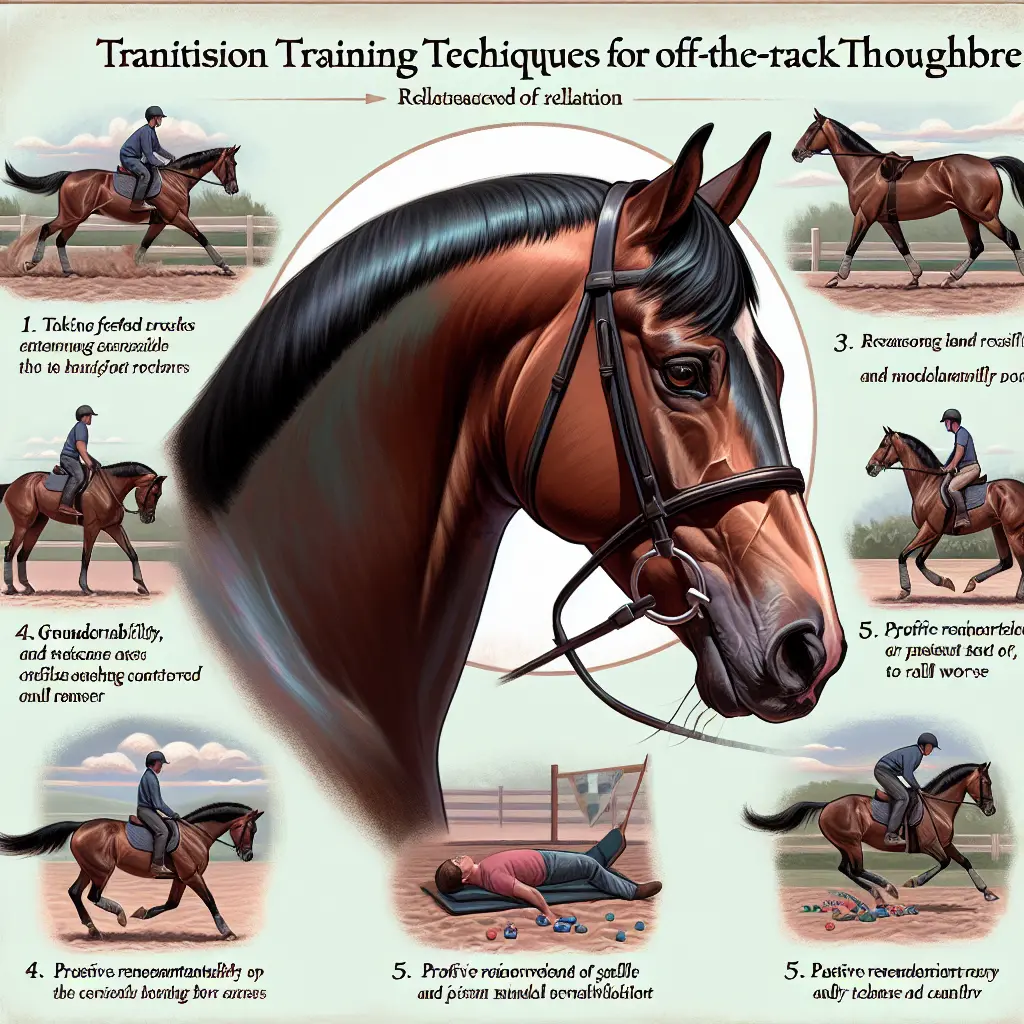
OTTBs are bred and trained for high-speed racing, which often leads to reactive behaviors when they retire. The conditioning they receive doesn't prioritize stillness or quiet focus, leading to anxiety in new environments. Research emphasizes the importance of balancing intense workouts with rest to maintain performance[1]. This balance is equally critical for OTTBs transitioning to new roles.
The Value of Patience and Stillness in OTTB Training
Patience and stillness are critical for OTTBs to process new cues, reduce stress, and build trust. Teaching a horse to stand quietly fosters safety and prepares them for advanced training. Developing these traits involves a calm, consistent approach, respecting a horse's innate sensitivities and training history.
1. Incorporate Frequent Rest Breaks and Controlled Workloads

Studying Thoroughbred racehorse training practices reveals that well-timed pauses enhance recovery and focus[1]. For OTTBs, frequent short rest periods during training can prevent overstimulation and support the development of patience.
2. Begin with Groundwork Focused on Relaxation and Engagement
Experts suggest that the initial goal is maintaining a relaxed horse that remains engaged on the ground across all gaits[2]. Lunging exercises promoting calm responsiveness are pivotal in helping horses build confidence and learn stillness.
3. Use Slow, Deliberate Exercises to Build Stillness
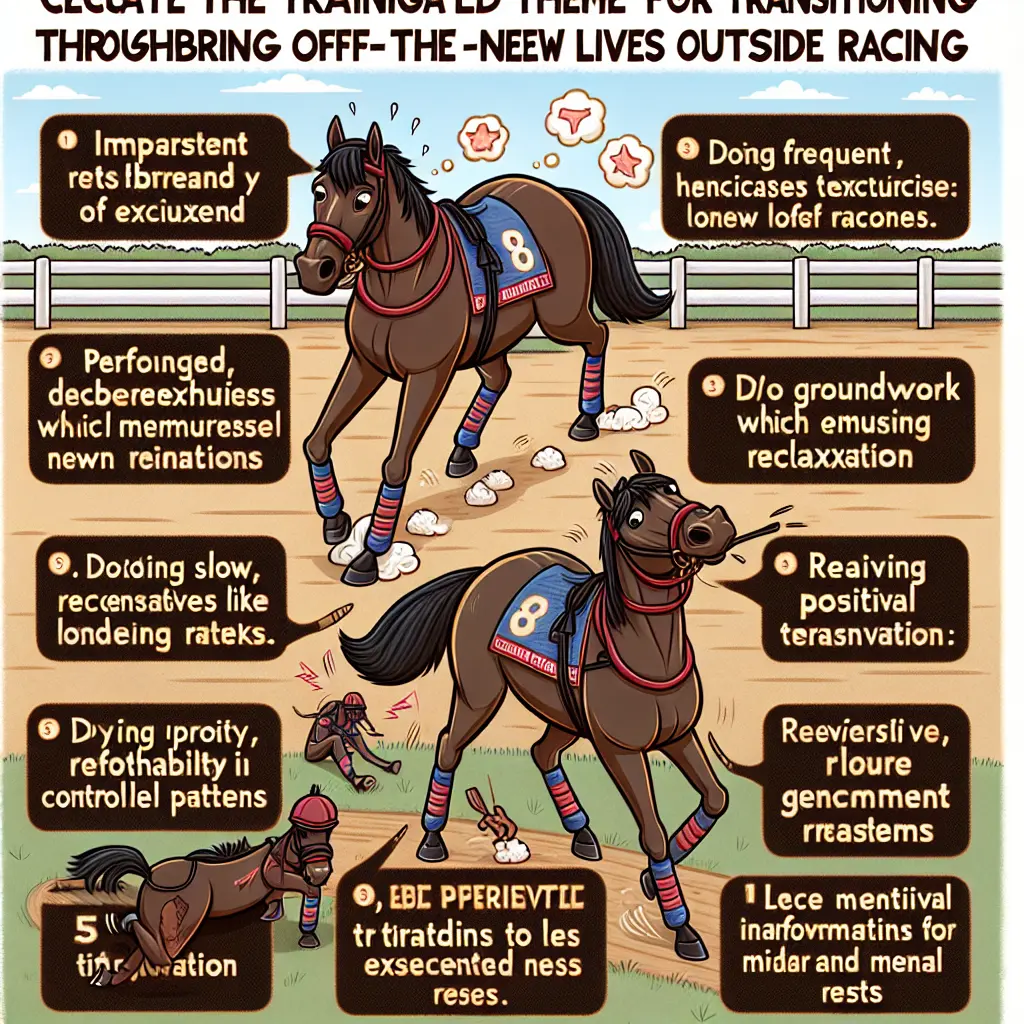
Exercises at a slow pace, such as walking and trotting in controlled patterns, help OTTBs focus on balance and relaxation. Research supports the use of measured exercise intensity for developing calmness[1], allowing trainers to pace training according to the horse's comfort level.
4. Employ Positive Reinforcement and Patience
Training must be consistent and marked by patience. Positive reinforcement for calmness without rushing is crucial. Slow progress through unfamiliar stimuli reduces fear and increases trust[2]. Providing time to process cues is vital for fostering patience.
5. Establish a Consistent Routine with Time for Mental Rest

Structured routines offer predictability and reduce anxiety. Combining consistent groundwork, lunging, and ridden sessions with mental rest enhances training effectiveness[1]. Mental and physical rest are critical for learning assimilation.
Benefits of Mastering Patience and Stillness
- Improved Safety: Calm horses are easier and safer to handle.
- Enhanced Trainability: Patient OTTBs learn and retain skills more effectively.
- Reduced Injury Risk: Controlled, balanced work with proper rest lowers chances of injury[1].
- Performance Flexibility: Calm OTTBs adapt successfully to different disciplines.
Conclusion
Mastering patience and stillness in OTTB training requires understanding their previous conditioning and behavioral tendencies. By incorporating frequent rest, slow and focused groundwork, and consistent routines, trainers can optimize the transition from racehorse to versatile partner. Embracing these methods unlocks the full potential of OTTBs, ensuring success and well-being in their new careers.
For more guidance and quality horse riding gear, visit Just Horse Riders.
Also, check out the Jodhpur Collection, Horse Riding Boots Collection, and Horse Riding Gloves Collection for quality equestrian apparel.
Enhance your horse's care with Everyday Horse Vitamins & Supplements.