

The Ultimate Guide to Winter Hoof Care for Horses
As temperatures drop and the landscape transforms into a winter wonderland, horse owners face a unique set of challenges in maintaining their equine companions' hoof health. Understanding these challenges and implementing the right care routines can prevent common issues such as thrush, cracks, and brittleness. So, let's dive into the essentials of winter hoof care and ensure our horses trot through winter in comfort and health.
Understanding Winter Hoof Challenges
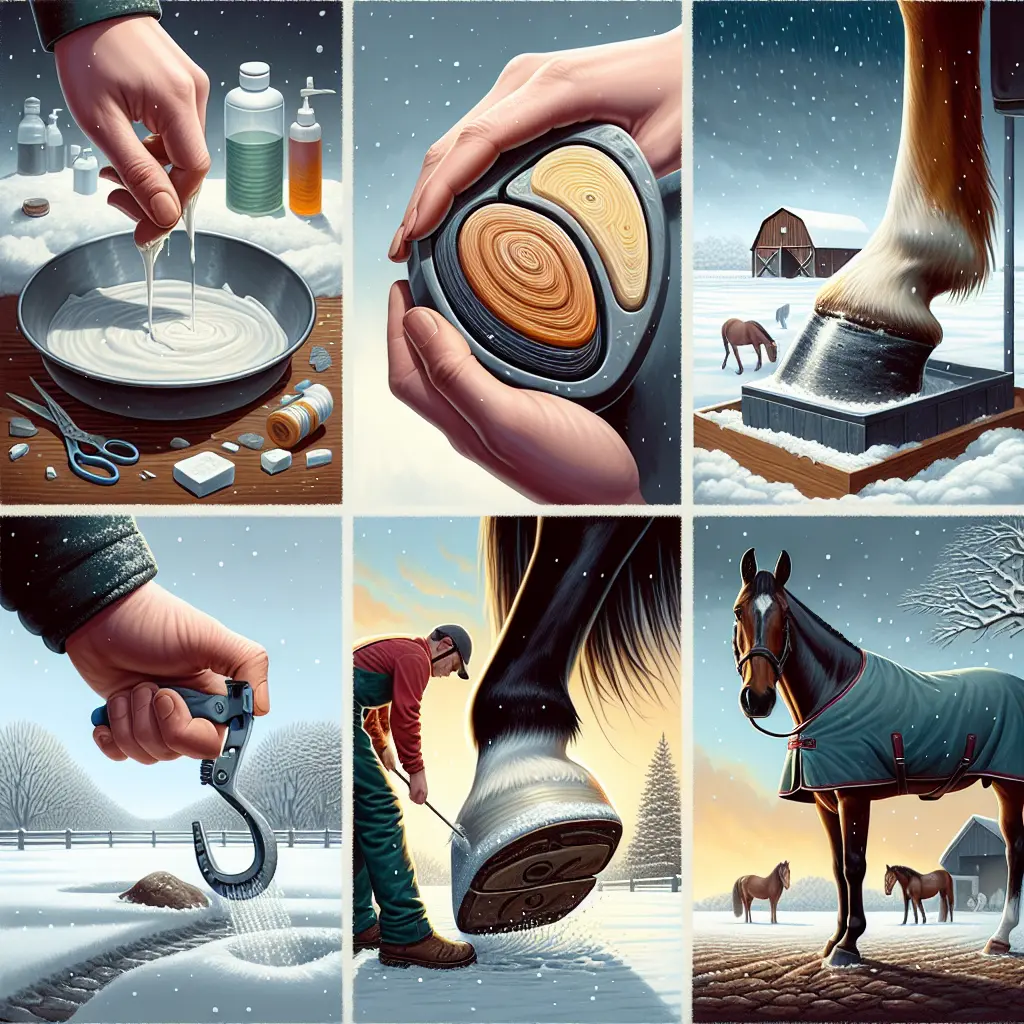
The cold and wet conditions of winter are not just uncomfortable for horses; they can lead to several hoof problems. Moisture management becomes critical as mud, snow, and ice harbor moisture and bacteria, increasing the risk of thrush, a common bacterial infection characterized by a foul odor and black discharge.
Daily Cleaning: A Non-Negotiable Routine
Daily cleaning is your first line of defense against thrush and other infections. Picking out the hooves removes debris, mud, and ice, essential for keeping the hooves dry and healthy. Consistent cleaning can also help catch other issues early, such as cracks, abscesses, or bruising.
Nutritional Needs for Hoof Health
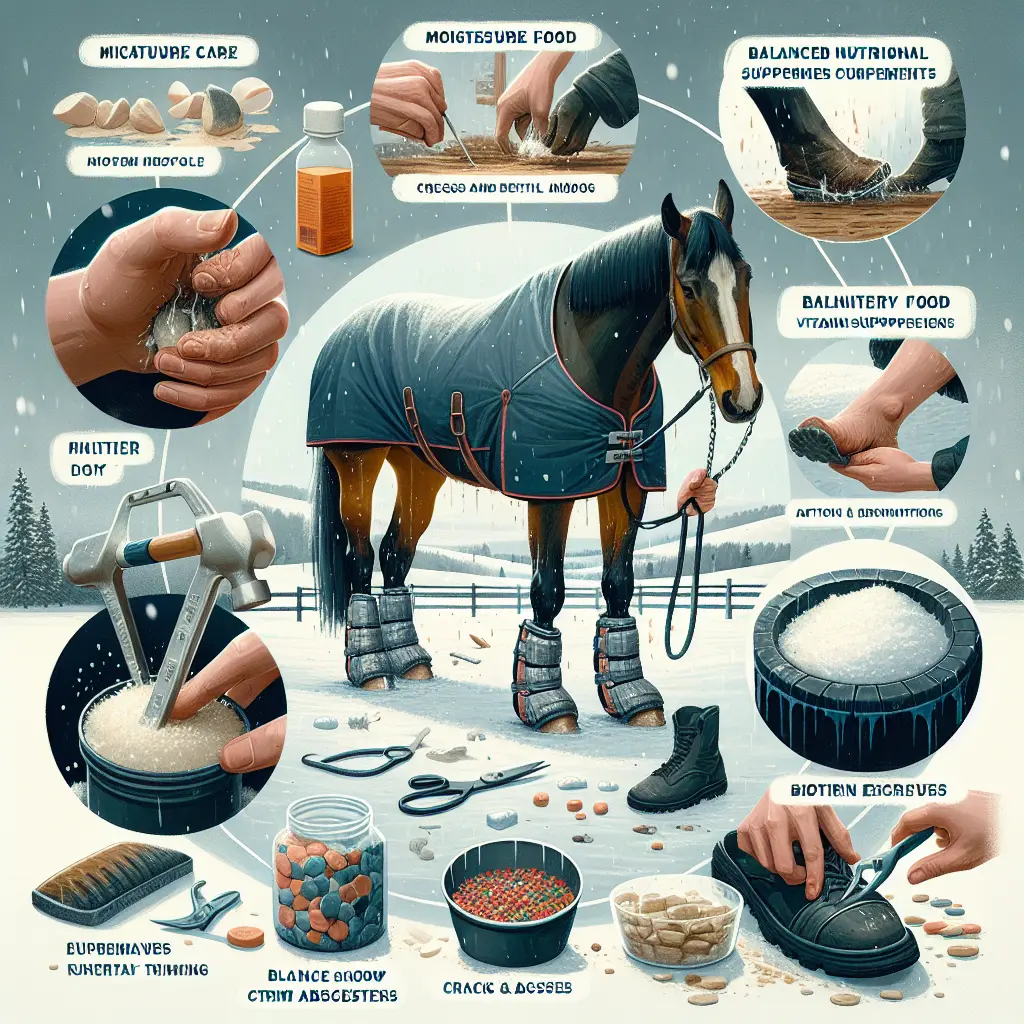
Proper nutrition plays a pivotal role in maintaining hoof integrity during winter. A balanced diet rich in vitamins, minerals, and protein supports hoof health, and biotin supplements can enhance hoof quality significantly. Consulting with a veterinarian or equine nutritionist to ensure a balanced diet is crucial. For equestrian supplements, visit our Everyday Horse Vitamins & Supplements collection.
Footwear Adjustments in Icy Conditions
Snowballing inside shoes can cause sole injuries, making appropriate footwear a necessity. Snow pads, such as flat leather or urethane rim pads, are effective in pushing out packed snow. Some owners choose to remove shoes altogether for better traction on icy grounds. If shoes remain on, maintaining regular shoeing schedules is essential to prevent injuries.
Regular Farrier Visits
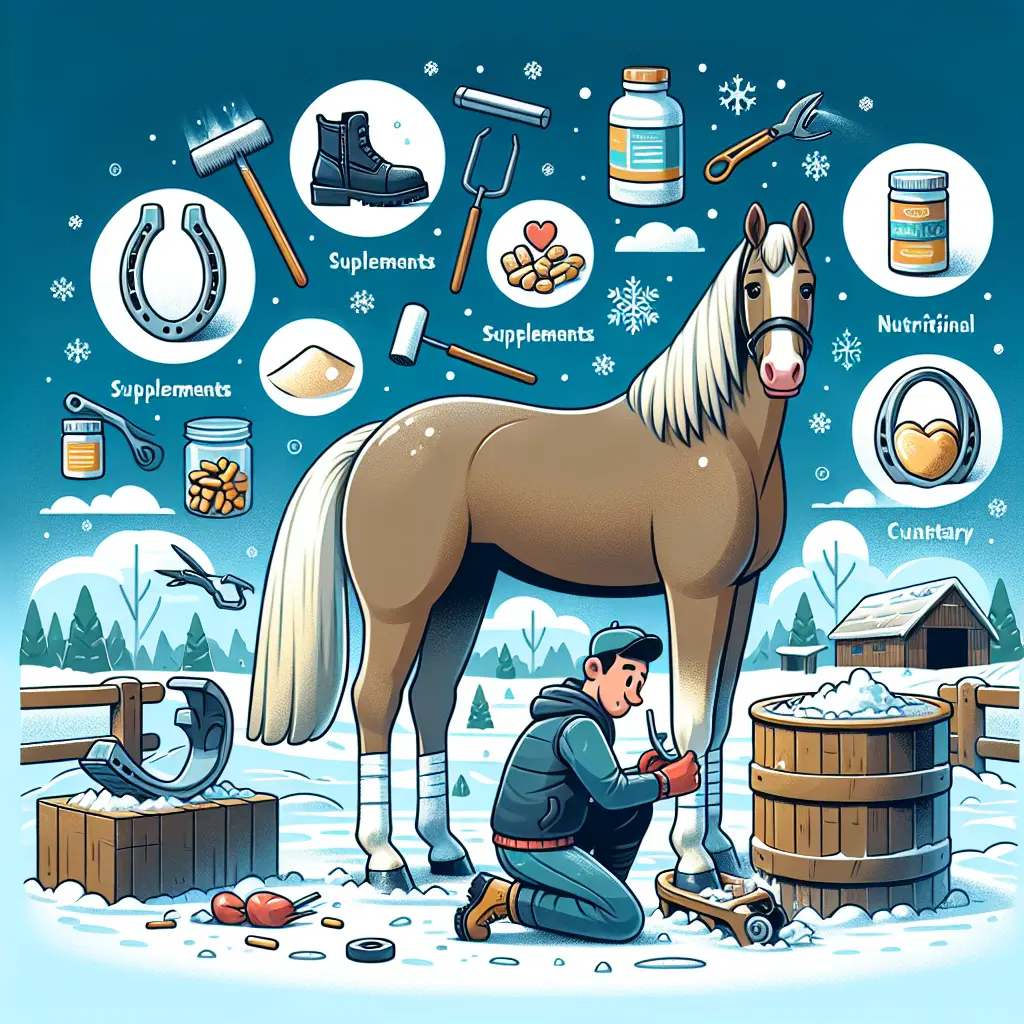
Keeping up with farrier visits every 6–8 weeks is vital for preventing hoof problems. Trimming helps avoid cracks, which can lead to breakage and tough shoeing come spring. Regular inspections by a professional ensure any issues are addressed promptly.
Creating the Ideal Standing Environment
Providing a dry, flat area for horses to stand on minimizes exposure to wet, muddy, or frozen ground that can cause hoof damage. Bringing horses into shelters allows hoof drying, further protecting against moisture-related issues.
Practical Winter Hoof Care Routine
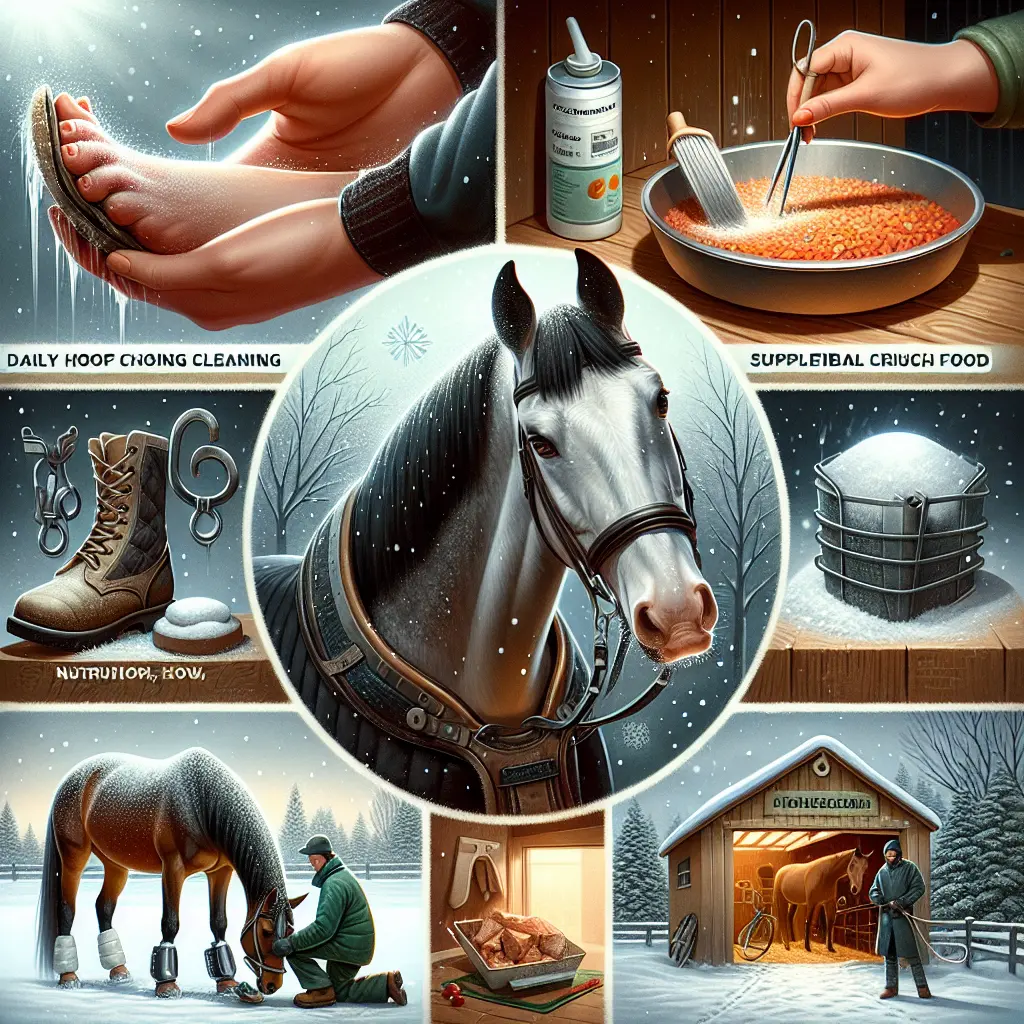
- Pick out and clean hooves daily.
- Inspect for signs of cracks, thrush, and bruising.
- Keep up with regular farrier visits for trims and shoeing.
- Supplement with biotin if needed, and consult a professional for dietary advice.
- Use snow pads or consider shoe removal for icy conditions.
- Provide a dry, flat standing area.
Additional Considerations and Resources
Thrush is more prevalent in winter. Daily maintenance can significantly reduce its occurrence. Refer to the Mid River Equine's Winter Hoof Care Tips and British Horse Society's Winter Hoof Care for more insightful information. Similarly, consult the Michigan State University Extension for comprehensive guidance on winter hoof care.
Conclusion: Crafting Your Perfect Hoof Potion
Braving the winter months doesn't have to be a daunting task for horse owners. By understanding the unique demands of winter hoof care and preparing with consistent cleaning, proper nutrition, and appropriate footwear, you can ensure your horse's hooves remain healthy and strong. Prioritize these strategies and enjoy peace of mind as your horse gallops gracefully through the winter landscape.
Explore More at Just Horse Riders
For more horse riding essentials and gear, explore our collections like the Jodhpur Collection, Horse Riding Boot Collection, and Horse Riding Gloves Collection. Remember, the right gear makes all the difference!