

Should You Worm Your Horses Annually or Trust in Regular FEC and Equisal Tests?
In the world of horse care, the simple strategy of deworming based on a calendar is increasingly questioned. With the growing issue of parasite resistance, a more tailored approach leveraging fecal egg counts (FEC) and Equisal® tests is entering the spotlight. Should you switch strategies? Let’s find out.
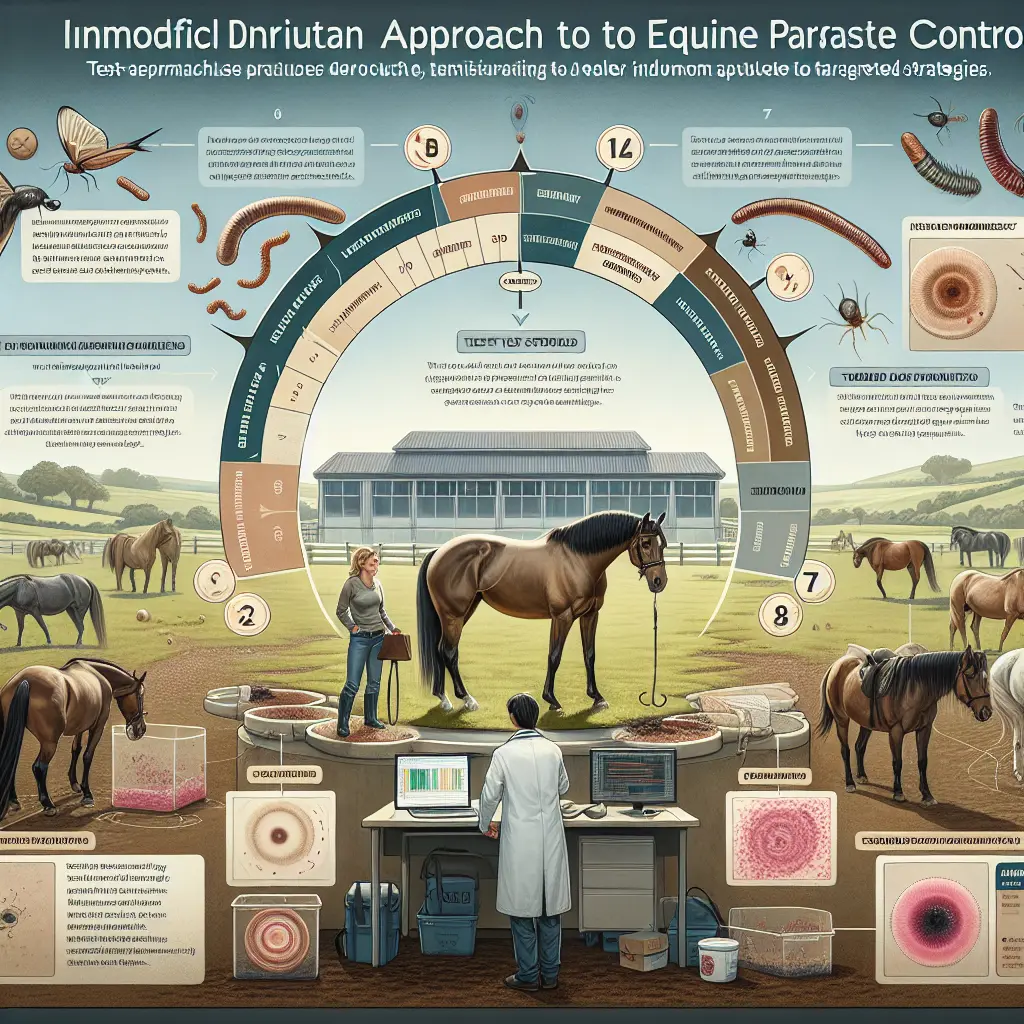
The Shift from Annual Deworming to Targeted Programs
Historically, horse owners would deworm all horses every 2–6 months, thinking this would prevent resistance. Spoiler alert: it didn’t. In fact, it's been a fast track to resistance. 80% of parasite eggs on any farm are shed by only 20–30% of horses. By targeting only those high shedders with precision, we can reduce environmental contamination and preserve drug efficacy [source].
Understanding Targeted Deworming
The American Association of Equine Practitioners (AAEP) endorses as few as one or two dewormings per year for all adult horses, tweaking treatments based on FEC testing [source]. This method has proven to be safer and more cost-effective too.
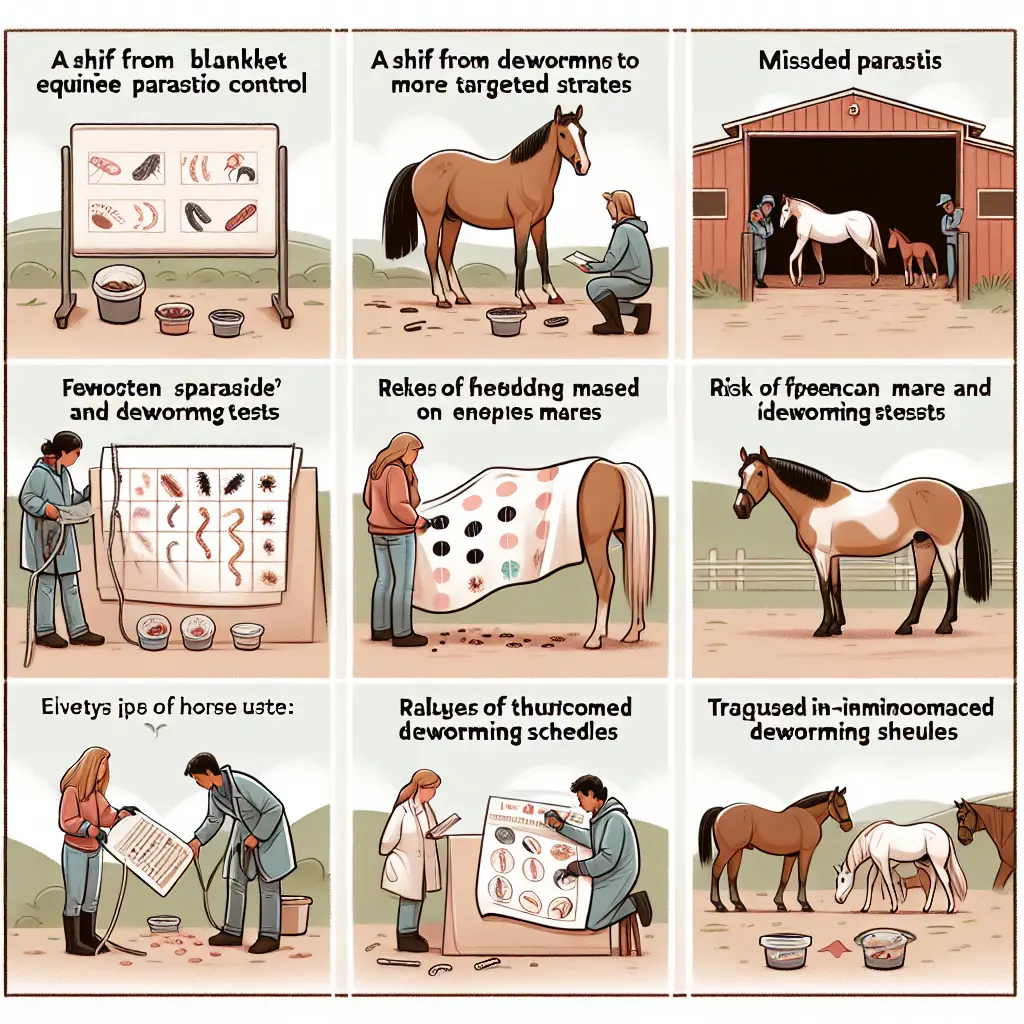
The Science Behind Fecal Egg Counts (FECs)
Fecal egg counts (FECs) are invaluable tools in determining which horses need deworming. By analyzing a fresh manure sample, FECs estimate the number of parasite eggs your horse produces and classifies them as low, moderate, or high shedders [source].
How Does It Work?
- Collect a fresh manure sample.
- Send it to a reputable lab.
- Wait for the report to reveal whether your horse is a high shedder.
- Treat high shedders appropriately, then retest post-treatment.
Note that FECs mainly identify “strongyle” worms, not tapeworms or encysted strongyles, hence the ongoing need for selective deworming for these parasites.
The Rise of Equisal® Testing for Tapeworms
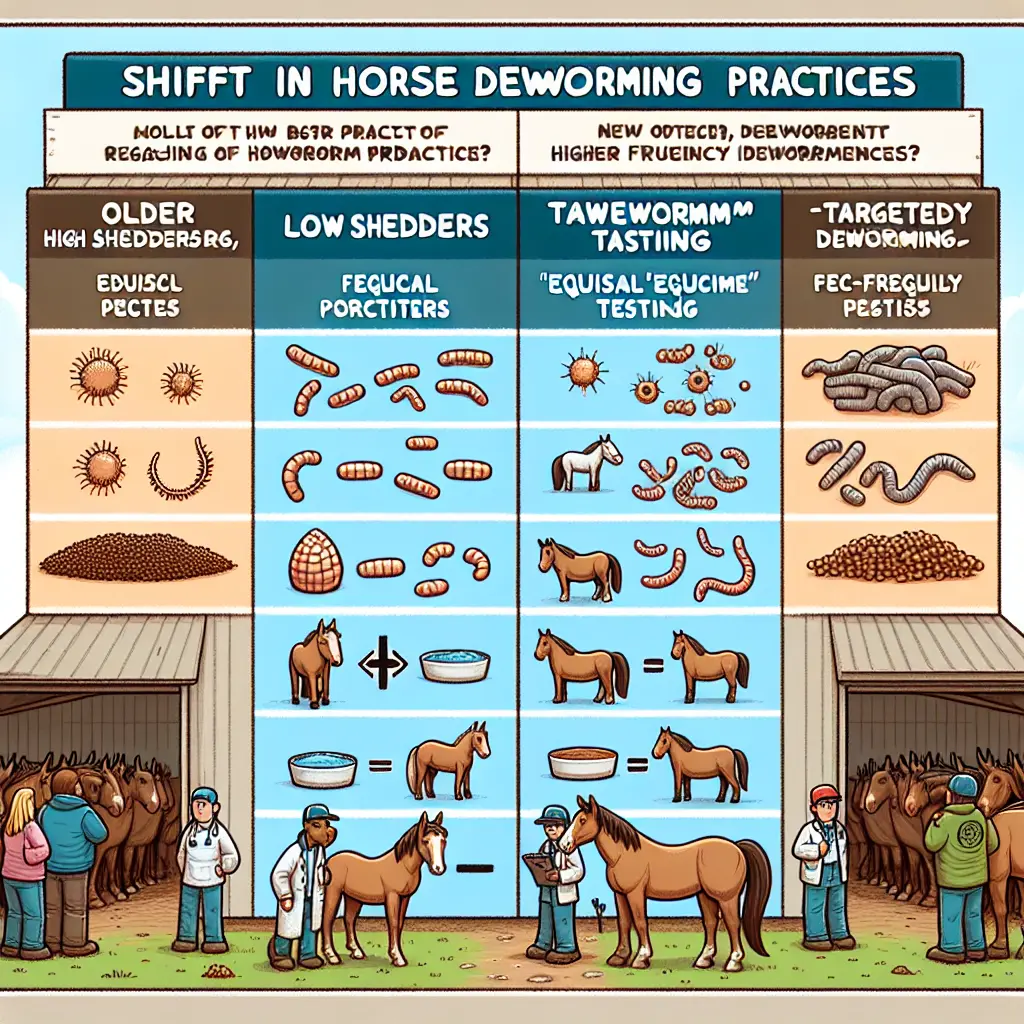
While FECs have their limitations, Equisal® provides another line of defense by detecting tapeworms through a saliva-based antibody test. Tapeworms can fly under the FEC radar, yet they're notorious for causing colic. Up to 50% of horses can carry tapeworms in certain regions [source].
How to Use Equisal® Testing
- Collect a saliva sample from your horse.
- Send it to a specialized laboratory.
- Based on the results, treat only if there's a positive tapeworm result.
Annual Deworming: Is It Ever Justified?
Blanket annual deworming is falling out of favor. However, a minimum of one to two treatments per year is still advocated, targeting parasites like tapeworms and encysted strongyles that routine FEC may miss [source].
Key Facts on Annual Deworming
The AAEP suggests even horses with low FEC counts should be dewormed annually since some parasites remain elusive to fecal tests.
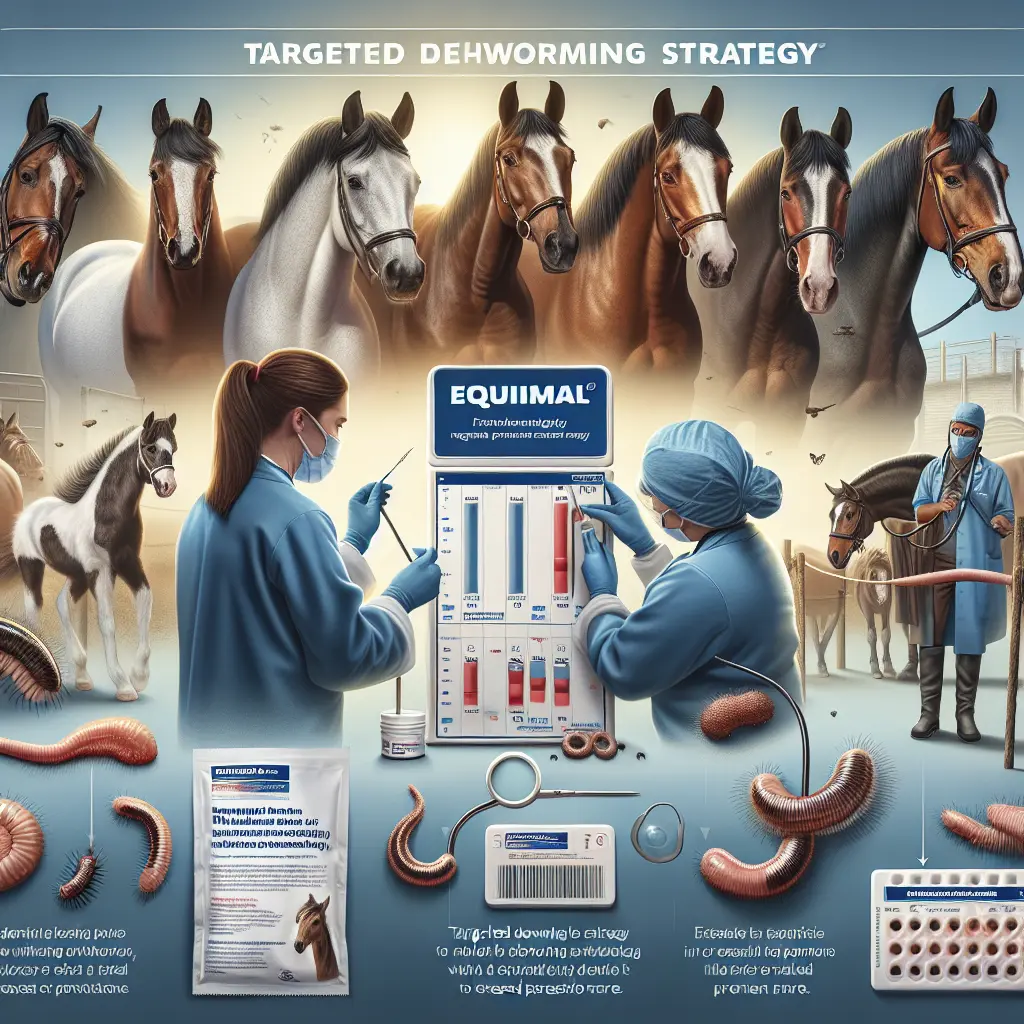
When Is Targeted, Test-Based Deworming Best?
For most horses, targeted deworming using FEC and Equisal® is the gold standard. This reduces the risk of resistance and only treats horses that need it.
Follow These Steps for Effective Parasite Control
- Test all horses twice yearly with FEC.
- Consider yearly Equisal® tests for tapeworms.
- Deworm high shedders and verify efficacy through retesting.
- Deworm all horses once or twice a year for undetected parasites.
- Consult your vet for a personalized parasite program.
Special Considerations: Foals, Broodmares, and Sick Horses
Young horses, pregnant mares, and immunocompromised horses necessitate more frequent deworming and should be managed under veterinary guidance.
Risks of Inappropriate Management
Improper use of dewormers, whether through overuse or underuse, can lead to resistance or missed parasite infections, with significant health consequences like colic.
FAQs (Frequently Asked Questions)
Q: How much does FEC testing cost?
A: Typically, much less than regular unnecessary dewormings.
Q: Can I collect and submit FEC samples independently?
A: Absolutely! Labs often provide kits with full instructions.
The Bottom Line
| Approach | Pros | Cons | Best For |
|---|---|---|---|
| Annual blanket deworming | Simplicity, coverage of missed parasites | Resistance, unnecessary treatment | Not ideal; use only lacking testing |
| FEC/Equisal®-guided | Cost-effective, resistance-reducing | Misses some parasites, requires effort | Most adult horses, most farms |
| Combination (targeted + annual) | Comprehensive, sustainable | Complex, needs vet involvement | Optimal for most situations |
Partnering with your veterinarian to implement a science-based parasite control program is the way forward. It’s about striking the right balance, testing frequently, and treating wisely. So let's break from tradition and embrace this modern approach to safeguard our horses now and in the future. Visit Just Horse Riders for expert advice and top-notch equestrian supplies.
References & Further Reading
- Penn State Extension: Current AAEP recommendations.
- The Horse: Strategic deworming insights.