

Overcoming Herd-Bound Behavior in Young Horses: Strategies for Building Trust and Independence
Herd-bound behavior in young horses is a challenge many equestrians face. Horses, being natural herd animals, often develop a strong reluctance or refusal to separate from their companions. While this behavior stems from their need for safety in numbers, it can become problematic for training and general handling. In this article, we'll explore understanding herd-bound behavior, discuss why it's crucial to address it, and provide proven strategies to foster trust, independence, and emotional resilience in young horses.
Understanding Herd-Bound Behavior
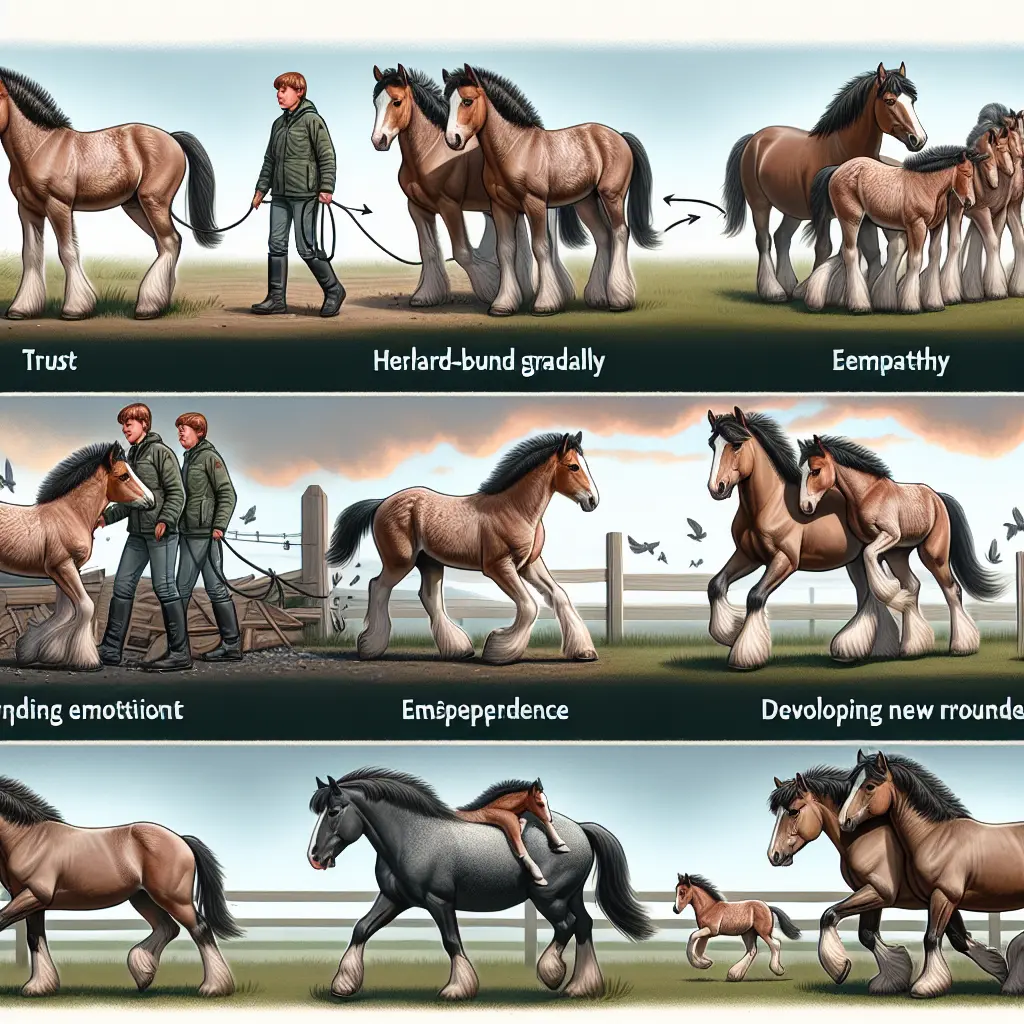
Herd-bound horses often exhibit anxiety or distress when separated from their herd. This behavior may manifest as resistance to leave the group, vocalizations, and in some cases, aggression. In young horses, these tendencies can arise from survival instincts, fear of isolation, or limited early exposure to separation. Expert insights suggest that although some horses may have a predisposition to these behaviors, they are correctable and preventable through consistent training and the right environmental management.
Why Address Herd-Bound Behavior?
- Safety concerns: A panicked horse can pose risks to itself and its handlers.
- Training progress: Herd-bound horses may find it difficult to concentrate and participate in training sessions without their peers.
- Rider confidence: Being able to ride independently is crucial, especially for trail rides.
- Well-being: Teaching independence can significantly reduce stress levels and improve emotional stability.
Proven Strategies for Building Trust and Independence
1. Set Your Horse Up for Success
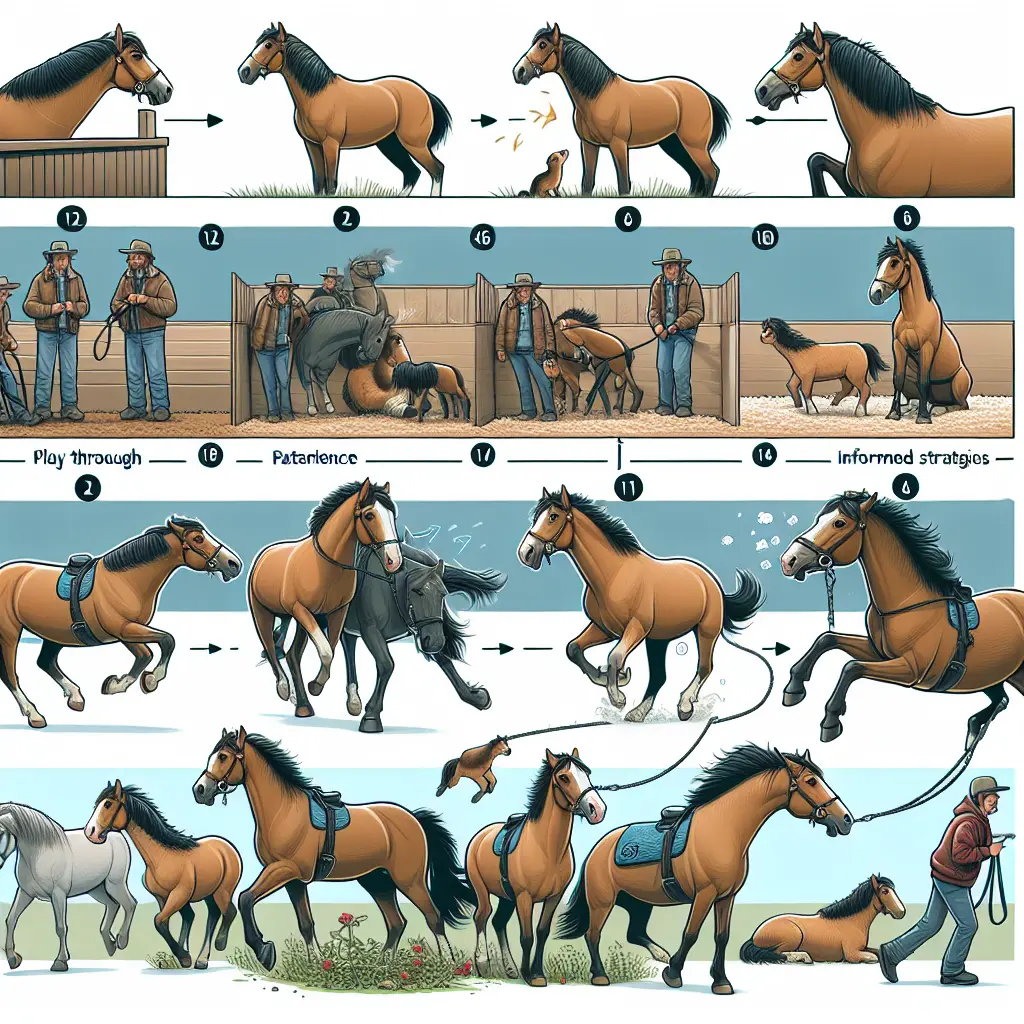
Initial separation exercises should be conducted in a calm and familiar setting. An optimal spot would be close enough for the horse to see its herd mates yet safely apart. This approach can help reduce panic as the horse is reassured by their visibility of the herd, learning to relax in solitude.
2. Gradual Separation Training
Avoid sudden isolation exercises known as "flooding," as they can intensify fear. Instead, adopt a sympathetic, progressive approach that includes:
- Starting with brief separations.
- Gradually increasing the duration and distance.
- Incorporating distractions and varied environments during isolation sessions.
This technique helps the horse learn calmness incrementally while building confidence over time.
3. Manage Emotions Before Reunion
The timing of reuniting with the herd is crucial. Allow your horse to return only when calm to avoid reinforcing negative behaviors. This promotes a positive association with being alone.
4. Change Up the Horse's Environment
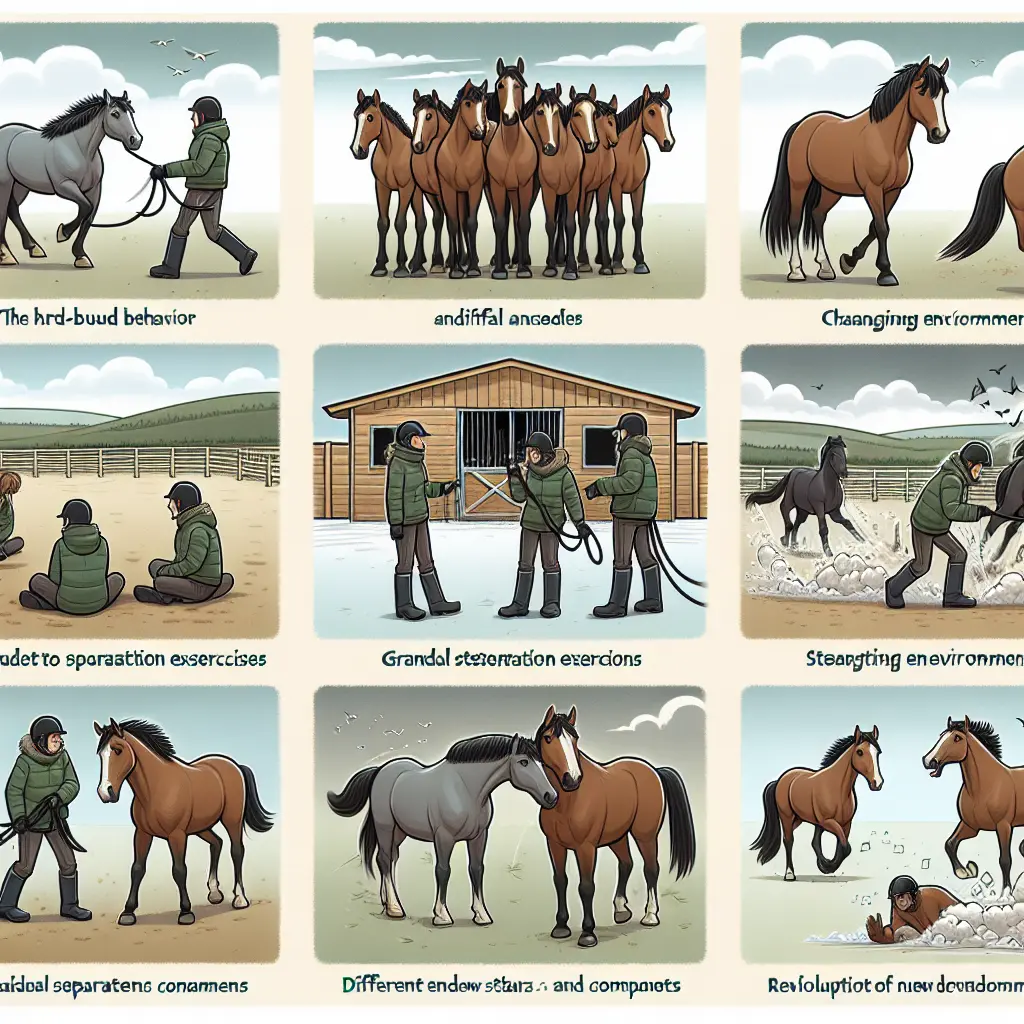
Frequently changing stall locations, pasture companions, or daily routines prevents the horse from becoming overly attached to a specific individual or location. This variety encourages adaptability and reduces their fixation.
5. Develop a New Routine and Relationship
Engage your horse in consistent, positive experiences that prioritize their interaction with you over their herd instincts. Liberty work, groundwork, and play-based exercises can highlight bonding with you as an enjoyable activity.
Key Takeaways Supported by Expert Insights
| Strategy | Benefits | Source |
|---|---|---|
| Familiar environment for separation | Reduces initial panic, supports success | Carolyn Resnick Method |
| Gradual, sympathetic training | Builds confidence, avoids trauma | Equus Magazine |
| Emotional management pre-reunion | Reprograms behavior, reinforces calmness | Julie Goodnight’s training formula |
| Changing environment/routine | Prevents fixation, develops adaptability | Heels Down Magazine |
| Positive interaction & play | Enhances trust, creates cooperation | Carolyn Resnick’s liberty training |
Final Thoughts
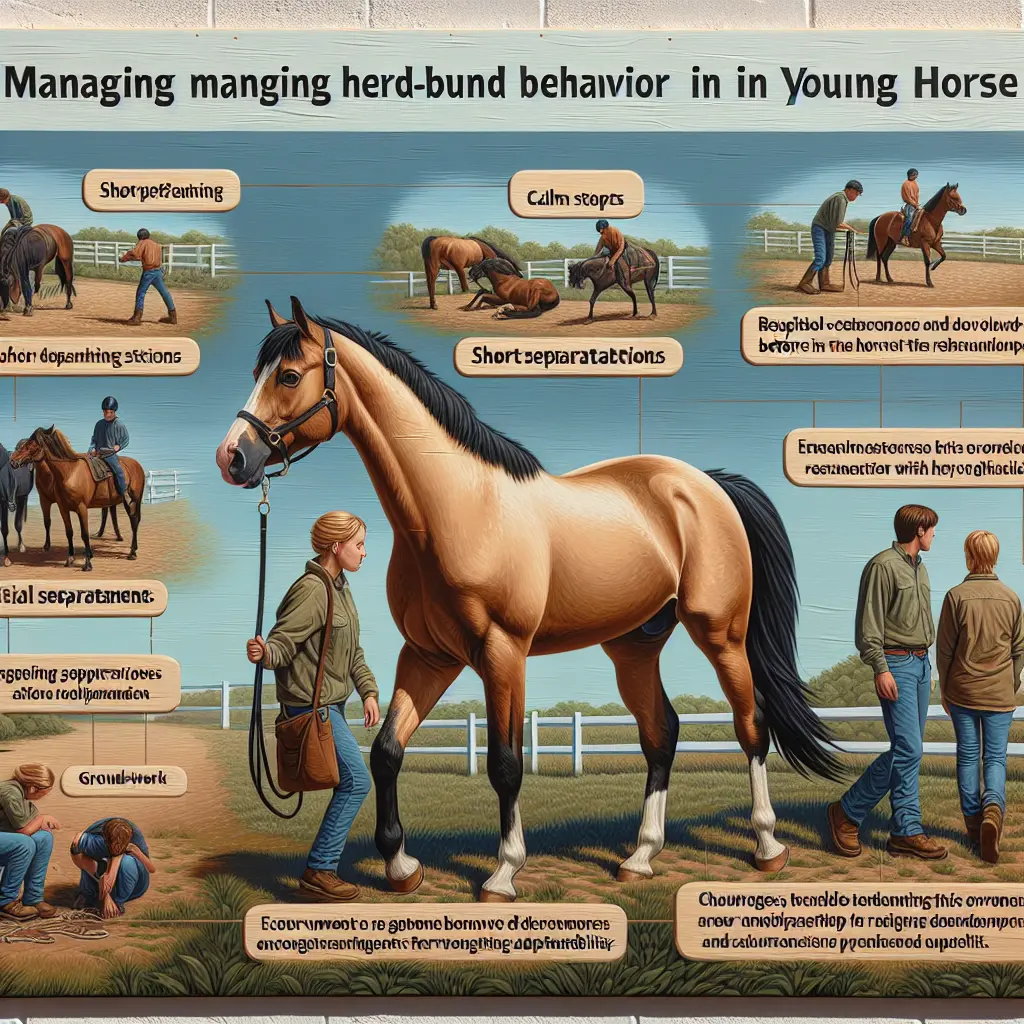
Addressing herd-bound behavior in young horses requires a deliberate and gradual approach that focuses on building trust, managing emotions, and promoting independence. With empathy and persistence, you can transform anxiety into a rewarding connection where your horse views you as a valued partner. Consider integrating professional techniques such as those offered by Carolyn Resnick, Julie Goodnight, and insights from Equus Magazine to deepen your understanding and ensure your horse’s confidence amidst various conditions.