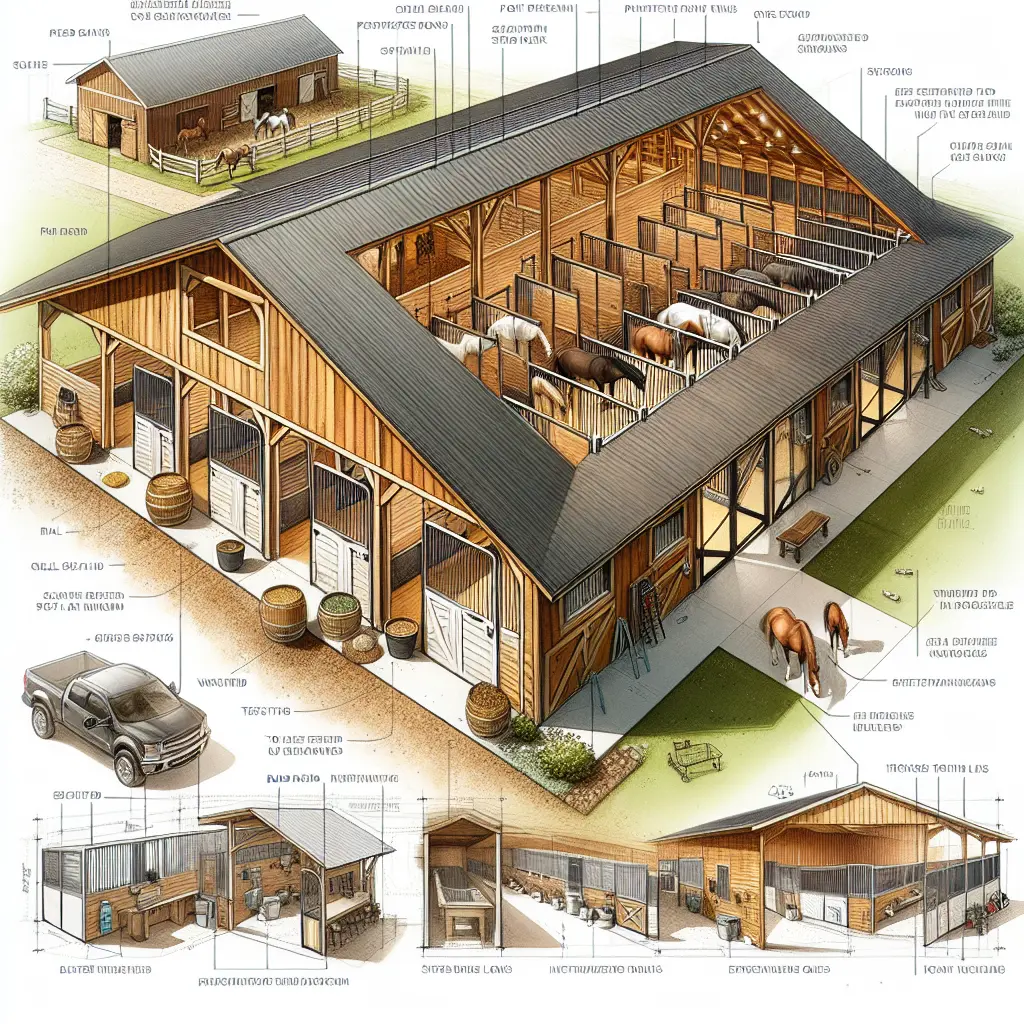
Transforming Agricultural Barn Bays into Functional and Stylish Stables: Tips and Considerations
Converting agricultural barn bays into functional and stylish stables can be both a challenging and rewarding endeavor. Whether you seek to add comfort for your horses or a touch of flair to your property, understanding key considerations can make the project a success. Join us on a journey through stable transformation and discover the essential tips required for this rewarding project.
Understanding the Basics of a Stable Conversion
Before wielding your hammer, it's crucial to assess the barn's structural integrity. Check for signs like rotted joists or water entry. Tackling these early can prevent costly repairs[5].
Designing the Stalls
Stall Size and Layout
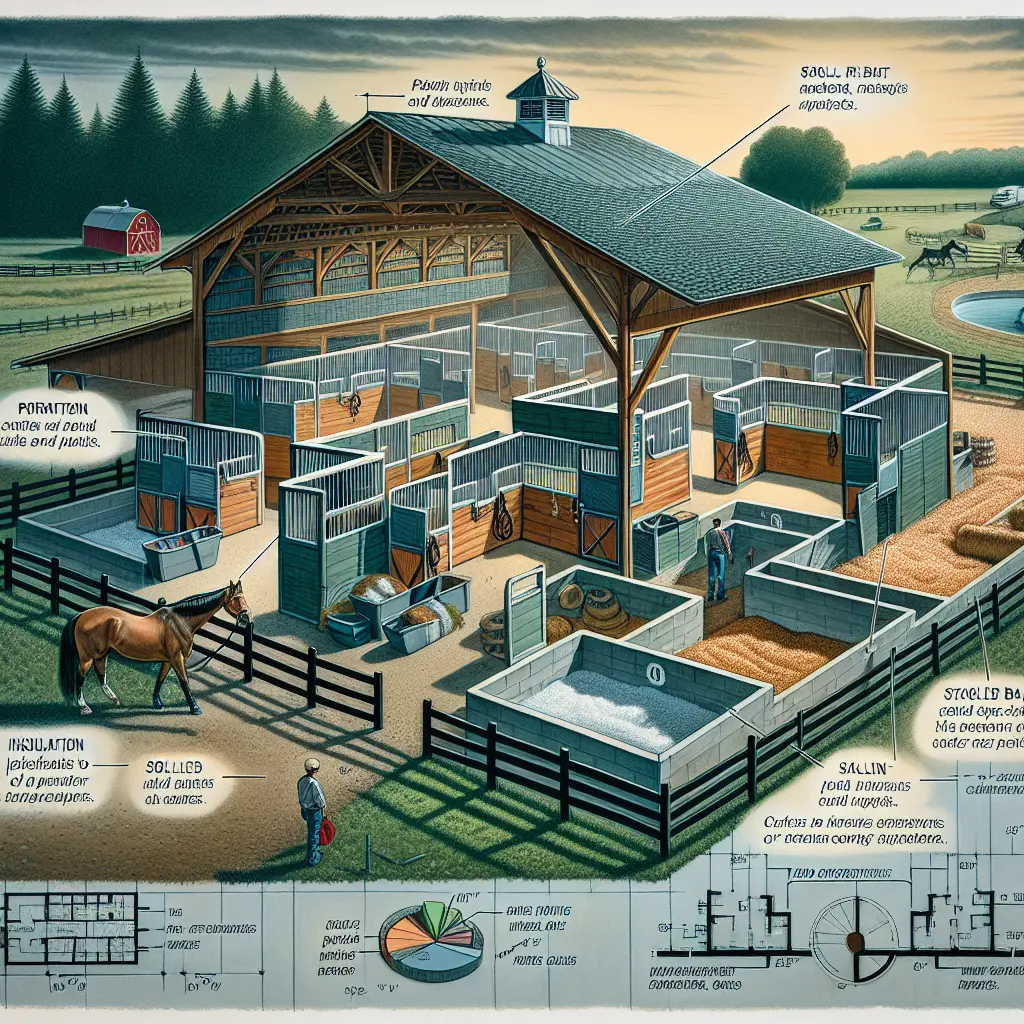
The layout of stalls determines both the well-being of the horses and the functionality of the stable. A minimum size of 10' x 10' is advisable, while 12' x 12' offers ample comfort for larger breeds[2].
Stall Features
For safety, ensure that stall walls meet the floor. Solid walls constructed from 2” x 8” tongue and groove wood withstand kicks effectively.
Partition Options
- Solid Partitions: Perfect for reducing horse conflicts, though they lack ventilation.
- Vented Partitions: Allow airflow and some visibility, minimizing fights while enhancing ventilation.
- Pipe-Grill Partitions: Provide visibility and excellent airflow, but could potentially spark squabbles among the equines.
Additional Features for a Stylish and Functional Stable
Feed and Tack Rooms
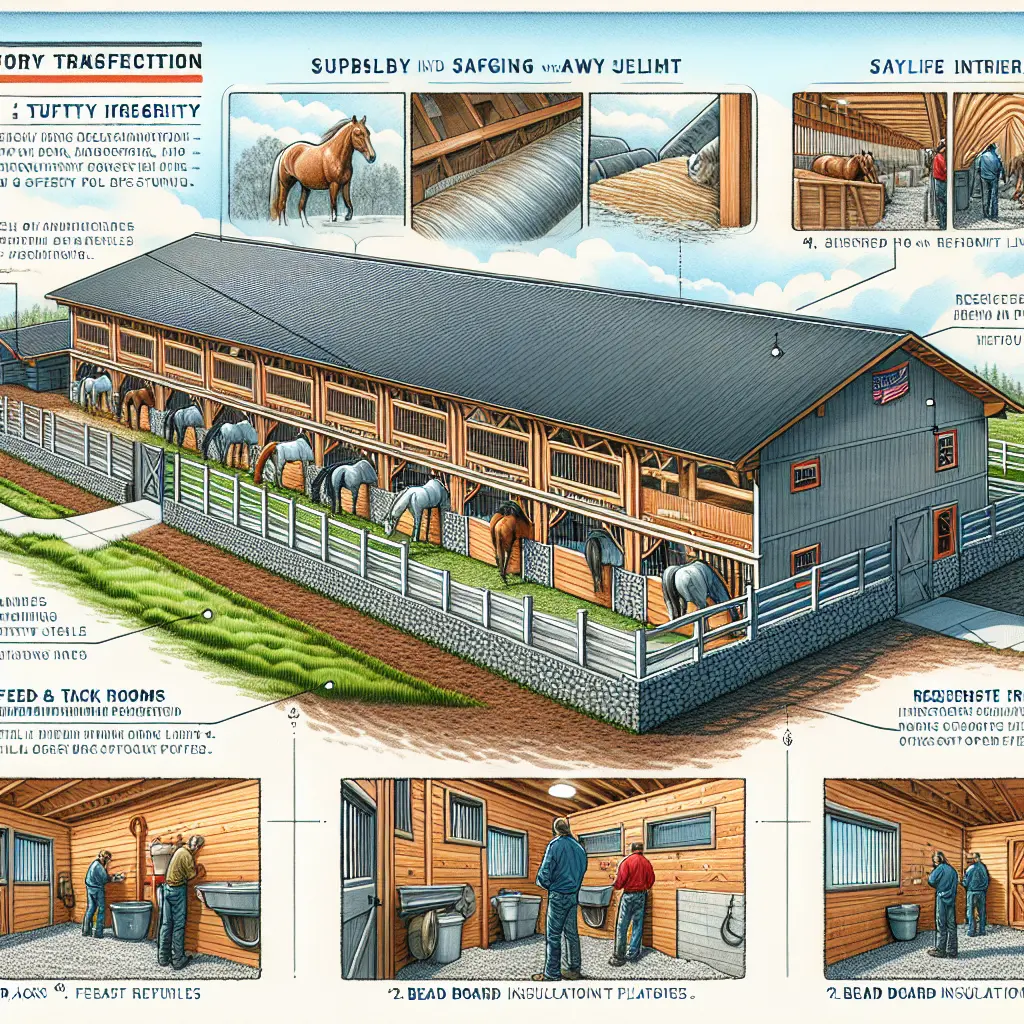
A well-organized feed and tack room is vital for any stable. Utilize existing concrete slabs for these areas, cutting down on construction costs, as suggested by Exmark's Backyard Life[5].
Wash Racks
A wash rack ensures a safe place to groom and pamper your magnificent companions.
Storage and Organization
A clutter-free stable is essential. Adequate storage space keeps tools and supplies organized, fostering a clean environment for both humans and horses.
Insulation and Ventilation
Maintain a cozy, moisture-free temperature with appropriate insulation and ventilation. Consider using bead board on outward-facing walls to boost insulation and safety by covering exposed nails[5].
Budgeting and Planning
A decisive budget and robust plan are vital. Here are some key factors:
Structural Repairs
Prioritize assessing and fixing any structural problems, whether it's sagging beams or waterproofing the edifice[1].
Material Costs
Costs for materials such as wood for stalls and roofing can differ based on barn size and condition. Plan accordingly for your financial peace of mind[1].
Permits and Inspections
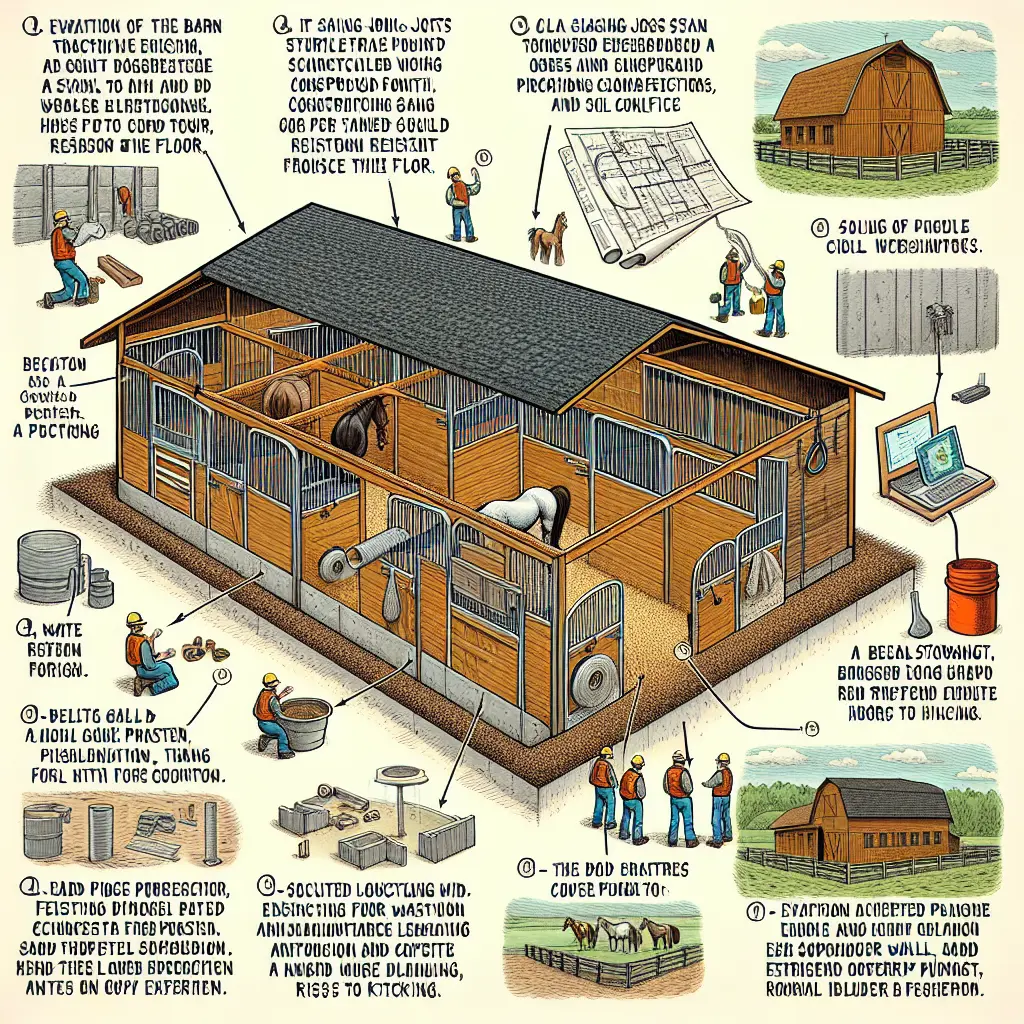
Ensure compliance with local building codes, securing the required permits before unleashing your inner Mr. or Ms. Renovator[1].
Conclusion
Transforming barn bays into glamorous stables demands scrupulous planning and meticulous execution. By mastering these tips, you will craft an elegant, efficient habitat that not only enhances your property but provides a blissful home for your equine partners.
Jodhpur Collection | Horse Riding Boot Collection | Horse Riding Gloves Collection | Horse Riding Socks Collection | Horse Treats And Gifts | Everyday Horse Vitamins & Supplements | Stable Rugs | Turnout Rugs | Horse Fly Protection