

How Does Daylight Savings Affect Riding Schedules and Safety?
When the clocks change for Daylight Savings Time (DST), it impacts more than just your sleep schedule; it also affects riding schedules and safety for cyclists and motorists alike. This phenomenon alters daylight exposure and interacts with human circadian rhythms, influencing how and when people choose to ride.
Impact on Riding Schedules
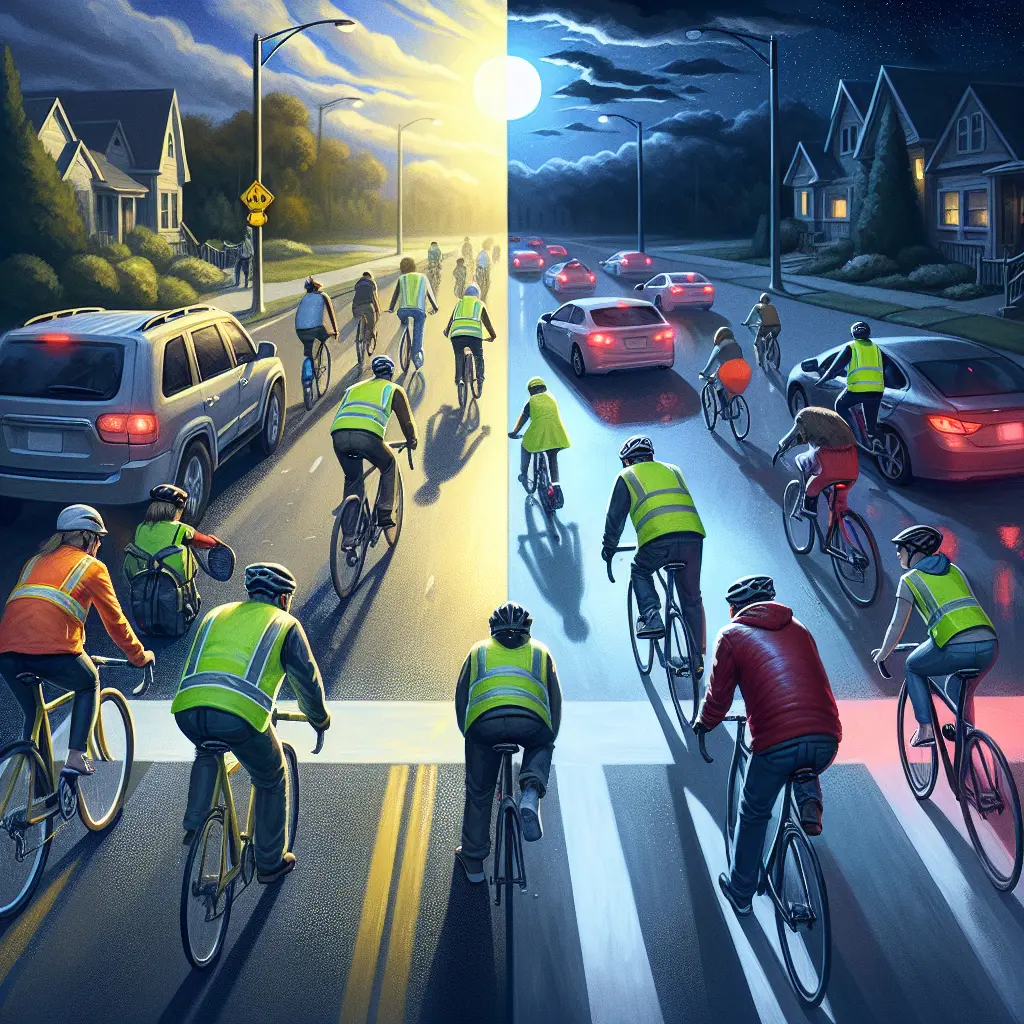
During Daylight Savings Time, clocks "spring forward" in spring and "fall back" in autumn. This alters daylight availability during key commuting times. The impact can be significant:
- **Increased evening daylight during DST encourages more cycling than other times of the year.** A 2022 study highlights that with permanent DST, evening daylight is extended, boosting bicycle traffic by over 3%, particularly for return commutes from work. This spike is noted especially in recreational cycling (source).
- Conversely, **during Standard Time (ST), earlier sunsets contribute to decreased cycling**, as the reduced visibility and increased safety concerns prompt people to forego evening rides. (source).
Effects on Safety
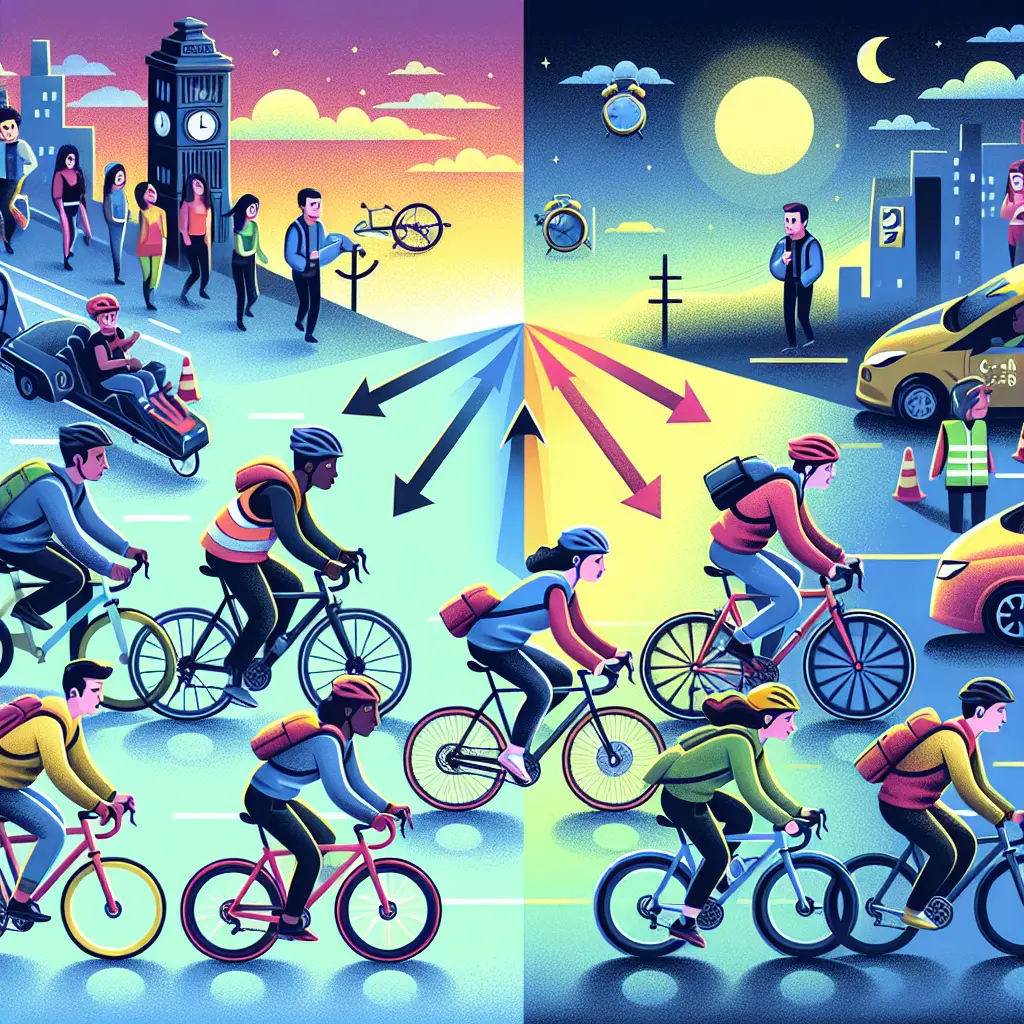
The impact of DST on safety varies considerably between pedestrians, cyclists, and motorists:
- **Pedestrians and cyclists benefit from heightened visibility during morning and evening commutes under DST,** generally resulting in fewer fatal accidents involving these groups. (source).
- **Motorists, unfortunately, may experience an uptick in vehicle accidents post-DST starts.** Data suggests there are 29 more fatal vehicle occupant crashes during these times due to sleep disruption, leading to drowsy or distracted driving. (source).
After the spring shift, average accident rates increase by about 6%, punctuating a noteworthy short-term risk for drivers. (source).
Causes Behind Safety Changes
Two significant factors contribute to the changes in safety during DST transitions:
- **Light conditions:** More daylight equals improved visibility for non-motorized travelers, decreasing accidents. (source).
- **Circadian rhythm disruption:** Without enough sleep, driver alertness suffers, upping the likelihood of crashes. This loss is pronounced post-DST change but less so or even reversed in the fall when an extra hour of sleep is gained. (source).
Recommendations for Riders
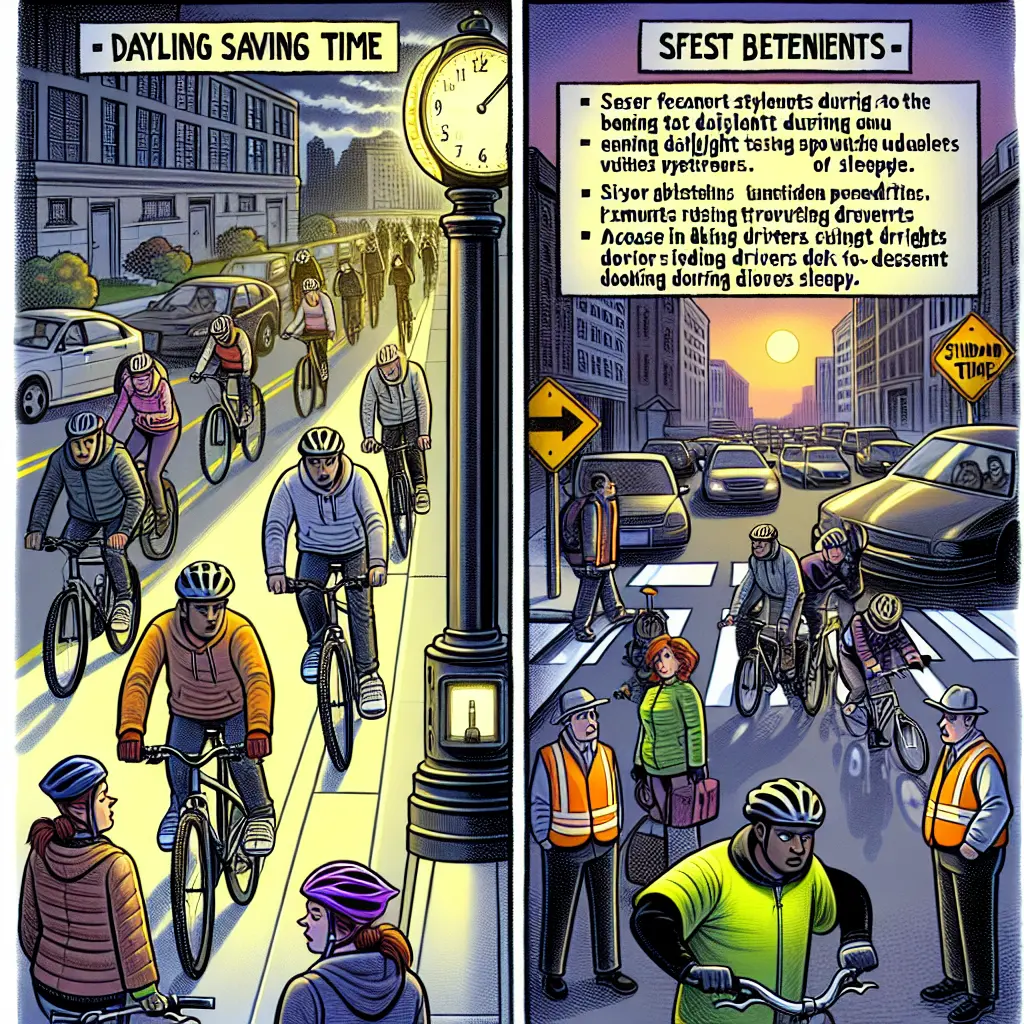
Given these impacts, riders should consider the following adjustments to better align with DST changes:
- Opt for reflective clothing and bright bike lights during dim commuting hours under ST. Glove collections at Just Horse Riders have just what you need!
- Invest in a good bedtime routine,especially post-spring DST. More rest helps fend off the fatigue that contributes to accidents.
- Consider rejigging your schedule to enjoy daylight riding times.
Broader Implications
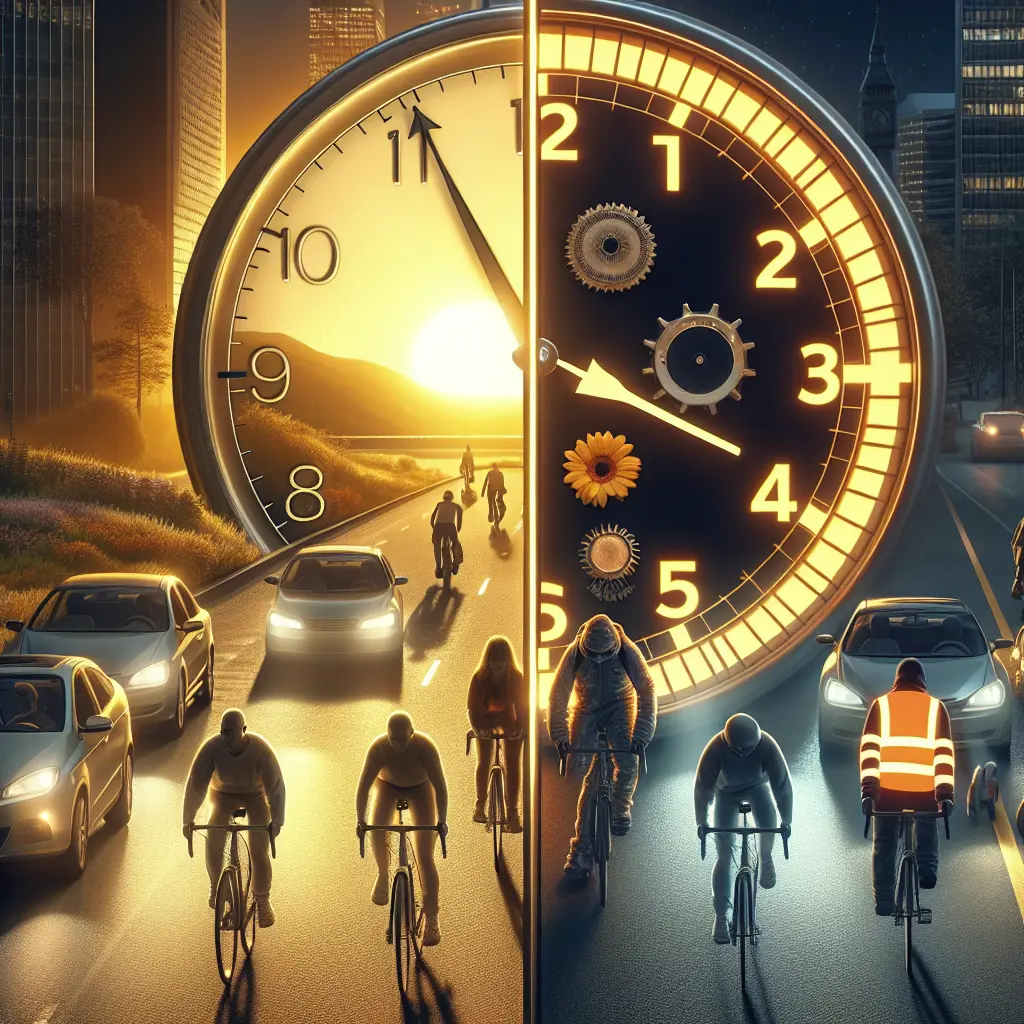
Some research advocates for making DST permanent to improve pedestrian and cyclist safety. Extending DST could prevent over 900 fatal crashes over five years. (source). However, this could keep fatigued drivers at risk if sleep pattern disturbances continue.
Decision-makers and Riders: Improving Safe Travels
The conversation around DST impacts is raising important questions about how best to support safe and enjoyable travel. The balance between increased daylight and better sleep could spell safer commutes for many. Until universal changes occur, consider upping your game on those dark routes!
For fans of a smooth ride, why not explore Just Horse Riders' season offerings? Their jodhpur collection, horse riding boot collection, and horse riding socks come rain, wind, or (better yet) shine!
From entrusting your outfit to equipping your equine friend with stable rugs or turnout rugs, Just Horse Riders keeps you prepared this timezone transition and beyond.