

Understanding Equine Behavior Changes: What to Do When Your Horse Changes After Joining a New Herd
Introducing a horse to a new herd can be a both exciting and challenging experience for horse owners. Horses, as social creatures, thrive in herd settings, but integrating a new member can dramatically change dynamics and cause noticeable shifts in behavior. It’s essential to understand these changes and learn effective ways to address them for the welfare of the entire herd.
Why Horses Change Behavior in New Herds
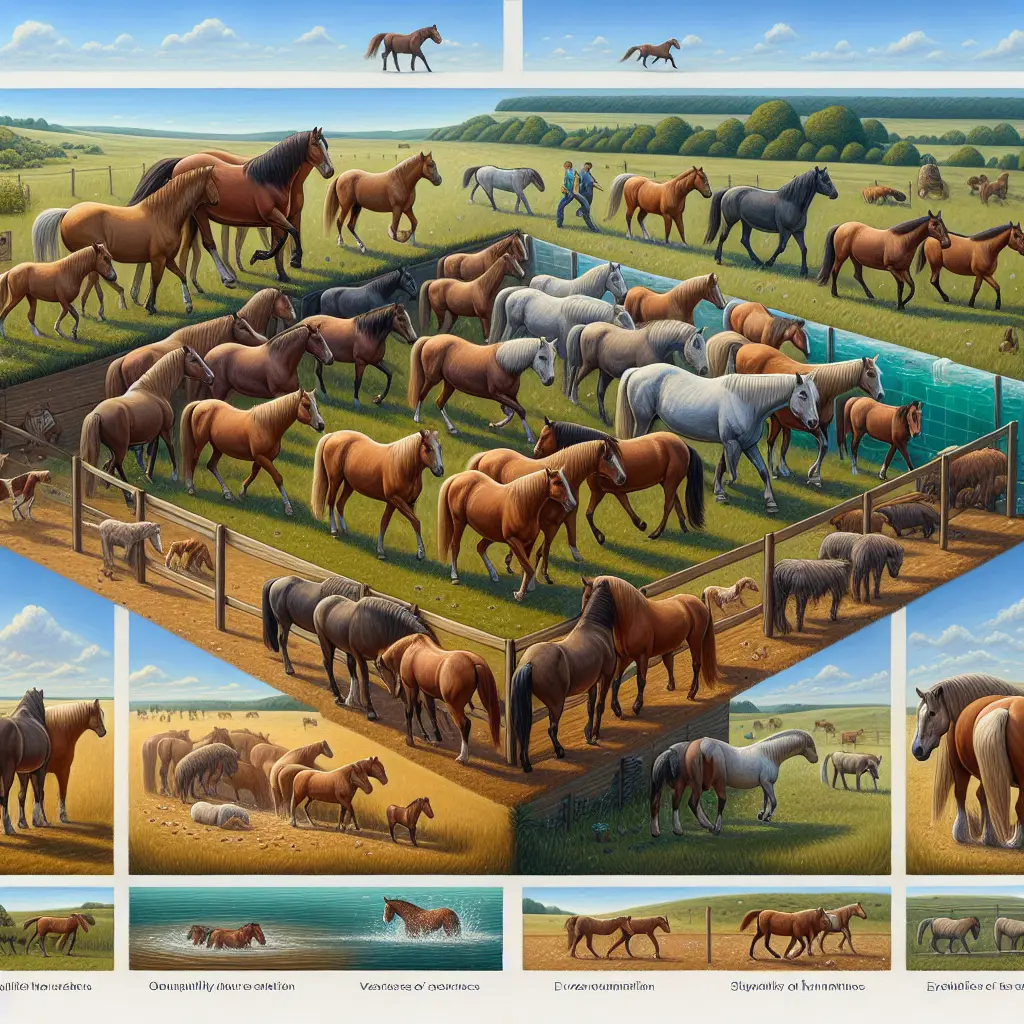
When a new horse joins an existing herd, the established social hierarchy is temporarily thrown into chaos. Horses are keenly aware of hierarchy, establishing ranks that dictate each member's role. The arrival of a newcomer disrupts these roles, leading to stress among the herd members as new social bonds are forged and roles redefined. According to Equus Magazine, this change is a natural part of equine social structures.
Key Factors Influencing Behavior Changes
Herd Size and Dynamics: Larger herds may overwhelm a new horse accustomed to smaller groups, while smaller herds may foster over-attachment between horses. Ensuring a balance becomes crucial for stable social dynamics (Horse Illustrated).
Resource Availability: Limited resources such as food, water, or space can heighten competition and trigger aggression within the herd. Ensuring plenty of resources can mitigate these responses.
Temperament and Past Experiences: Individual personalities and past experiences play a significant role in adaptation. Some horses may exhibit dominance, while others might show submissiveness or anxiety (TheHorse.com).
Managing the Introduction Process
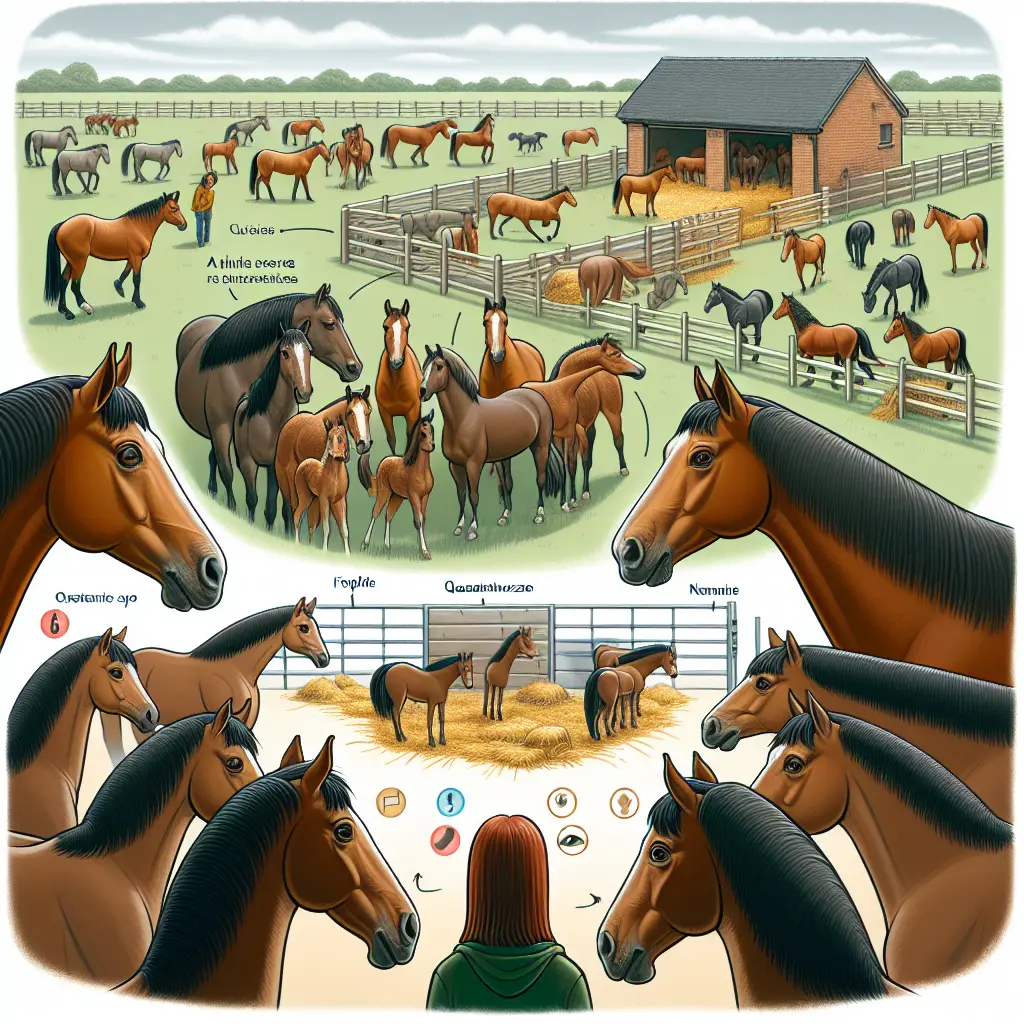
Successful integration of a horse into a new herd hinges largely on a planned and gradual introduction process. A strategic approach can significantly reduce the tension and stress associated with the transition.
Step-by-Step Introduction Guide:
- Quarantine and Acclimation: Isolate the newcomer for a period of one to two weeks. This step is vital for preventing disease transmission and allowing the horse to acclimate to its new surroundings (Julie Goodnight).
- Initial Meetings: Facilitate meetings with one or two friendly horses from the herd without any physical barriers. This allows the newcomer to form initial bonds and establish at least one ally.
- Gradual Integration: With initial bonds in place, introduce the new horse to the rest of the herd in a spacious area rich with resources to diminish competition for essentials (TheHorse.com).
- Monitor and Manage Aggression: Keep an eye on aggressive behaviors and manage accordingly. Separating dominant horses temporarily can assist the integration process.
- Post-Introduction Care: Closely monitor every member for signs of stress and ensure the availability of multiple feeding stations to deter conflicts over food resources (Horse Illustrated).

Addressing Common Behavioral Issues
The behavioral alterations seen immediate after a horse joins a new herd can vary widely. Two primary issues often observed are herd-bound behavior and heightened anxiety.
Herd-Bound Behavior
This behaviour occurs when a horse becomes overly attached to a particular herd member, manifesting due to stress or insecurity. If left unaddressed, this attachment can interrupt training sessions and activities.
One solution is to gradually separate the horse from its companion during training. This strategy encourages focus on the handler and can be supported by offering positive reinforcement to calm its nervousness during separation (Chronofhorse Forum).
Anxiety and Stress
Changes in routine and environment can cause increased levels of anxiety. Enacting a predictable routine and ensuring consistent human interaction helps mitigate these fears. Providing environmental enrichment serves as another method to provide security and comfort (Horse Illustrated).

Conclusion
Joining a new herd can mean dramatic shifts in a horse's behavior. By understanding the social dynamics and following a meticulous introduction strategy, it’s possible to minimize stress and ensure harmonious integration for all herd members. This process requires patience and sensitivity, as ensuring all horses are comfortable is the best way to foster a healthy and cohesive environment. For more horse riding equipment and general care, visit our collection of stable rugs or check out our other horse riding accessories.