

Exploring the Shift: Why Winter Turnout for Horses is Becoming Less Common
For many years, winter turnout has been a traditional practice for horse owners, providing horses with opportunities to maintain both their physical and mental health through outdoor exercise and social interaction. However, recent trends suggest that this practice is becoming less common. The shift can be attributed to several factors, including advancements in equine care, changes in climate, and increased awareness of specific horse health needs. In this comprehensive guide, we will explore these factors and discuss why winter turnout for horses is becoming less prevalent.
Advancements in Equine Care and Facilities
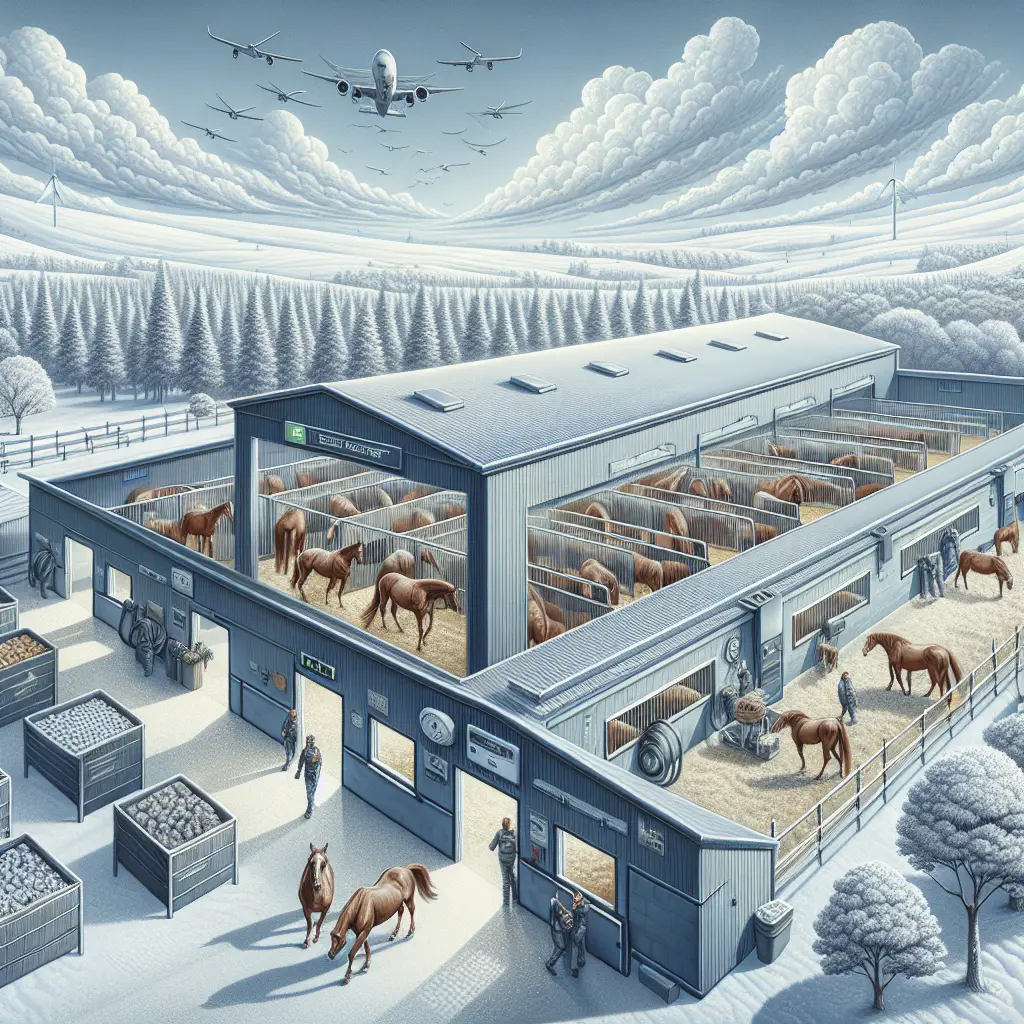
One of the primary reasons for the decline in winter turnout is the improvement in equine care facilities and the availability of advanced indoor living conditions. Modern stabling often includes features such as climate control, improved ventilation, and advanced bedding options, which provide a more comfortable and healthier environment for horses during the colder months. This shift towards more controlled environments is driven by the recognition that horses can thrive indoors if provided with the right conditions.
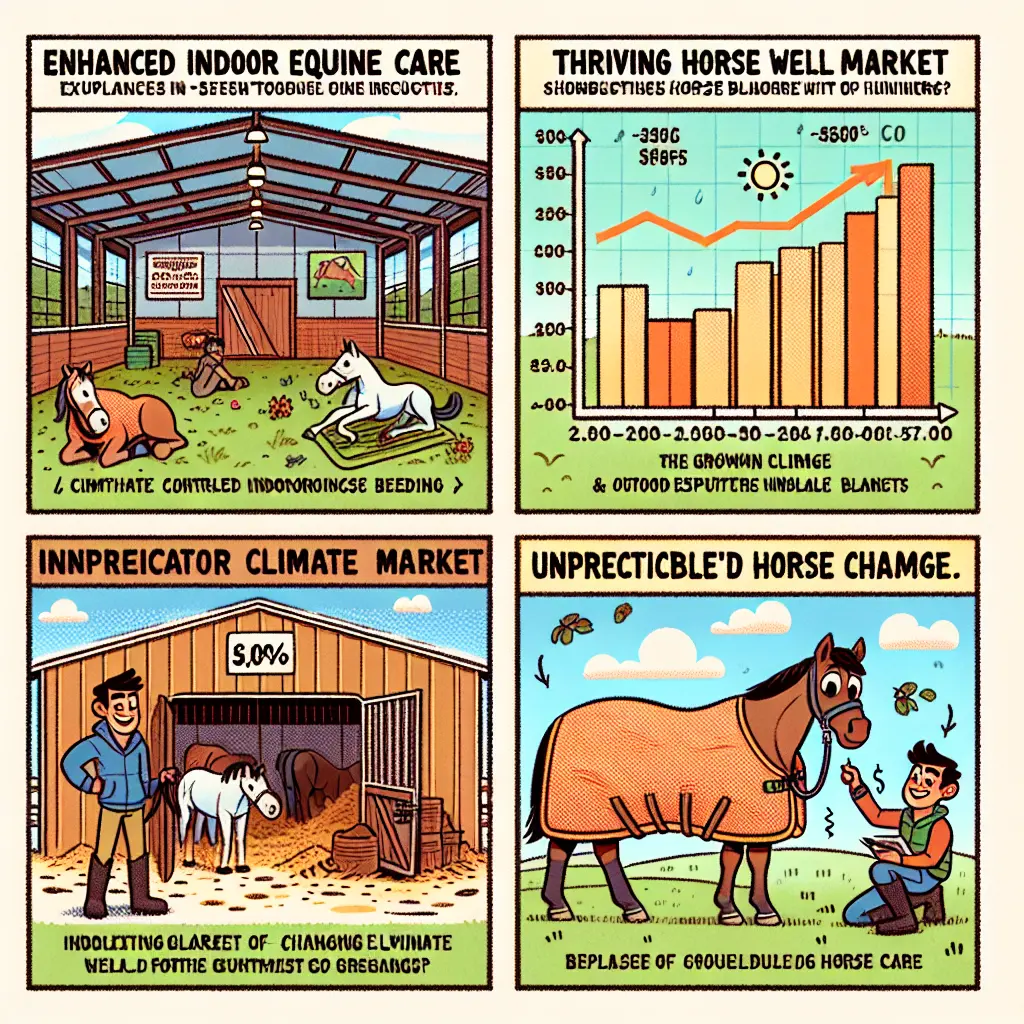
 The global horse blanket market is growing, with an estimated worth of USD 0.53 billion in 2024, expected to reach USD 0.72 billion by 2033. This growth indicates an increased focus on equine comfort and warmth, suggesting more emphasis being placed on indoor care solutions. An interesting read on the Global Horse Blanket Market can provide further insights into this trend.
Climate Change and Weather Extremes
 Climate change has led to more unpredictable and extreme weather conditions, making outdoor turnout less reliable. Horses may struggle with both the harsher winters and hotter summers, requiring more protective measures. For instance, horses are often kept indoors during extreme cold snaps or heatwaves to ensure their safety and health. This pattern is consistent with broader challenges faced by the equine industry due to climate change.
Health Considerations in Turnout Decisions
Full-time turnout is beneficial for many horses, especially young growing horses, as it supports bone density and can help with joint stiffness and respiratory issues. However, it requires ample space and frequent pasture rotations to maintain pasture health. In the winter, when pastures are less lush, ensuring sufficient nutrition and avoiding overgrazing becomes a challenge.
Night Turnout: A Viable Alternative
Night turnout is an alternative that offers benefits similar to full-time turnout while allowing horses to stay inside during harsh weather conditions. However, it is not suitable for all horses, particularly those requiring close supervision. This method might work well for some, but owners need to consider specific needs and environmental conditions.
 The decision to reduce winter turnout is also influenced by the specific needs of individual horses. For example, horses with metabolic concerns may benefit from night turnout due to lower grass sugar levels during cooler nights. More detailed information on how turnout impacts horses can be found in the Mad Barn Guide to Turnout for Horses.
Market Trends and Demand
The equine industry is experiencing significant growth, with the U.S. Horse & Other Equine Production industry projected to reach $2.5 billion by 2025. This reflects a strong demand for equine services and products, but it also highlights the challenges in meeting this demand while ensuring the welfare of horses. To keep up with this burgeoning market, take a look at the Global Growth Insights on the Equestrian Apparel Market.
Conclusion
The shift away from winter turnout for horses is driven by a combination of factors, including advancements in equine care, climate change, and health considerations. As the equine industry continues to evolve, prioritizing the welfare and individual needs of horses will remain crucial. By understanding these trends and adopting more tailored approaches to horse care, owners can ensure their horses receive the best possible care during all seasons.
In summary:
- Advancements in stabling and care influence the reduction in winter turnout.
- Climate change impacts the feasibility and safety of outdoor pastures.
- Specific health needs necessitate careful consideration of turnout approaches.
- The market grows with innovations and tailored offerings for better equine living.
For those interested in more practical equestrian products, explore our Jodhpur Collection, Horse Riding Boot Collection, or check out Horse Riding Socks Collection for a touch of comfort and style.
Keep your equine friends happy and healthy this winter, even if they're staying indoors!