

Deciding to Buy a Horse: What to Consider When Emotions Clash with Practicality
Embarking on the journey to purchase a horse can be a thrilling adventure, coated with dreams of galloping through vast landscapes or gracefully competing in arenas. However, it's crucial to balance this emotional allure with practical considerations to ensure a harmonious partnership between you and your potential steed.
Understanding Your Motivations
Before setting off on your equestrian quest, take a moment to ponder why you're buying a horse. Whether you're seeking companionship, a leisurely riding partner, or aiming for competitive glory, clarifying your goals will aid in focusing on the right type of horse and prevent impulse buys.
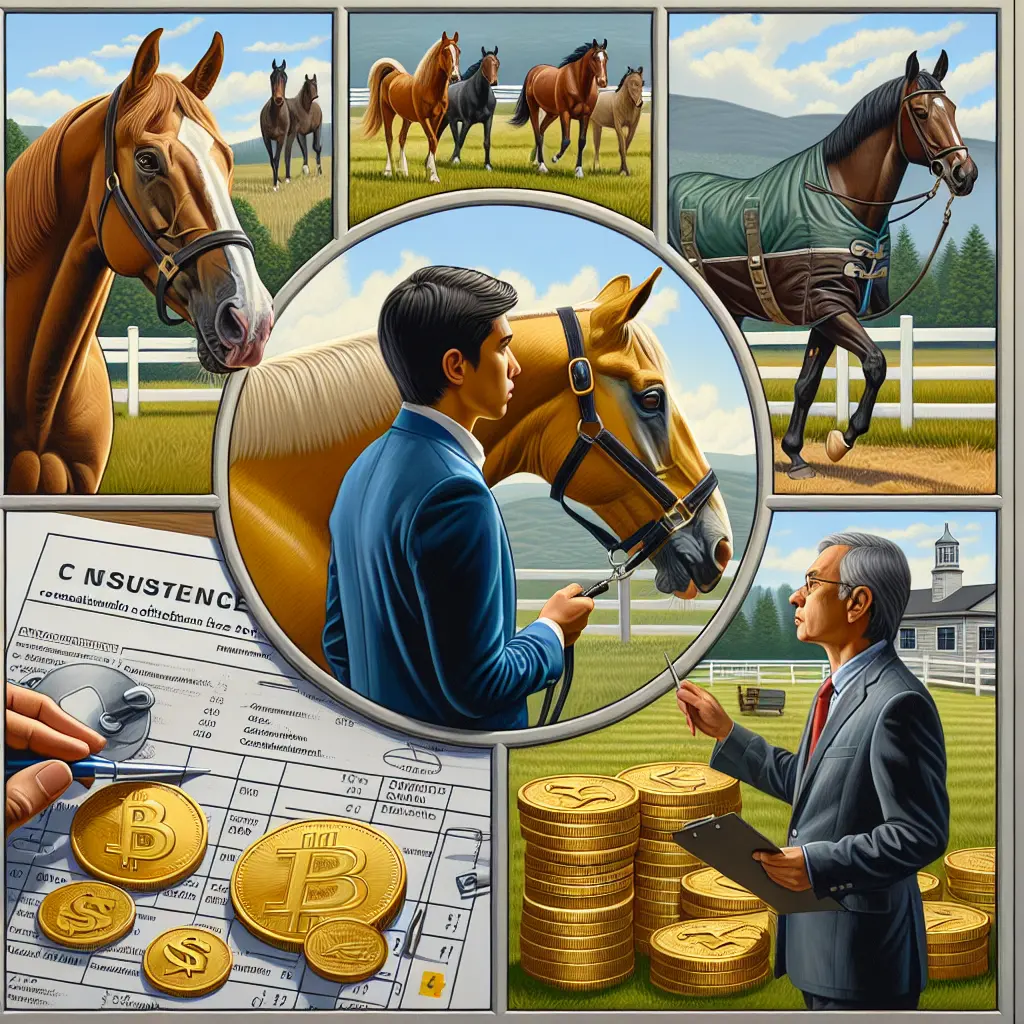
Key Factors to Consider
1. Temperament and Compatibility
A horse’s temperament and its compatibility with your personality are paramount for a successful relationship. Beginners might find solace in calm horses that can handle a bit of nervousness and inexperience.
Temperament
Calm and trained horses often make ideal companions for new riders. They tolerate novice riders well, aiding in building confidence.
Compatibility
It's essential to ensure that the horse’s temperament matches your own. If you’re a calm rider, you’d be better off with a calm partner, while those with more experience may enjoy a spirited horse.
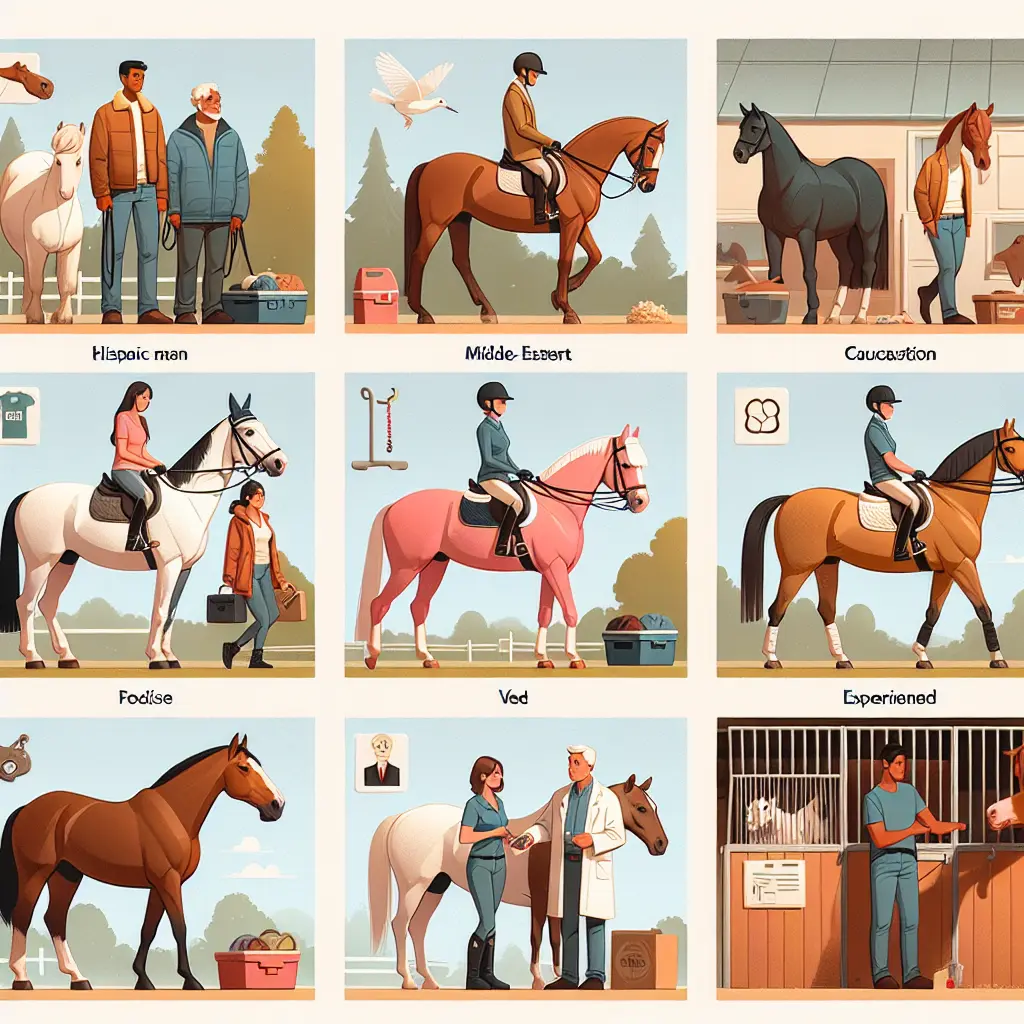
2. Breed and Discipline
The breed and riding discipline greatly influence your horse choice. Different breeds excel in different riding forms, so choose based on your aspirations.
Breed
Thoroughbreds and Warmbloods are renowned for English disciplines such as dressage, while Quarter Horses are cherished for Western riding styles.
Discipline
Should competition allure you, seek horses experienced in your chosen discipline. Matching the horse's skills with your riding style is paramount.
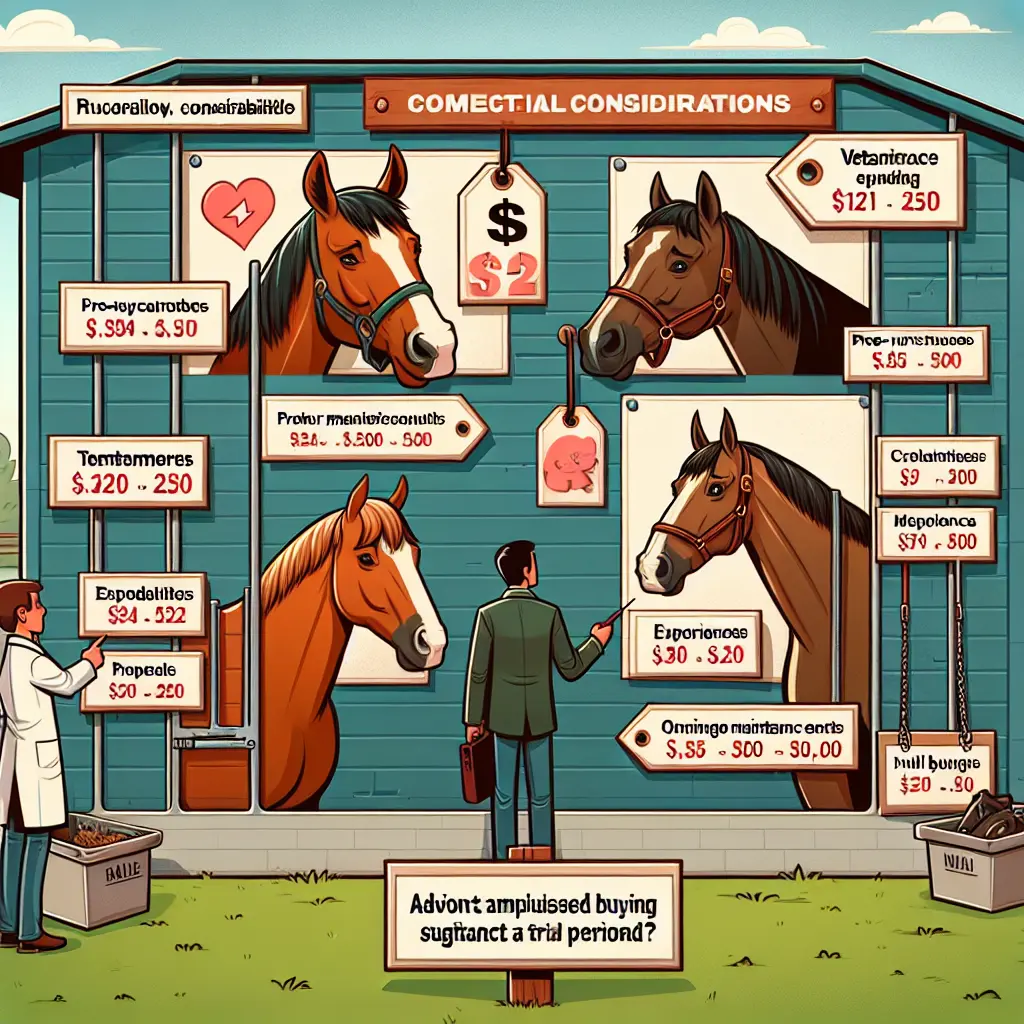
3. Age and Experience
Age is more than just a number when it comes to horses. Typically, older horses are better suited for novices, given their extensive handling experience and reduced need for training.
Age
Seasoned riders may opt for younger horses, but if you’re new to the game, an elder statesman of the equine world might be a better option.
Experience
Ensure the horse’s experience aligns with your expertise. A novice rider with an equally inexperienced horse spells potential disaster.

4. Size and Rider Compatibility
Size matters! A horse’s build must correlate with the rider’s, ensuring comfort and safety for both.
5. Financial Considerations
Money, money, money... it’s a horse's world. From initial purchase prices to ongoing upkeep, expenses climb quickly. Make sure your wallet’s ready for the equestrian world.
The initial cost is just the beginning; monthly care, feed, vet checks, and accessories such as supplements can stretch any budget.6. Pre-Purchase Exams
Vital in any horse purchase, a pre-purchase exam ensures you’re investing in a healthy, sound horse. Look out for lameness issues and ensure up-to-date vaccinations.
7. Environmental Considerations
Your horse's living conditions are crucial to their well-being. With at least an acre of turnout area needed, providing a comfy stable with ample room is essential. Larger horses, for example, thrive in stalls of at least 12ft x 14ft.
Balancing Emotions with Practicality
As your heart races at the idea of a new horse, remember to stay grounded. In any horse-buying decision, balancing excitement with a practical approach ensures success.
Seek Professional Advice
An experienced advisor can offer invaluable insights, providing an objective evaluation during horse viewings.
Avoid Impulse Decisions
Patience is key. Resist those spur-of-the-moment urges and take your time to reflect before making the purchase.
Consider a Trial Period
Where feasible, a trial period allows you to test the waters with your potential four-legged friend, revealing if the partnership truly clicks.
Reaching the finish line of this decision-making process requires juggling both heart and head, ensuring a fit that's both emotionally fulfilling and directly aligned with your lifestyle. Enjoy the ride, and may your new equine companion bring you many years of joy and adventure!