

When a Saddle Fitting Goes Wrong: The Importance of Trusting Your Instincts with Equestrian Gear
Equipping your horse with the right gear is essential, much like choosing the right pair of shoes for a marathon. Without it, discomfort, poor performance, and potential health issues arise. Properly fitted saddles are central to both the rider's enjoyment and the horse's wellbeing. However, trusting your instincts when it comes to equestrian gear, particularly saddle fitting, is paramount. Let's explore why.
The Prevalence of Poor Saddle Fit

Believe it or not, studies reveal a significant number of saddles aren't fitted correctly. In a study of 193 saddles, 78% posed potential risks to horse performance. Common issues included overly tight tree points, low pommels, and uneven saddle contact. An astonishing 67% resulted from tree points being too tight, while 21% had a pommel sitting too low on the horse's withers [source].
The Disparity in Perception vs. Reality

A study in Switzerland found 90% of the 196 saddles examined were sub-optimally fitted, even though 95% of owners believed their saddles were perfect [source]. This gap illustrates the necessity for professional evaluation.
The Impacts of Poor Saddle Fit
Saddle issues can unleash severe consequences on equine health, triggering pain or lameness and dwindling performance. In fact, saddles with incorrect fit correlate with hindlimb lameness and gait abnormalities [source]. Back pain in horses, hindering their overall well-being, is another grievous outcome [source].
Trusting Your Instincts and Listening to Your Horse
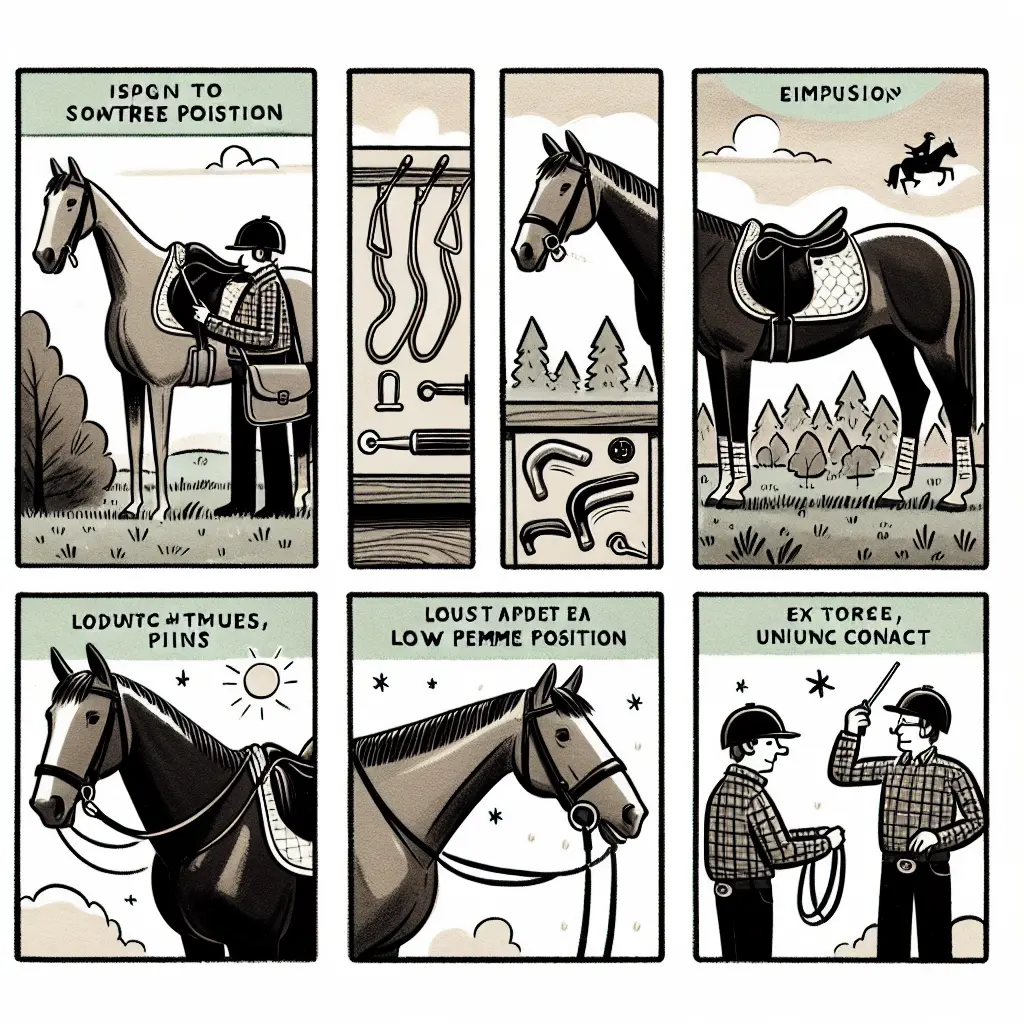
Your horse is quite the conversationalist—maybe not verbally, but behaviorally. Discomfort or mounting resistance can be a cry for help, suggesting a misfit or other issues. Providing your horse with the right Equestrian Supplements may also support their overall health amid saddle transitions.
Regular Checks: The Need for Continuous Assessment
Regular checks safeguard against poorly fitted saddles. You don't have to own a tech-degree to perform these! Ensuring enough clearance between the pommel and your horse's withers can be an effective preventive measure [source].
The Professional Touch: Seeking Expert Advice
Advocating for specialist involvement can make all the difference on your saddle fitting journey. From static to dynamic assessment—where saddle fit is evaluated during movement—professional input is invaluable [source].
Dynamic Saddle Fit Assessment

Dynamic assessment often reveals fit issues invisible during stillness. By viewing both horse and saddle in motion, you're ensuring a perfect symbiosis for you and your horse in real-world riding conditions [source].
Corrective Measures and Actions
If saddling issues persist, take decisive action to protect your horse's welfare. From professional consultation to necessary adjustments or alterations, a tailored approach may warrant replacing your saddle altogether.
Exploring Corrective Steps
Start by engaging a qualified saddle fitter. Their assessment and advice can influence modifications and alterations necessary to optimize fit. Wholesale changes may be done to guarantee harmony between horse and saddle [source].
In unsalvageable cases, embrace a new saddle crafted with your horse's needs in mind. For instances when you're seeking the perfect fit, our various collections including the Jodhpur Collection, Everyday Horse Vitamins & Supplements, and our curated Horse Treats And Gifts can be useful resources.
Final Equine Thought
Ultimately, your aim is to foster a partnership with your horse, not just to secure a gear. By blending instinctive understanding with professional advice, you can avoid discomfort and enhance performance, all while nurturing a more enjoyable riding experience.
Conclusion
A well-fitted saddle is not merely gear—it's a bridge to harmony between horse and rider. Listening to your instincts, seeking expert advice, and committing to regular checks create a safer and more joyful journey for all involved. Explore Just Horse Riders for more resources, and let your equestrian experience be both gratifying and successful.