
Horse Boots & Bandages
Protection for every stride.
Brushing, overreach, tendon and travel boots plus bandages — matched to the job, sized pony to full.


Horse Boots & Bandages
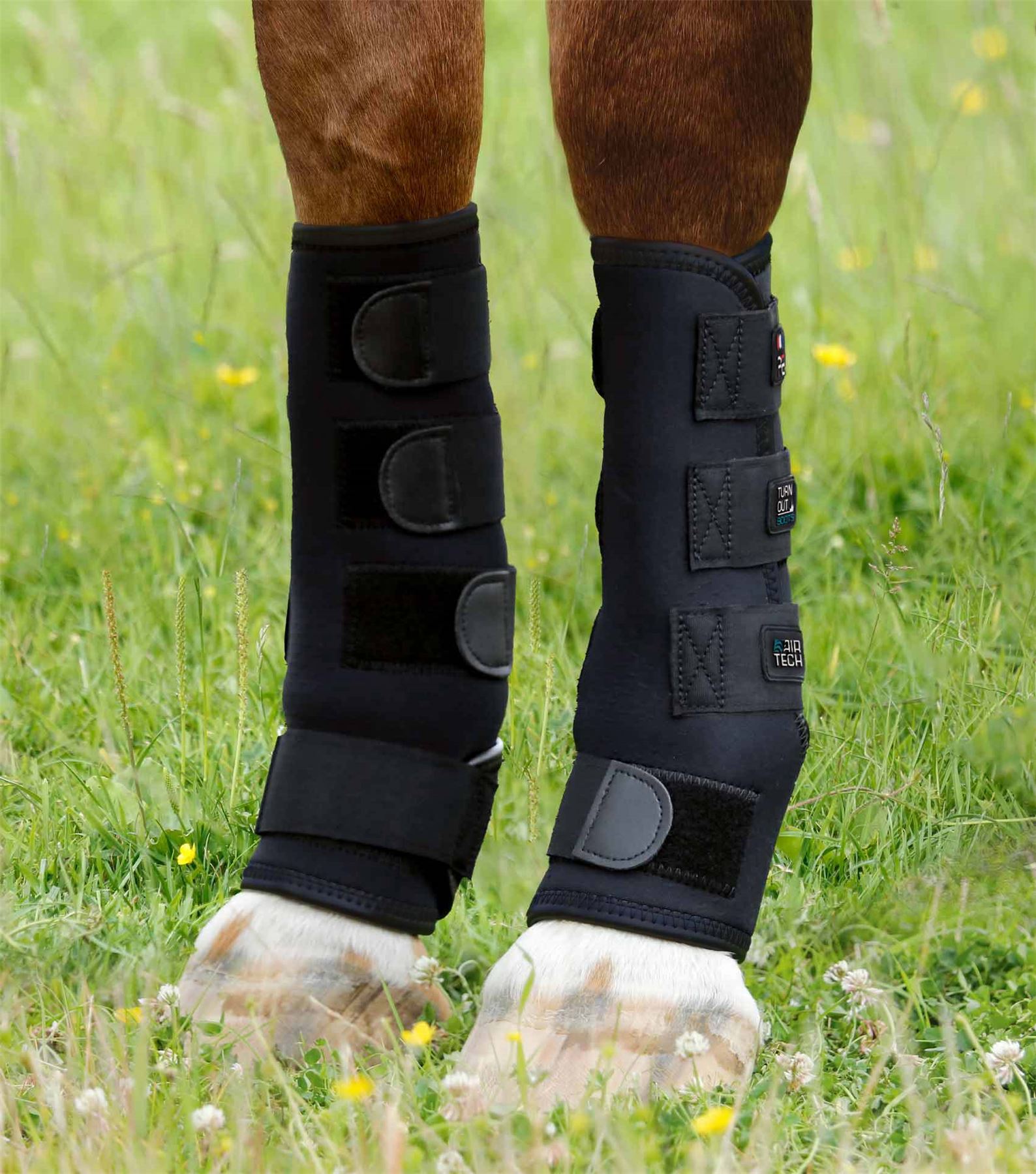
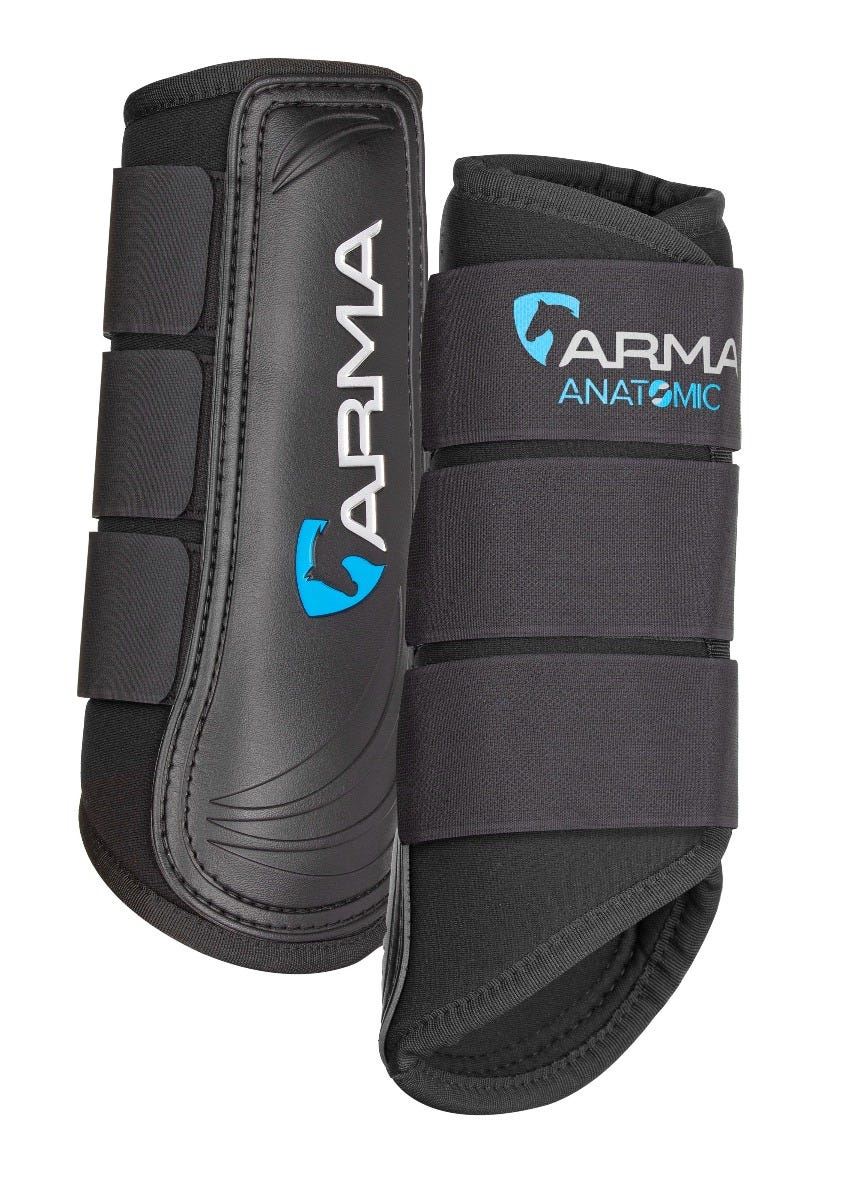
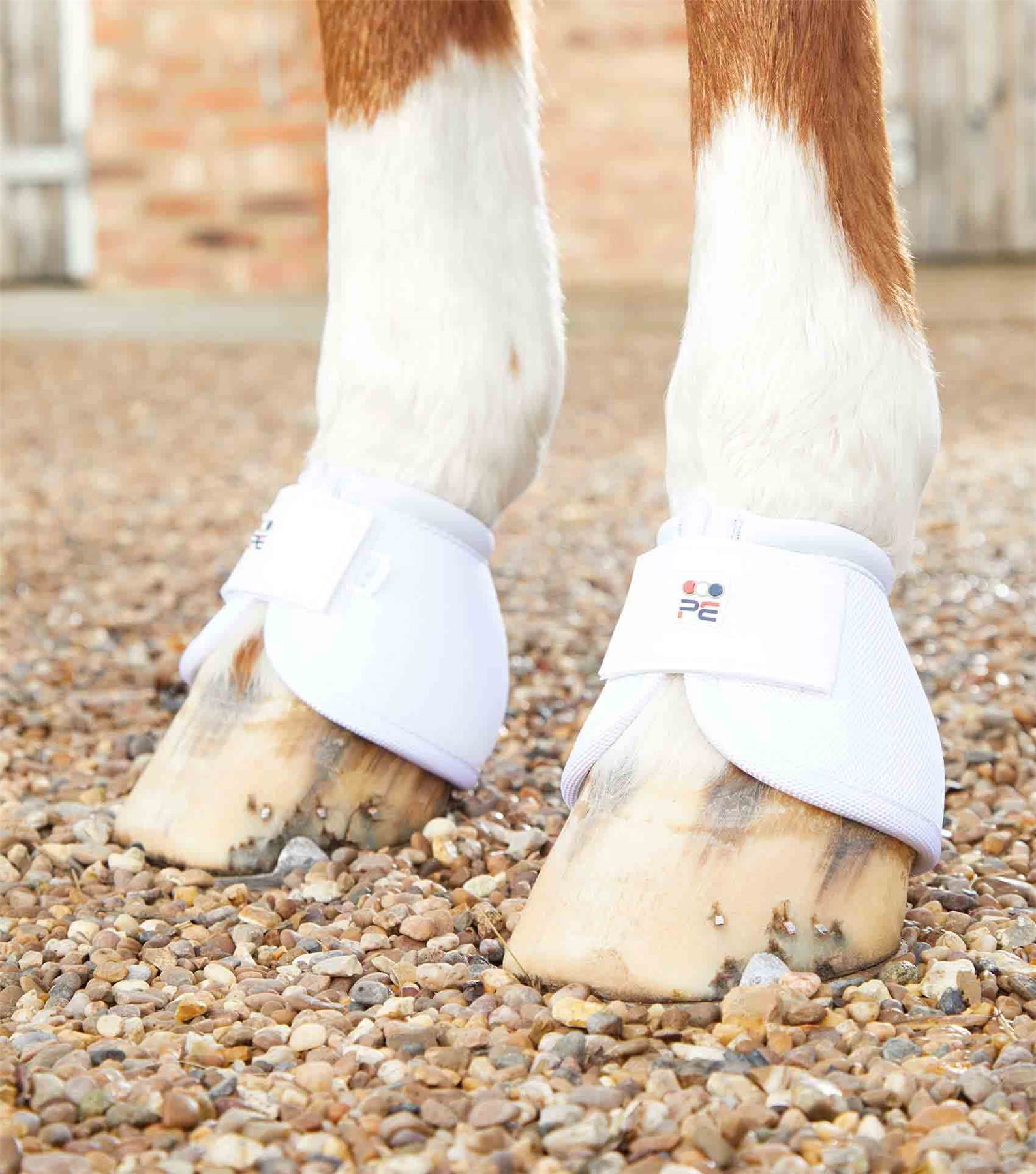
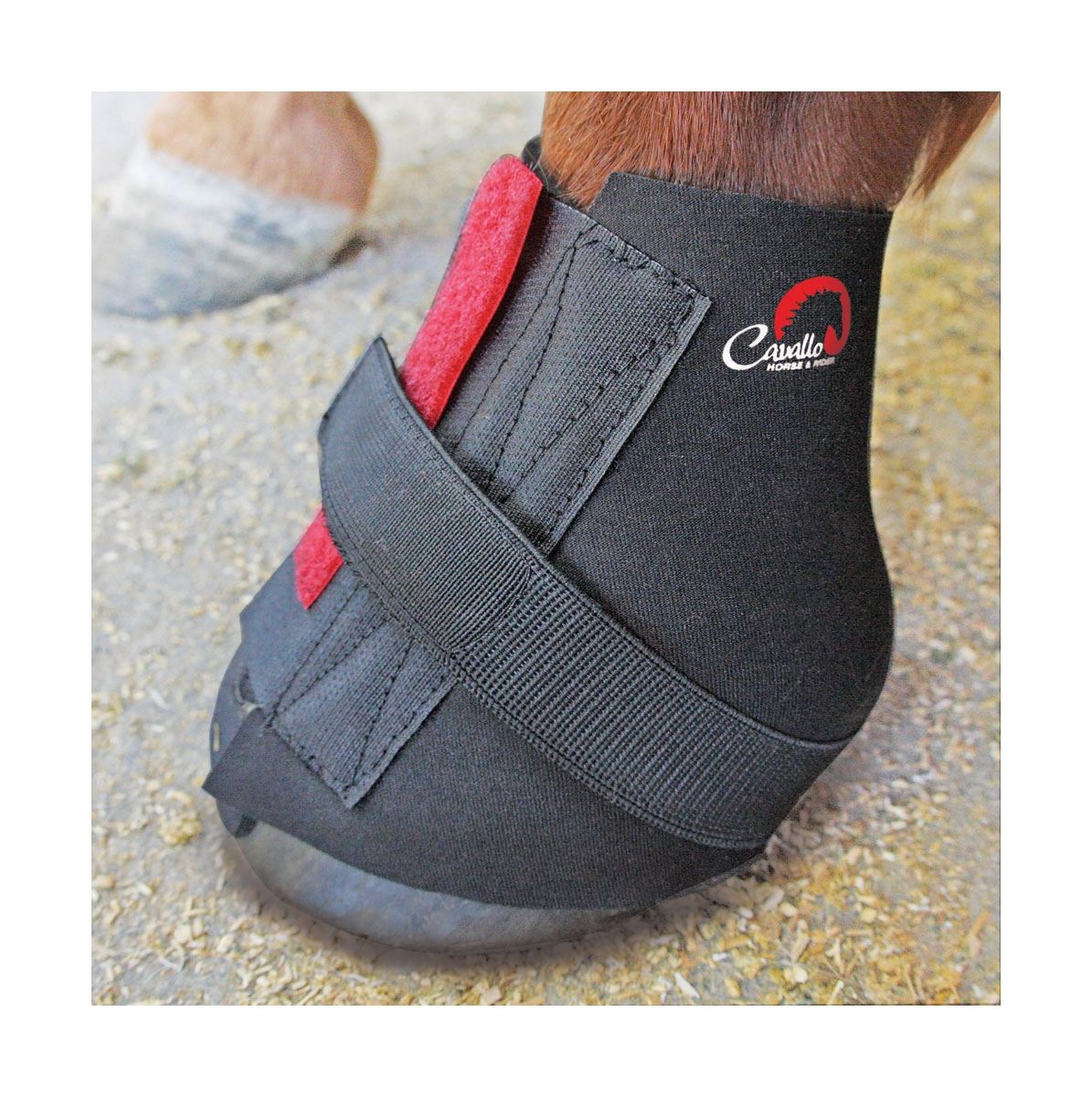
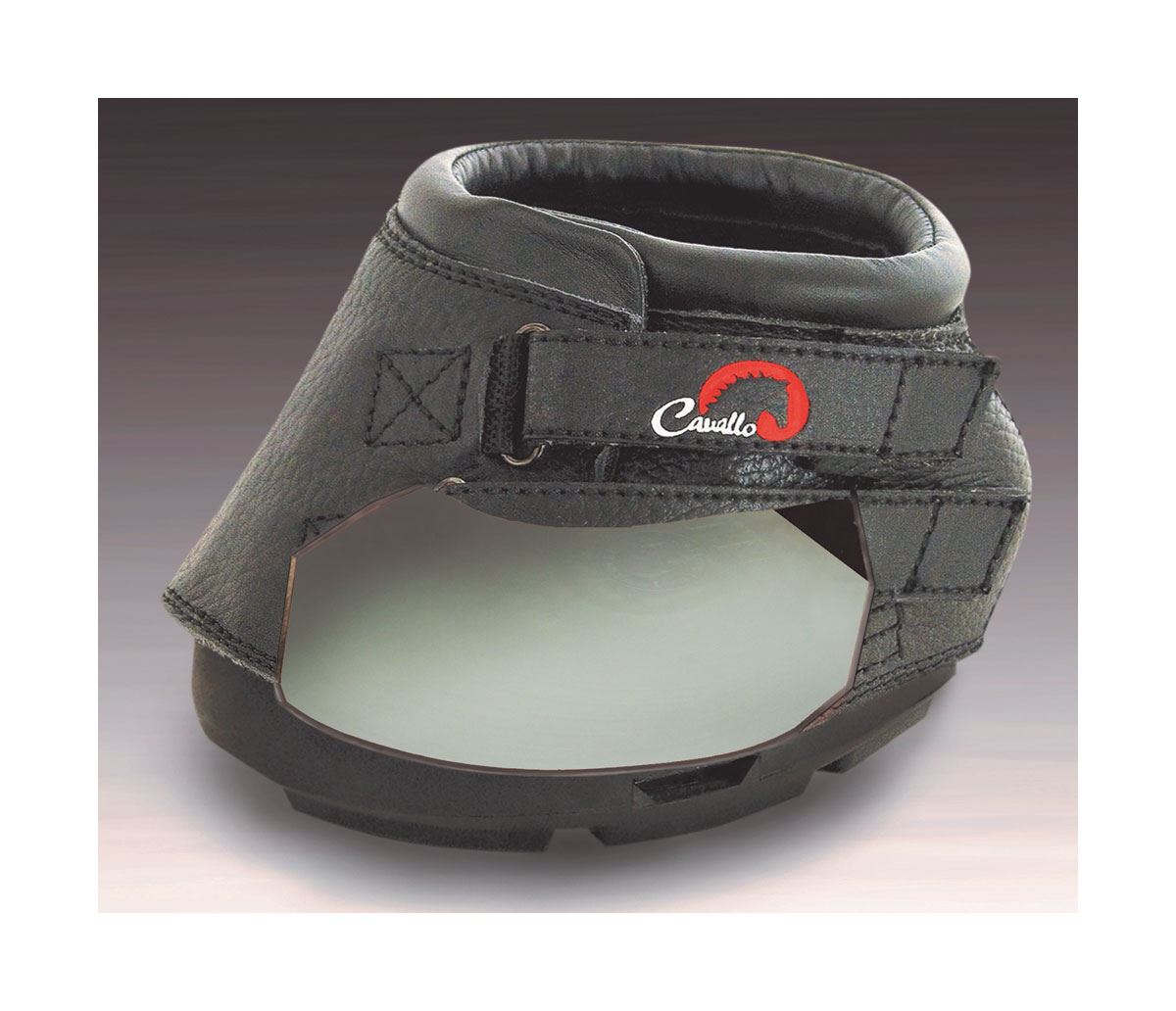

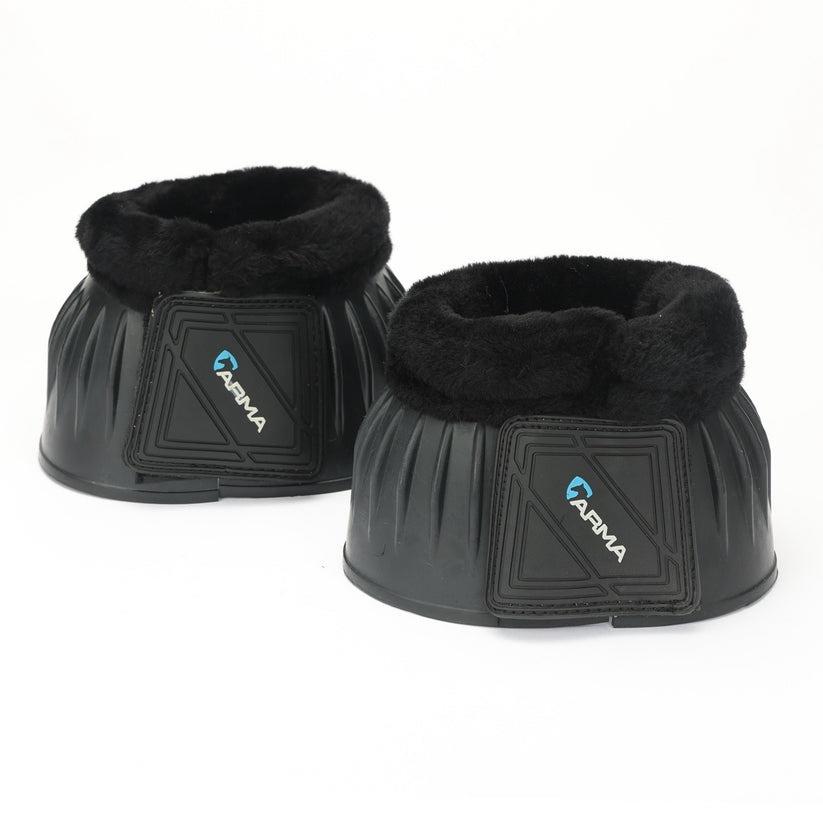

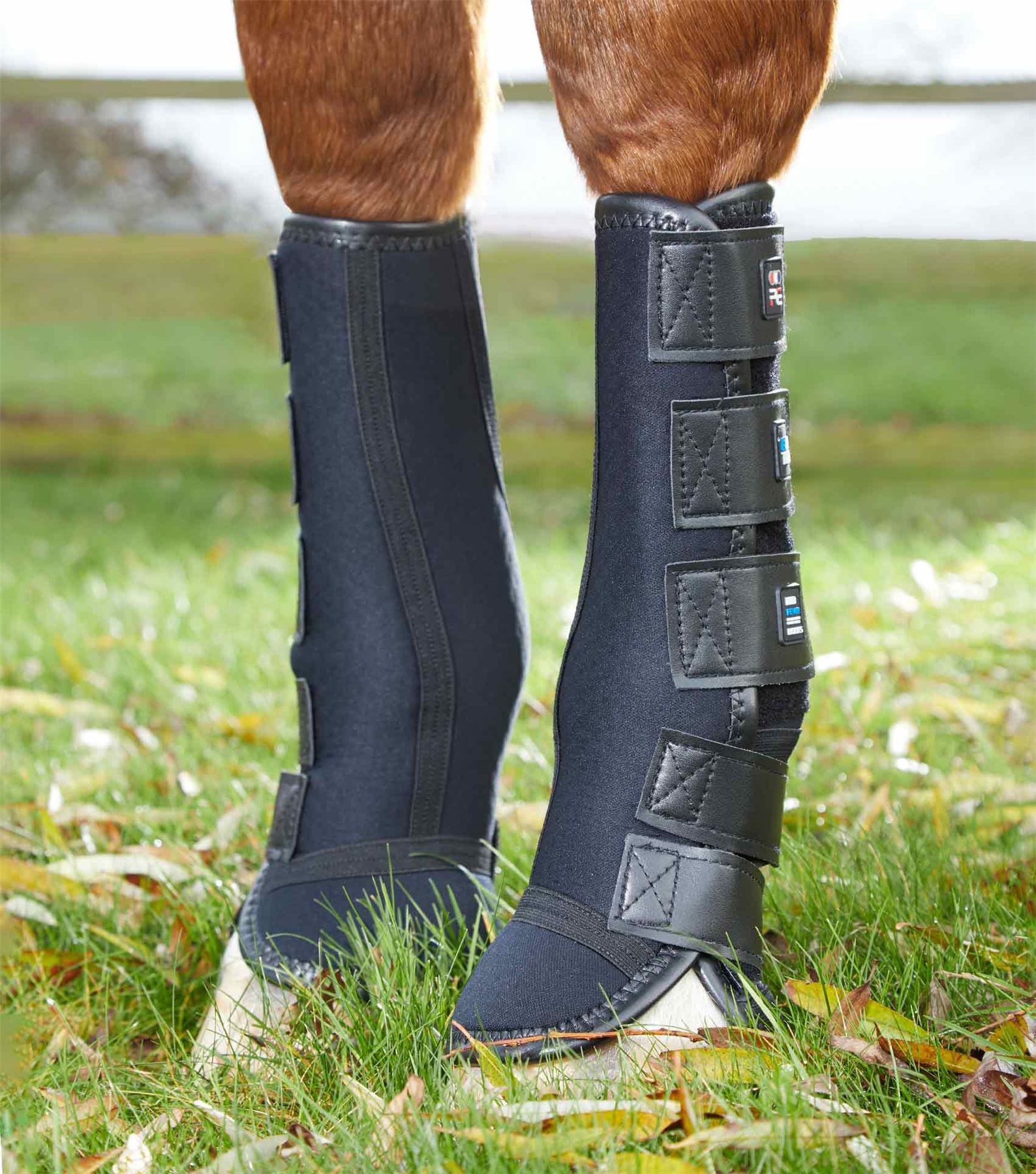
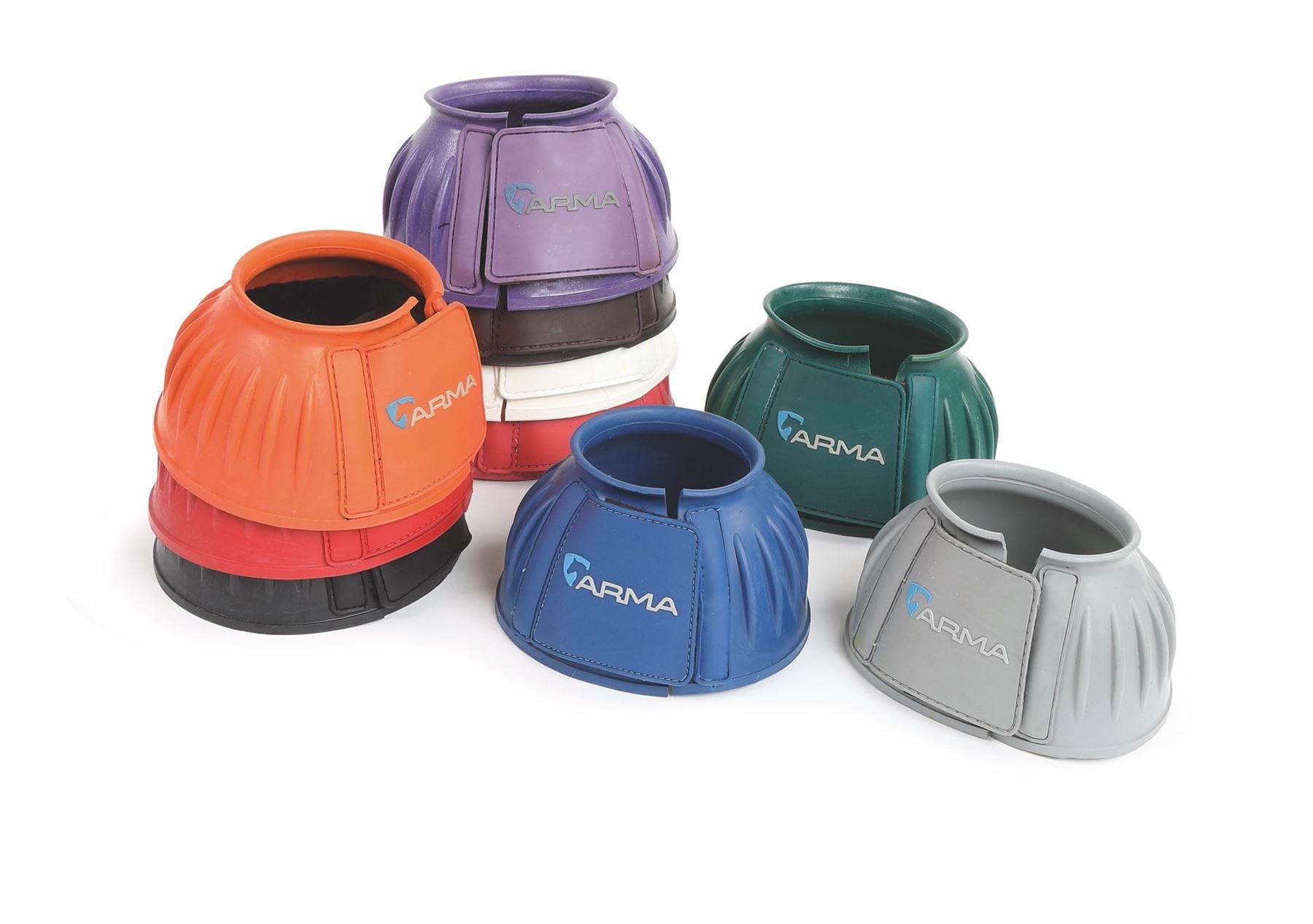
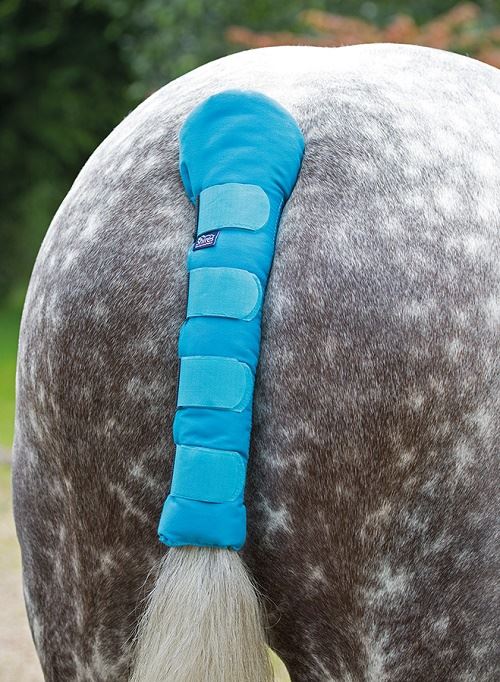

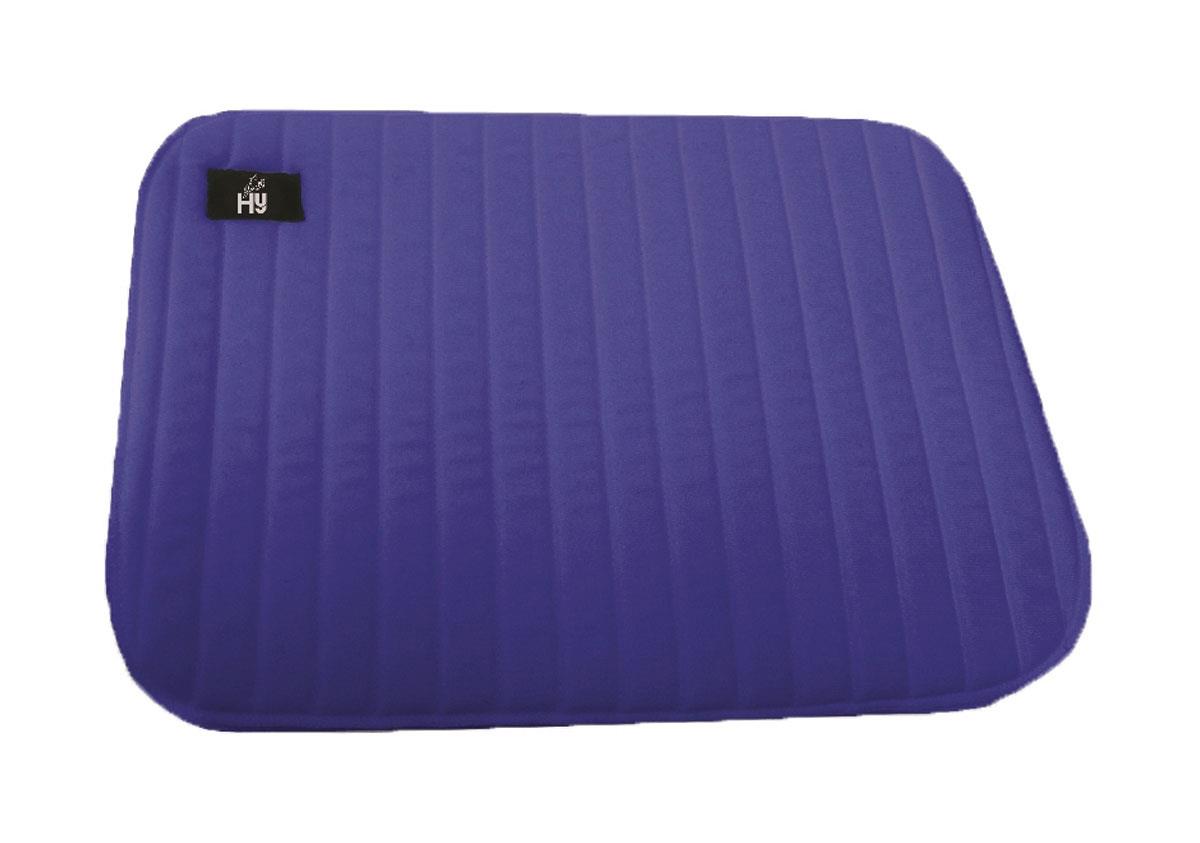
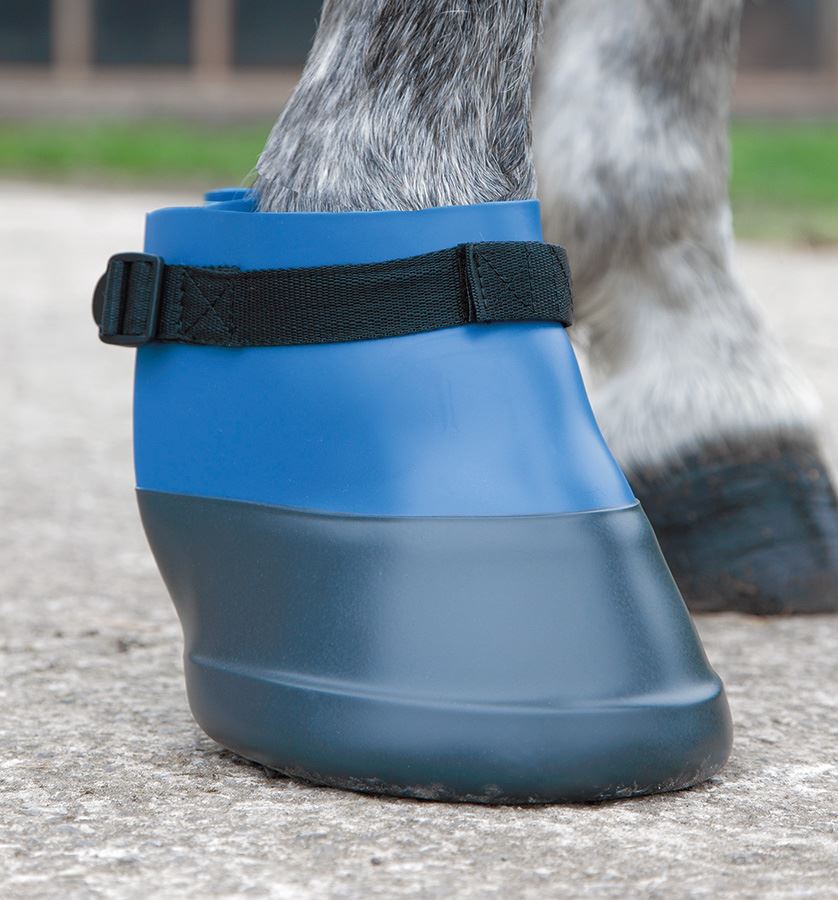
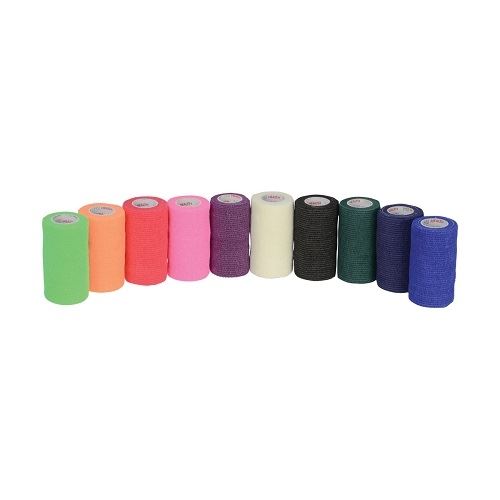
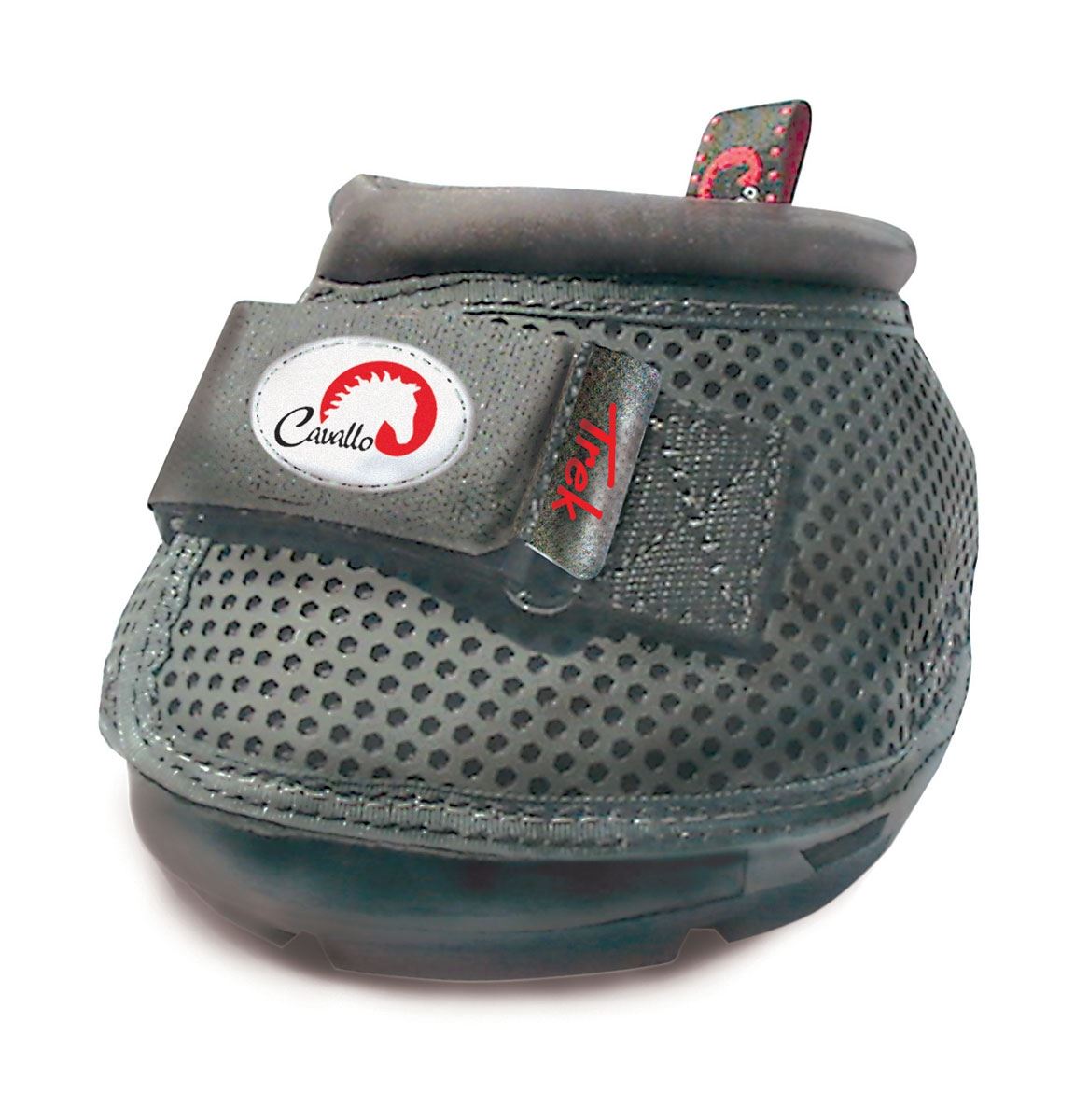
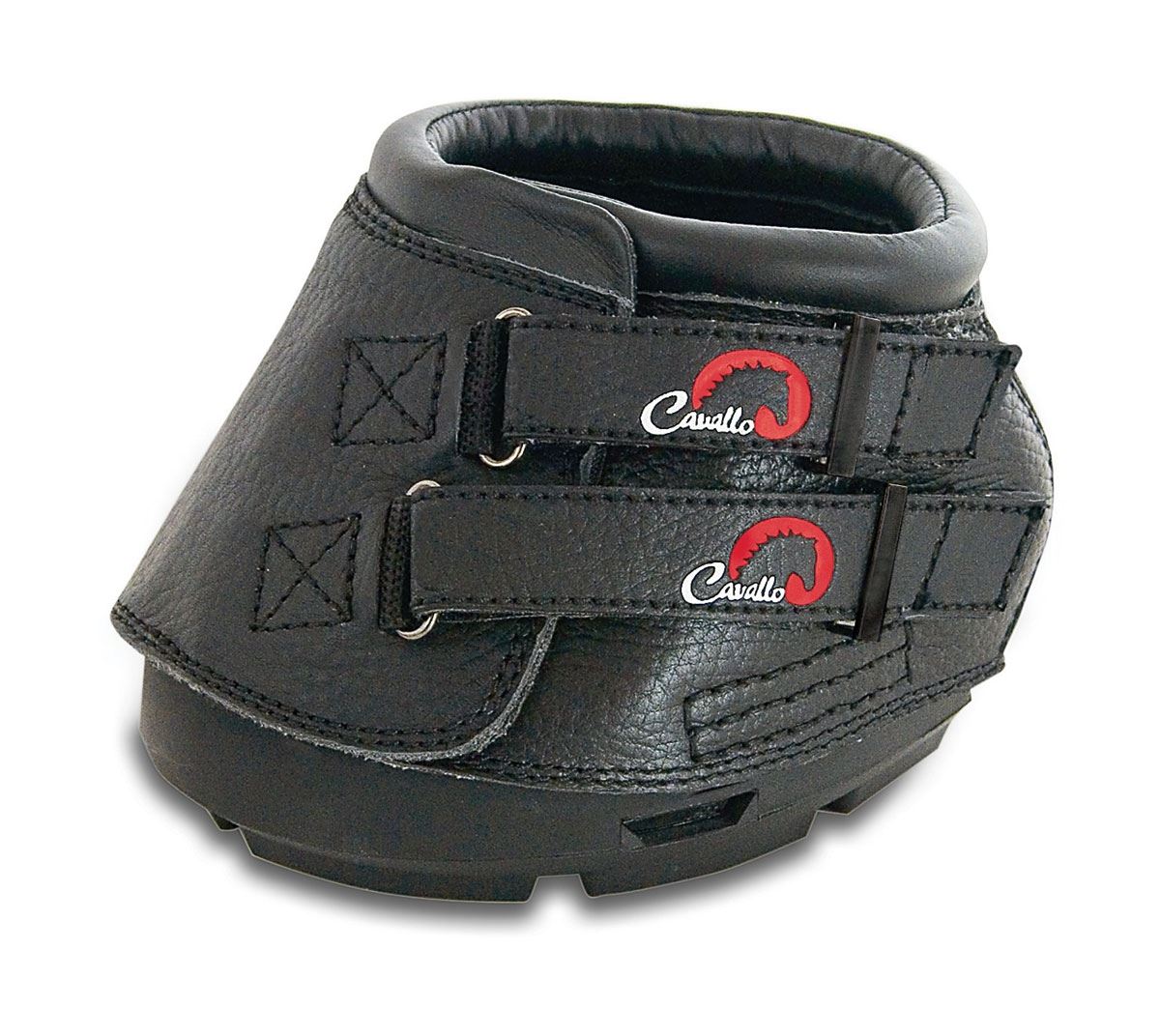
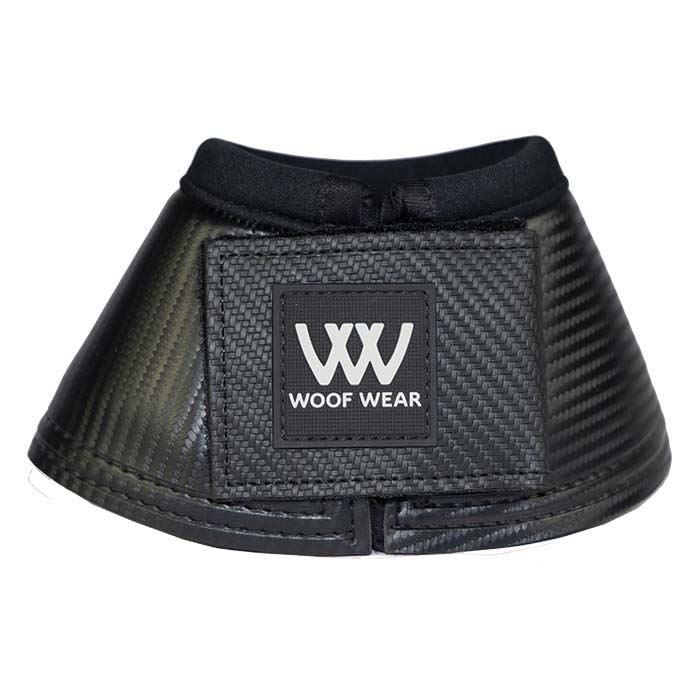
Horse boots and bandages help protect your horse's legs from knocks, brushing and travel scrapes. The everyday choices are brushing boots (all-round protection for schooling and turnout), overreach boots (bell-shaped, protecting the heels from a back foot striking a front one), tendon and fetlock boots (for jumping), travel boots (padded legs for the lorry or trailer), plus tail bandages, exercise bandages and poultice/medical boots. Just Horse Riders stocks over 700 options from brands including Shires ARMA, Woof Wear, Premier Equine, Gallop and our own Englander Equestrian, from around £2.
Free UK delivery over £50 · Fast next-day delivery available · 90-day returns · Family-run UK retailer since 2010.
Leg-protection advice from the Just Horse Riders team — last reviewed June 2026.
Which boots does my horse need?
| Type | When to use |
|---|---|
| Brushing boots | Everyday schooling, lunging and turnout — all-round knock protection |
| Overreach (bell) boots | Horses that clip their front heels — turnout, ridden work, travel |
| Tendon & fetlock boots | Jumping — front tendon and hind fetlock protection |
| Travel boots | Padded leg cover for the lorry or trailer |
| Poultice / medical boots | Keeping dressings clean on a recovering hoof or leg |
| Bandages & pads | Tail protection for travel; exercise/stable bandaging (always over padding) |
How should horse boots fit?
Fit boots on clean, dry legs, snug enough that they cannot slip or spin but loose enough to slide a finger under the straps. Most fasten front-to-back with the straps pointing backwards. Sizes usually run pony / cob / full — check each brand's guide, and remove boots promptly after work so the legs can cool.
Bandages: the golden rule
Never bandage directly onto a bare leg — always use padding underneath, keep the tension even, and avoid over-tightening. If you are new to exercise or stable bandaging, ask an experienced person to show you first; badly applied bandages can do more harm than good. Tail bandages should be firm but comfortable and removed after a few hours.
Leg protection favourites
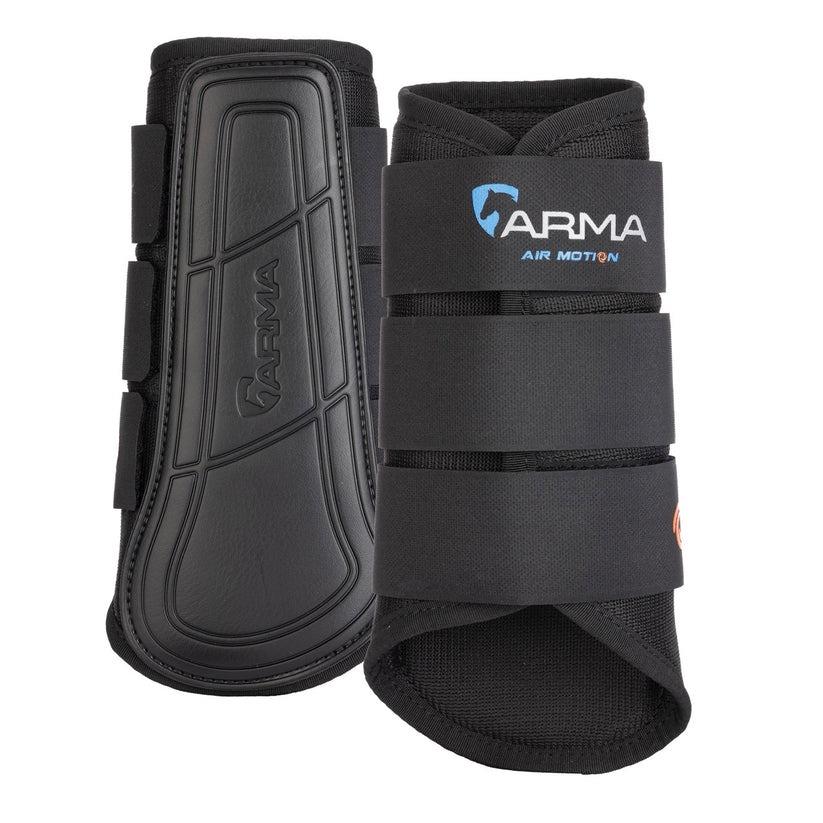
- Best everyday brushing boot: Shires ARMA Air Motion Brushing Boots (from £11.60).
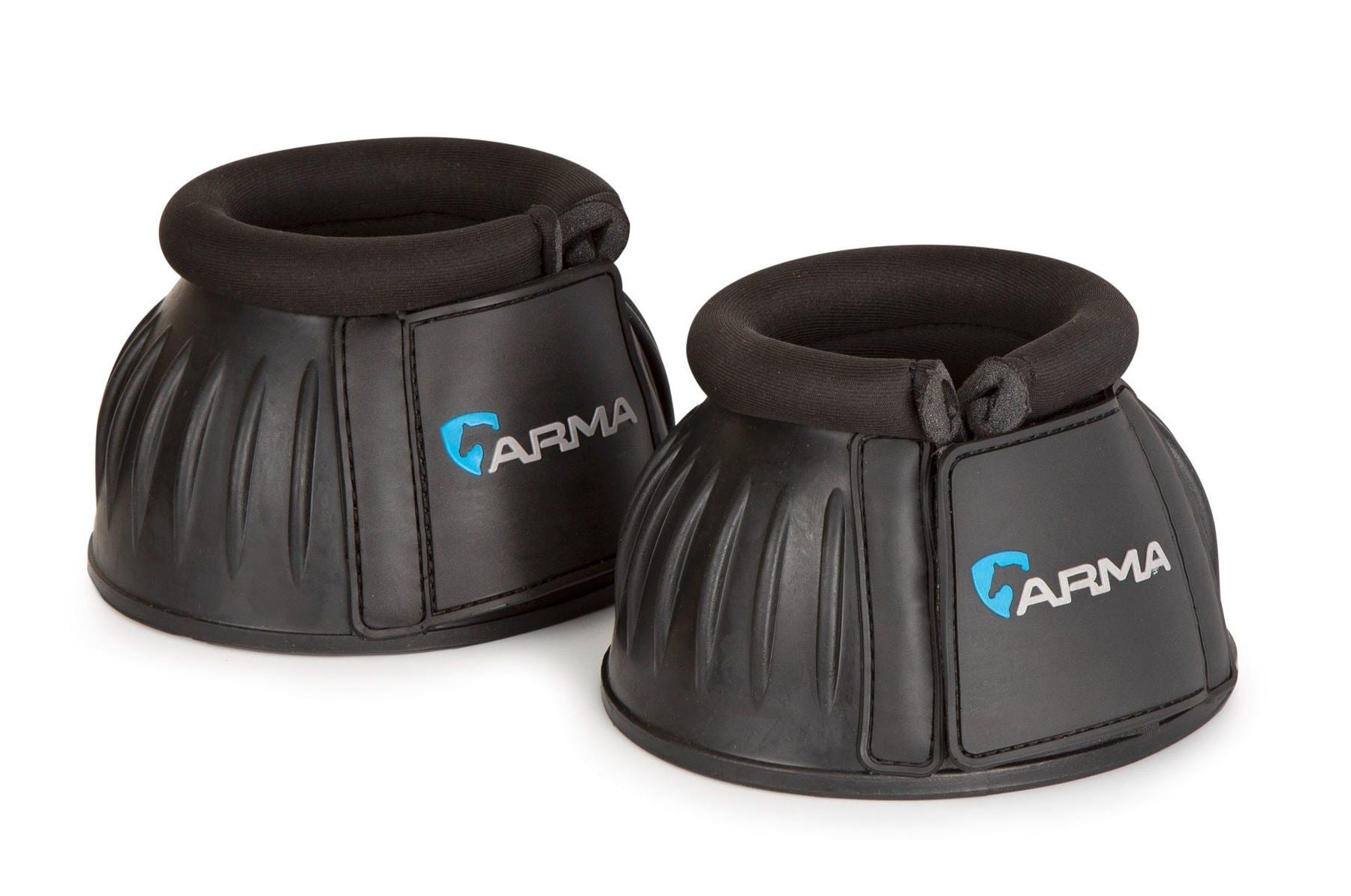
- Best overreach boots: Shires ARMA Neoprene Overreach Boots (from £7.09) or Gallop PVC Ribbed (from £6.78).
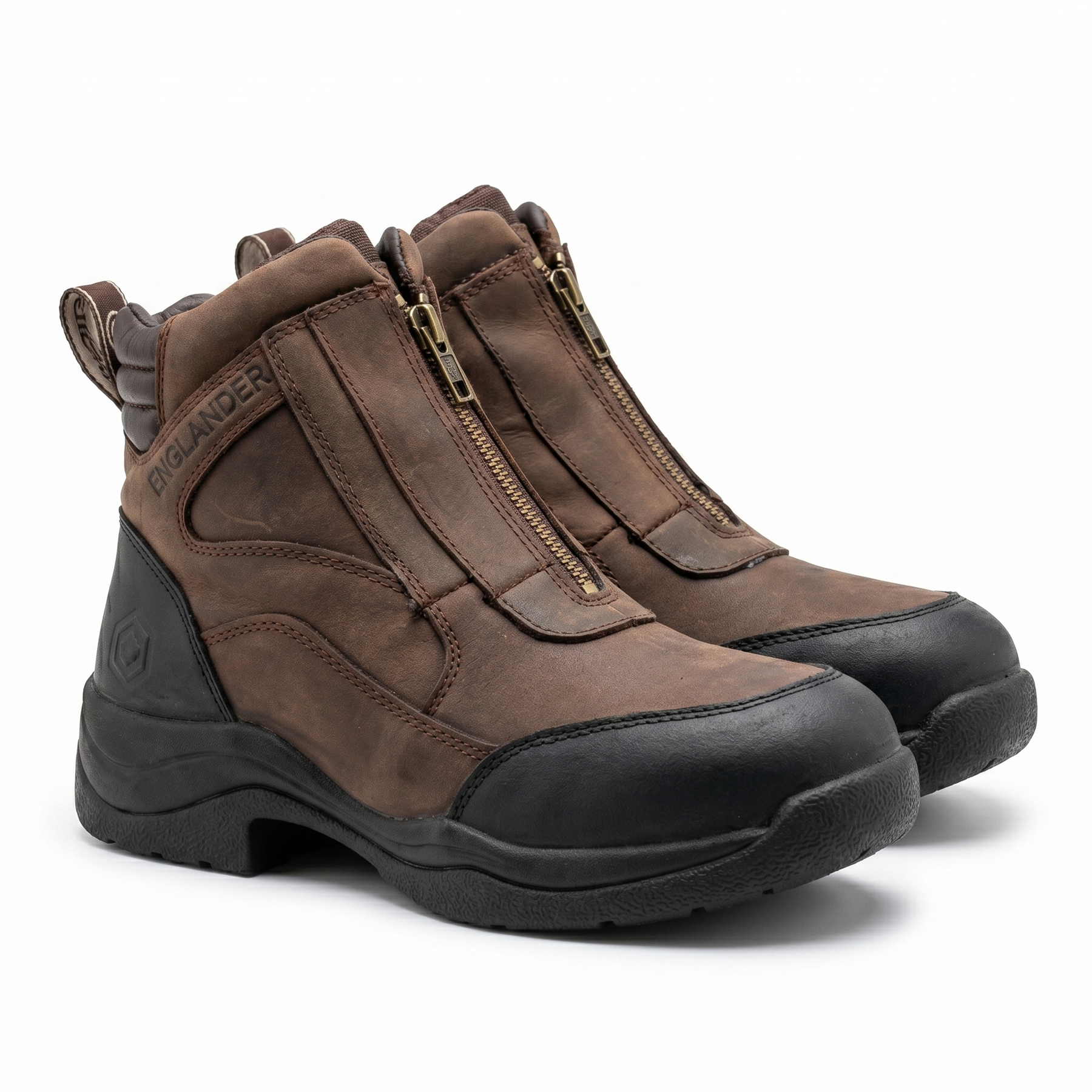
- Best-value travel boots: Englander Equestrian Atlas Zip-Front Boots (from £24.95) — our own brand.
- Premium travel boots: Premier Equine Vinci Waterproof (from £66.60).
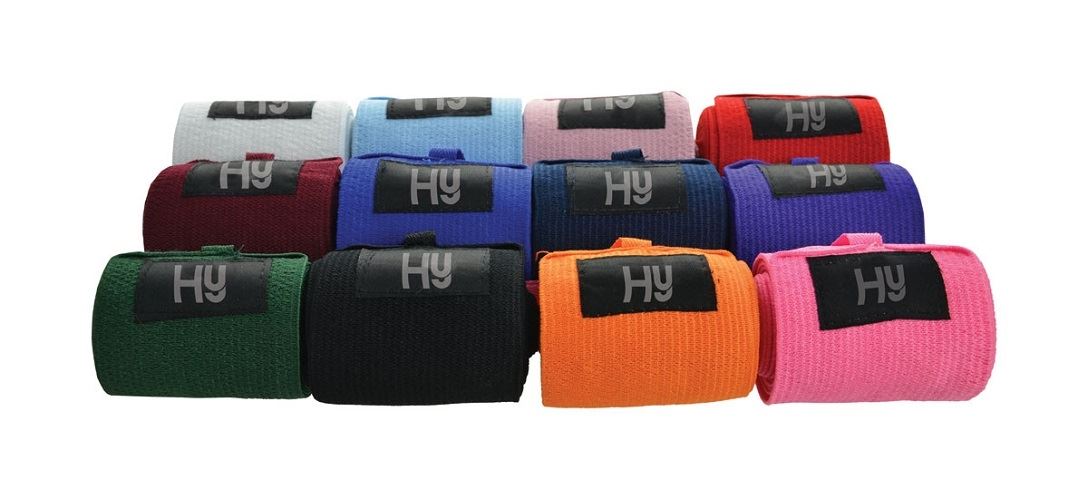
- Travel essential: Hy Tail Bandage (from £3.12).
Frequently asked questions
Does my horse need boots for turnout?
Not every horse does — but horses that move close behind, play hard or wear shoes often benefit from brushing boots and overreach boots in the field to help protect against knocks and pulled shoes. Use turnout-suitable boots and check legs daily for rubs.
What is the difference between brushing boots and tendon boots?
Brushing boots wrap the whole lower leg to protect against one leg knocking the other — the everyday choice. Tendon boots are open-fronted and shield the back of the front leg, designed for jumping; they pair with fetlock boots behind.
How tight should horse boots be?
Snug enough not to slip or rotate, loose enough to slide a finger under the strap. Fit on clean, dry legs, fasten straps pointing backwards, and remove promptly after work.
Should my horse wear travel boots?
Yes for most horses — padded travel boots help protect the legs from knocks and treads in the lorry or trailer, and a tail bandage or guard protects the tail. Introduce them at home first so your horse is used to the feel.
Not sure which boots? Tap the WhatsApp button at the bottom of the screen and one of the team will help.