
Saddlery & Tack
Everything bar the horse.
Bridles, bits, reins, girths, stirrups, numnahs and more — quality tack from the brands you trust, sized pony to full.


Saddlery & Tack

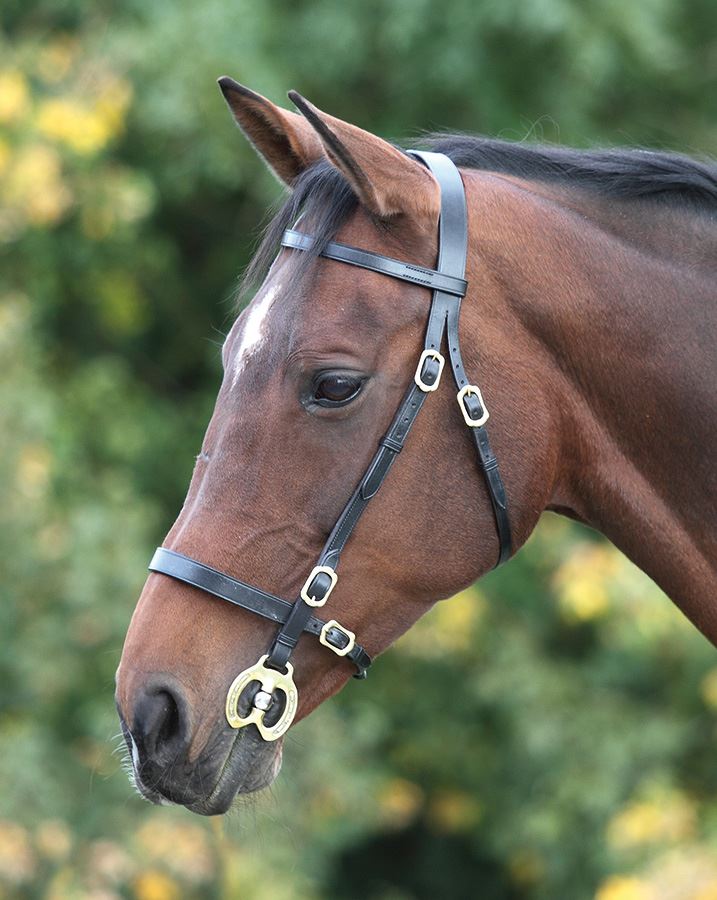
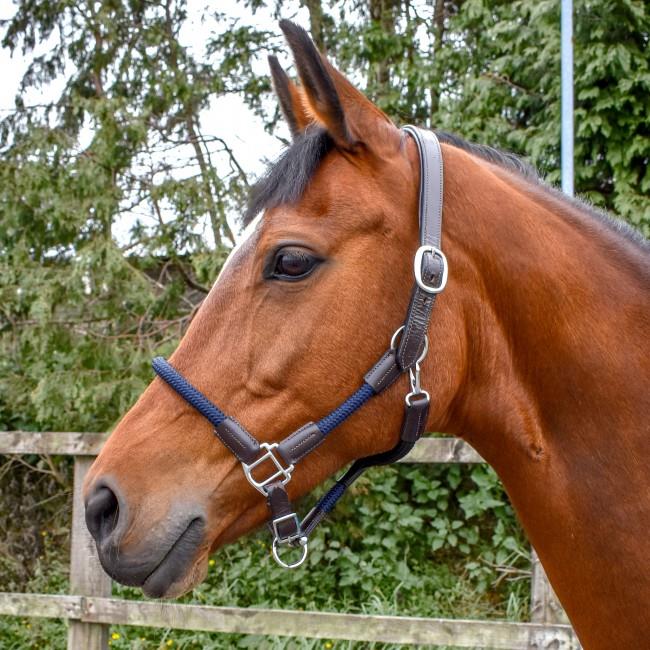
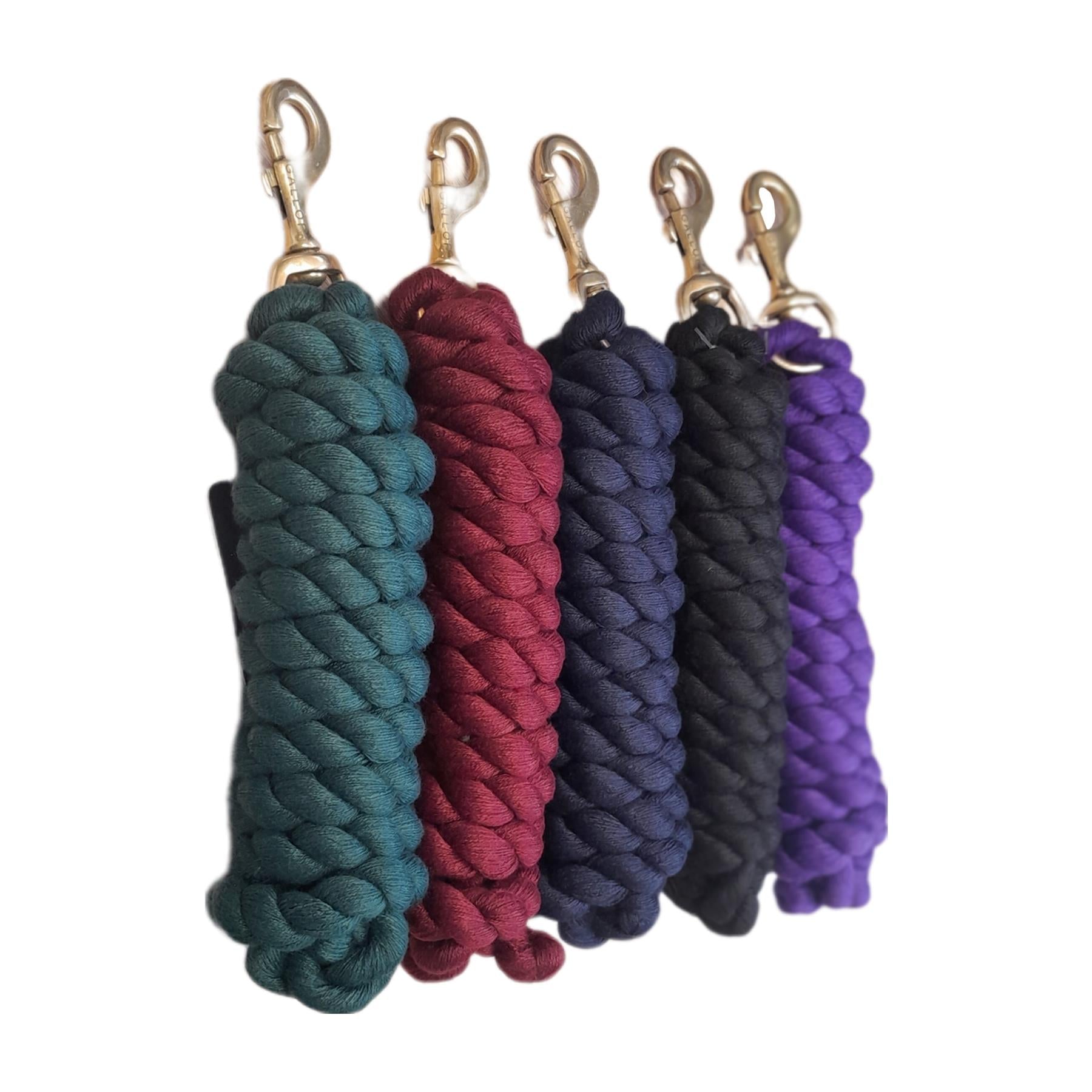
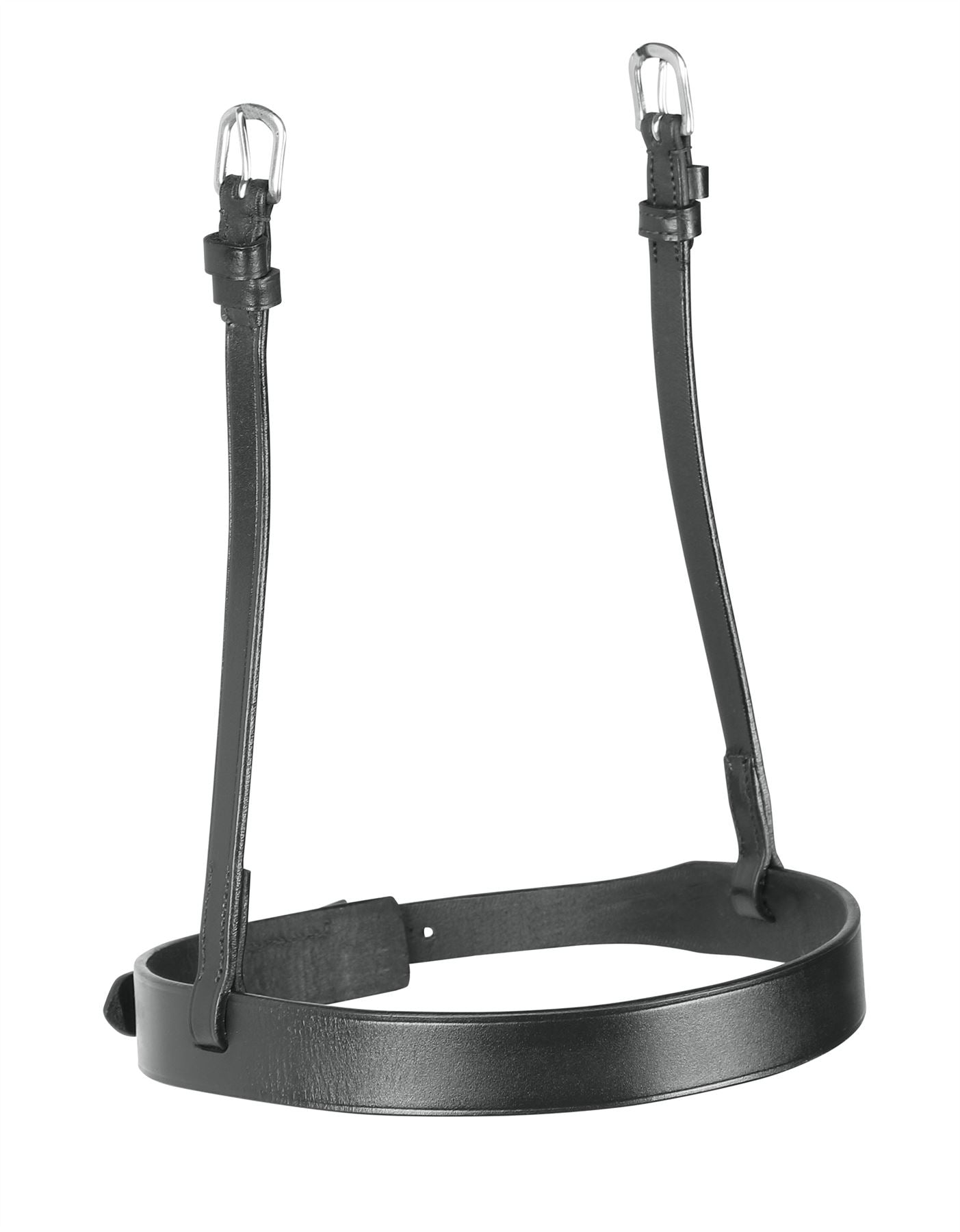
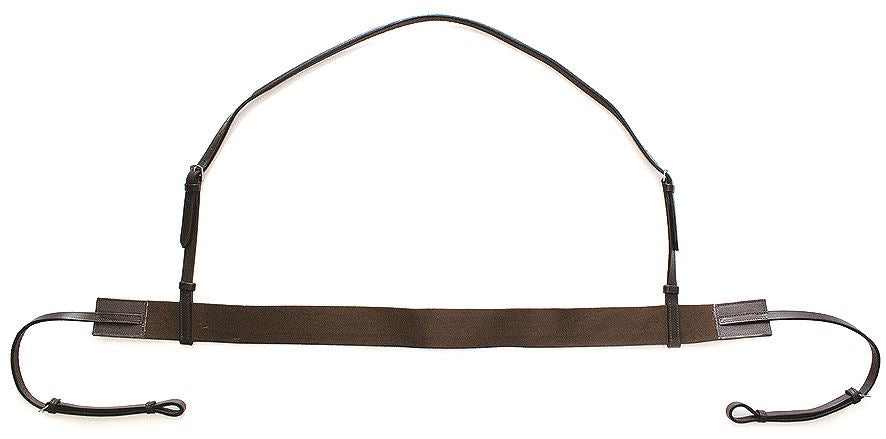
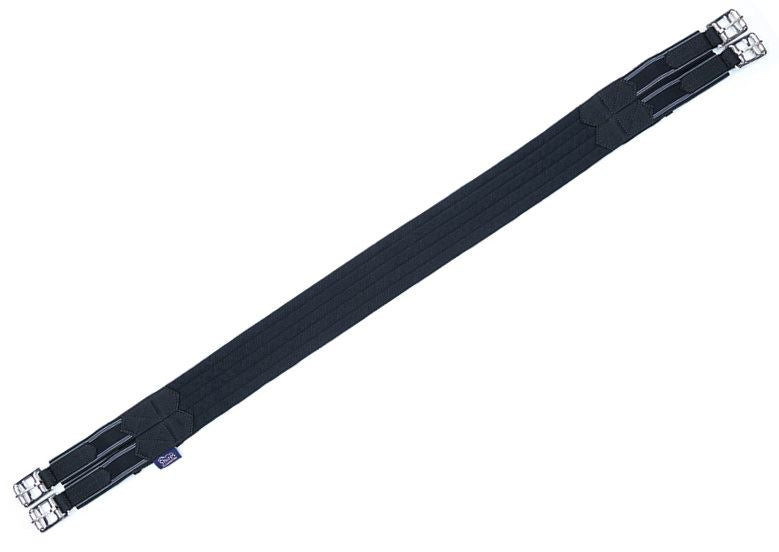
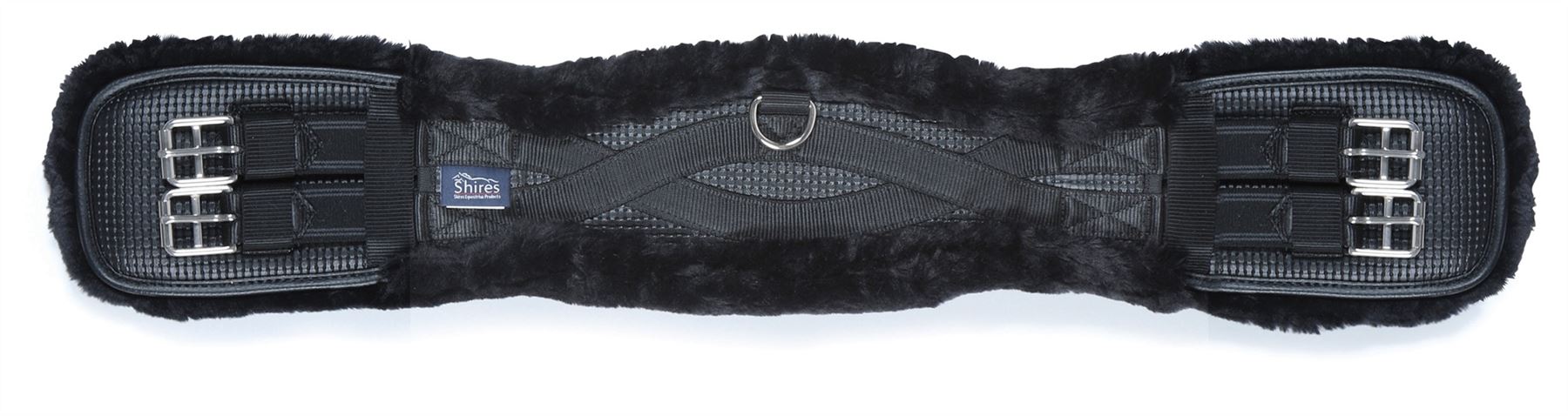
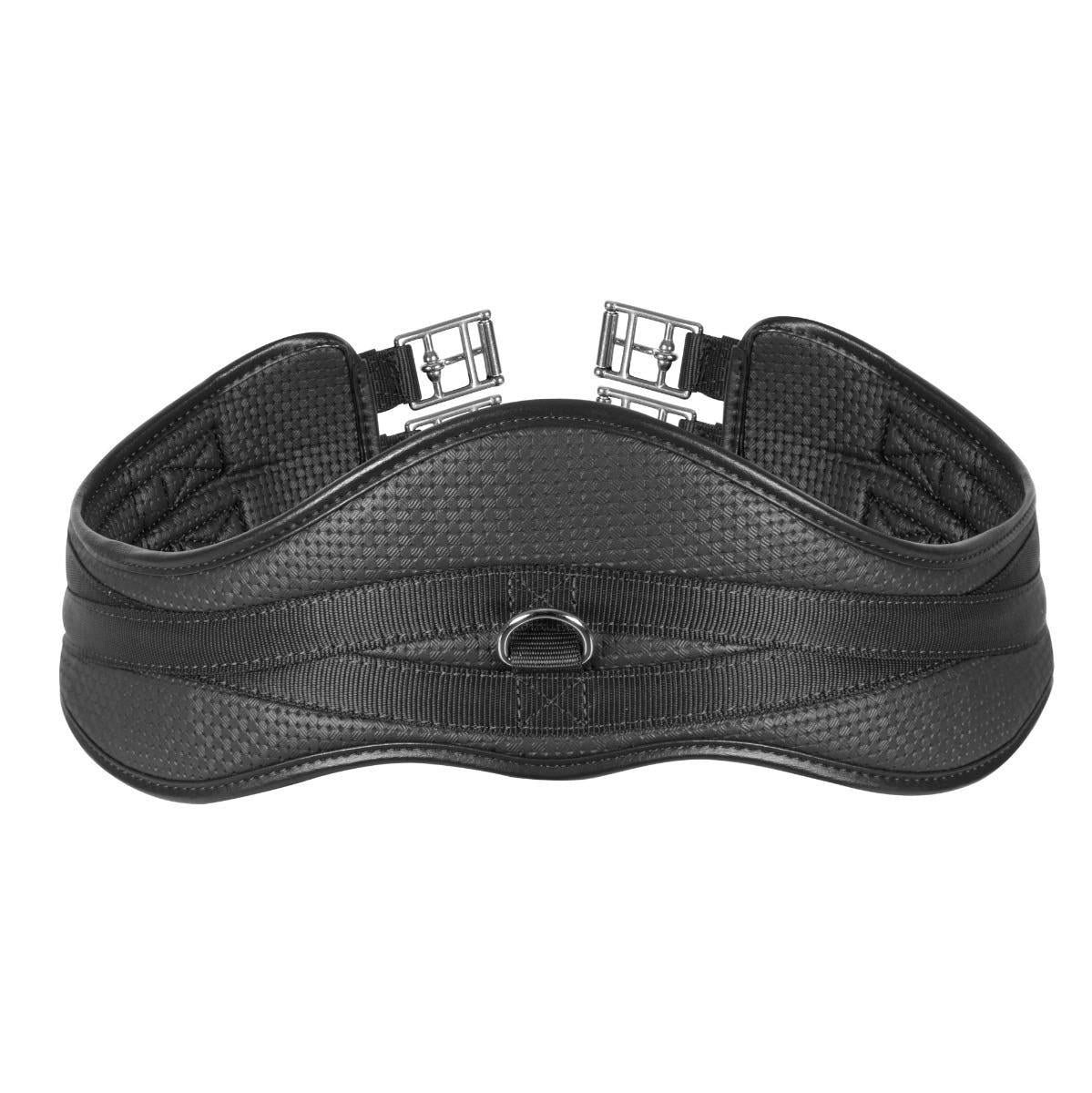
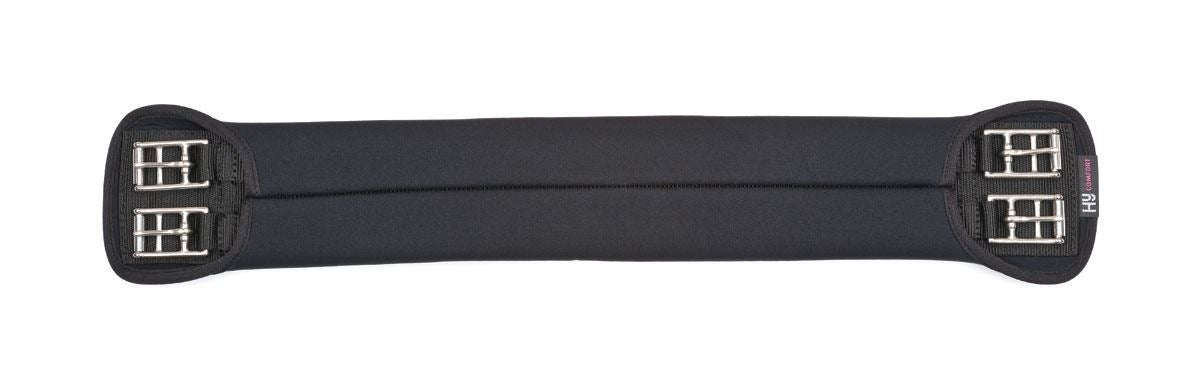
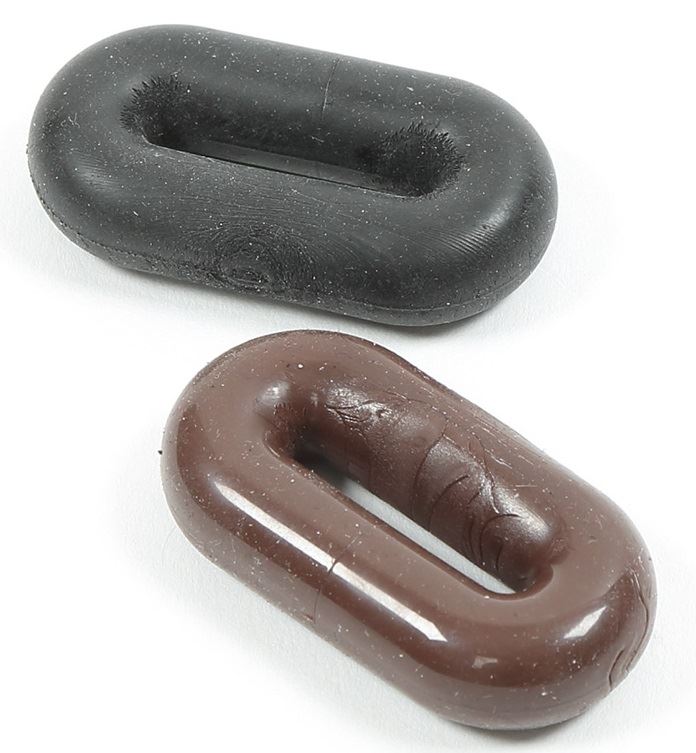
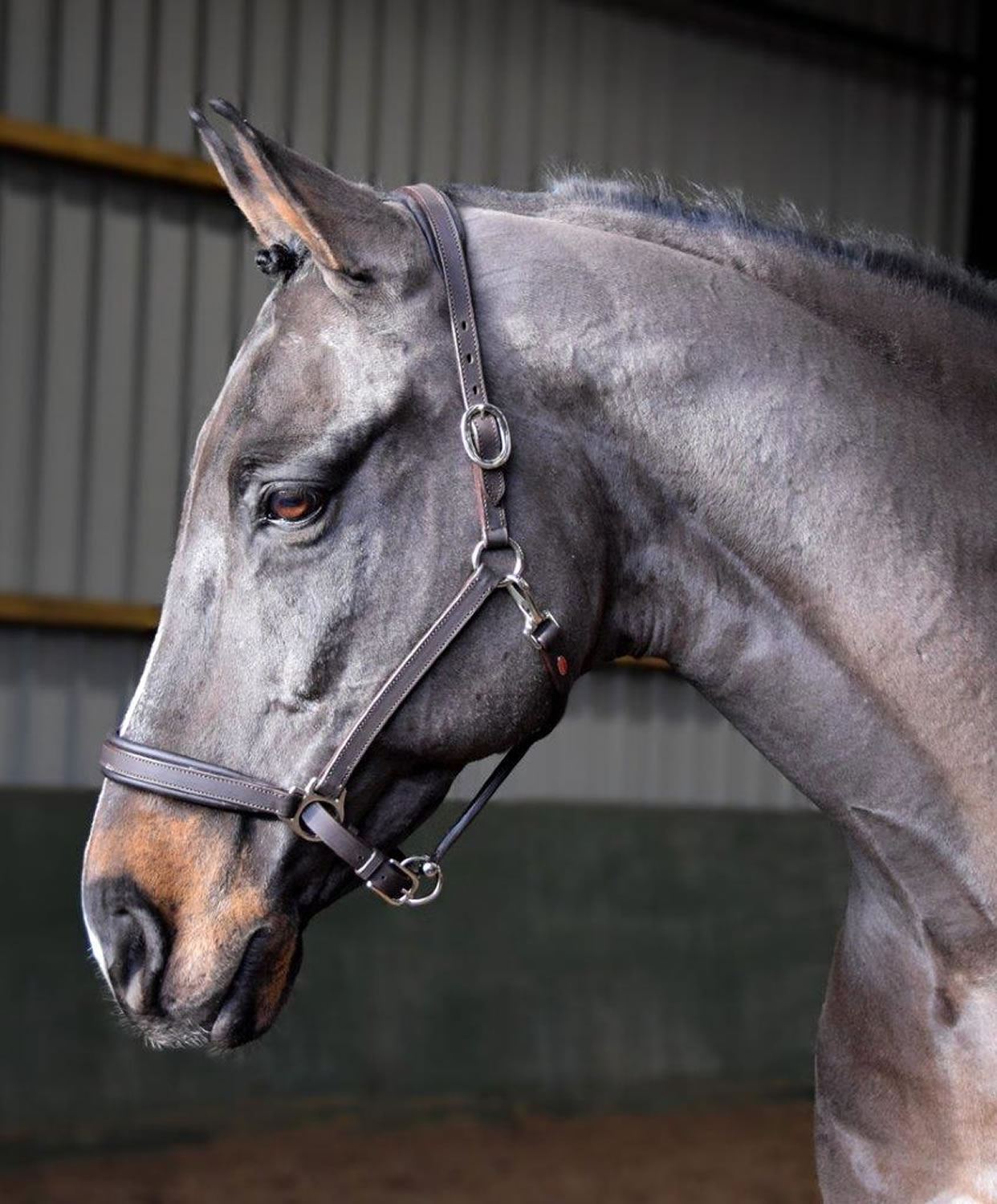
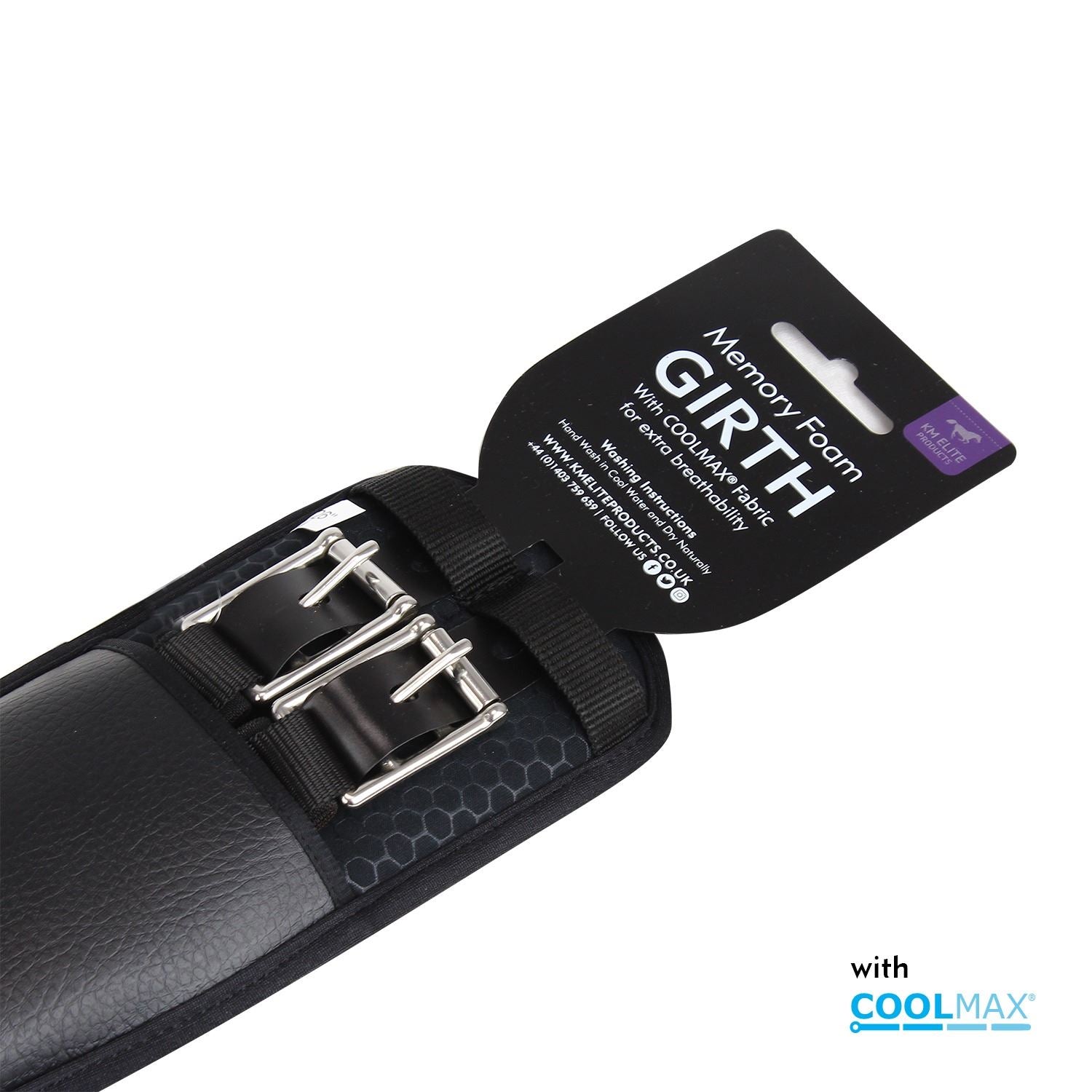
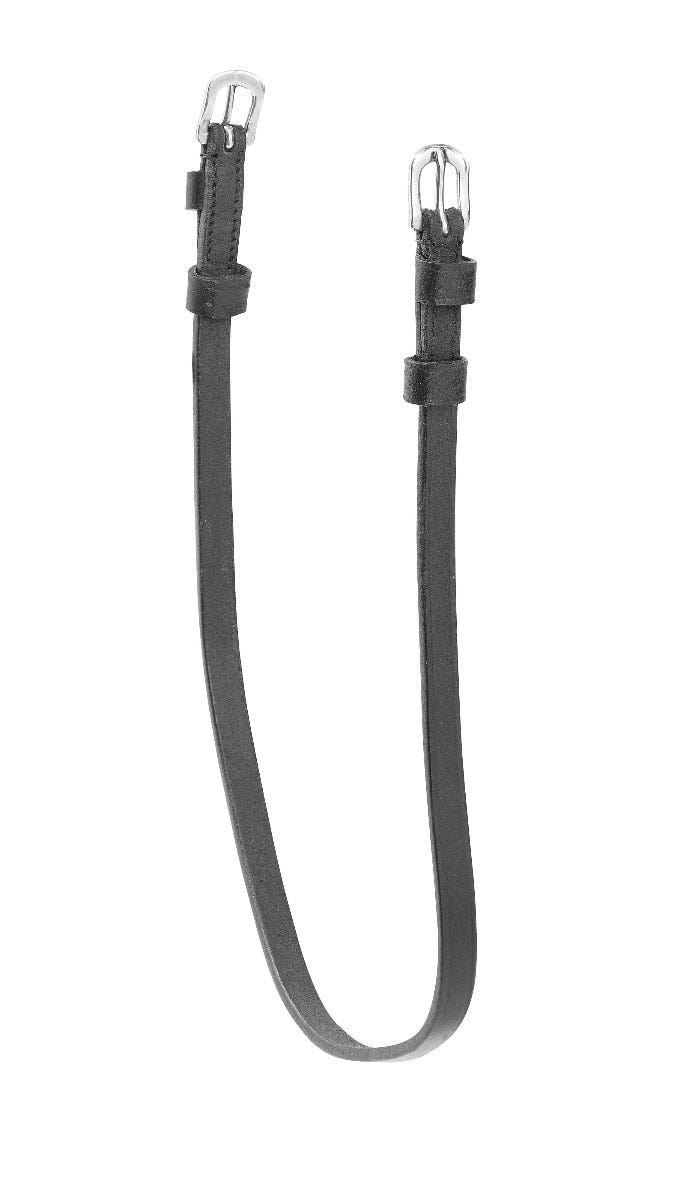
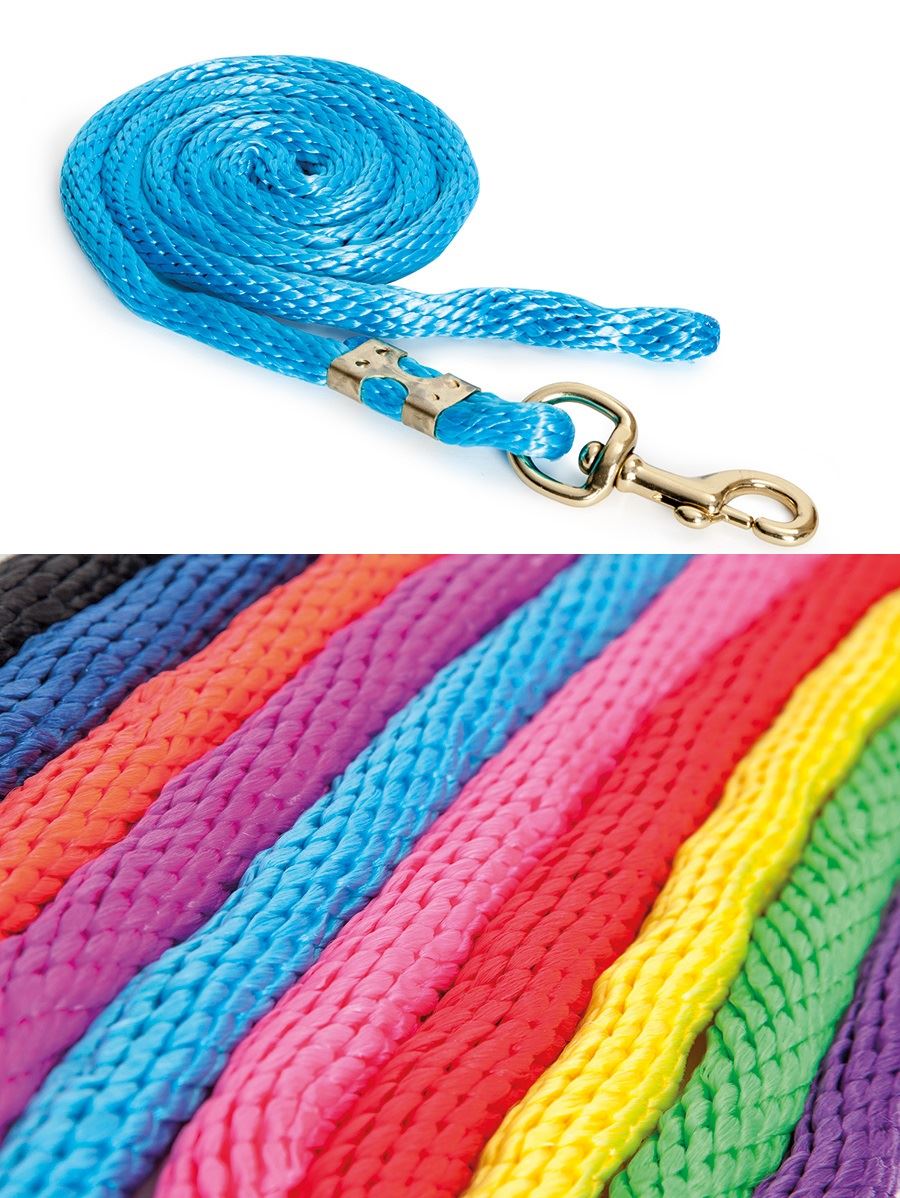
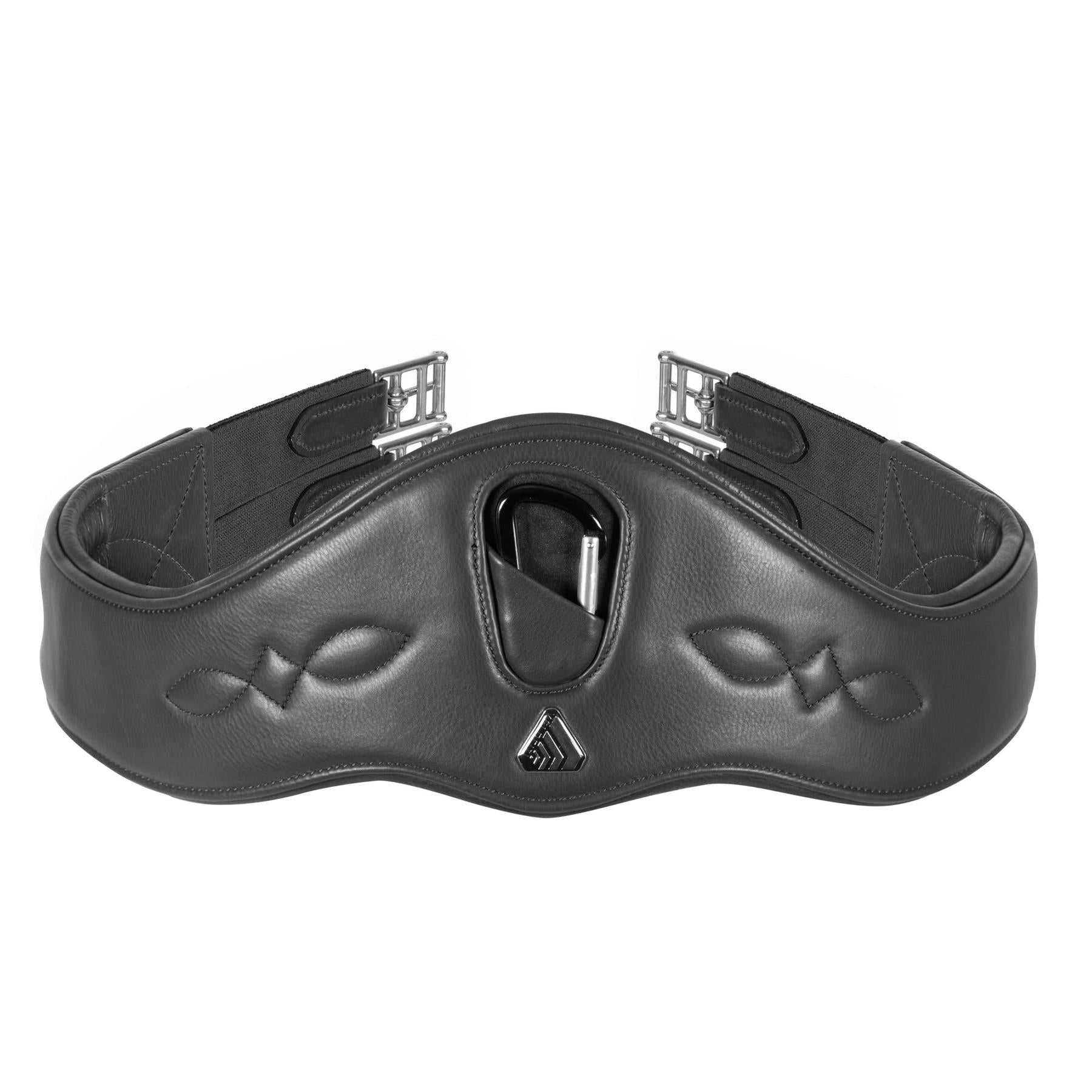
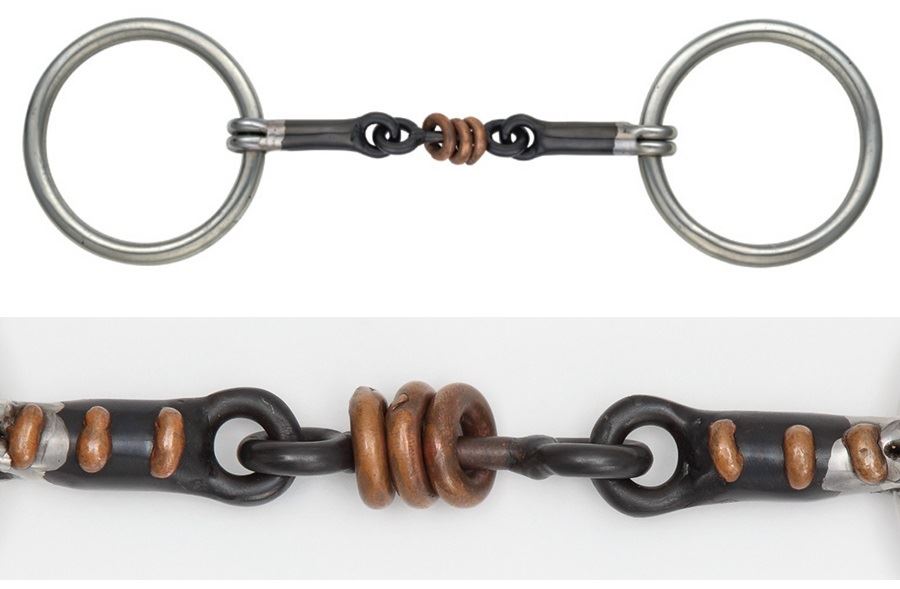
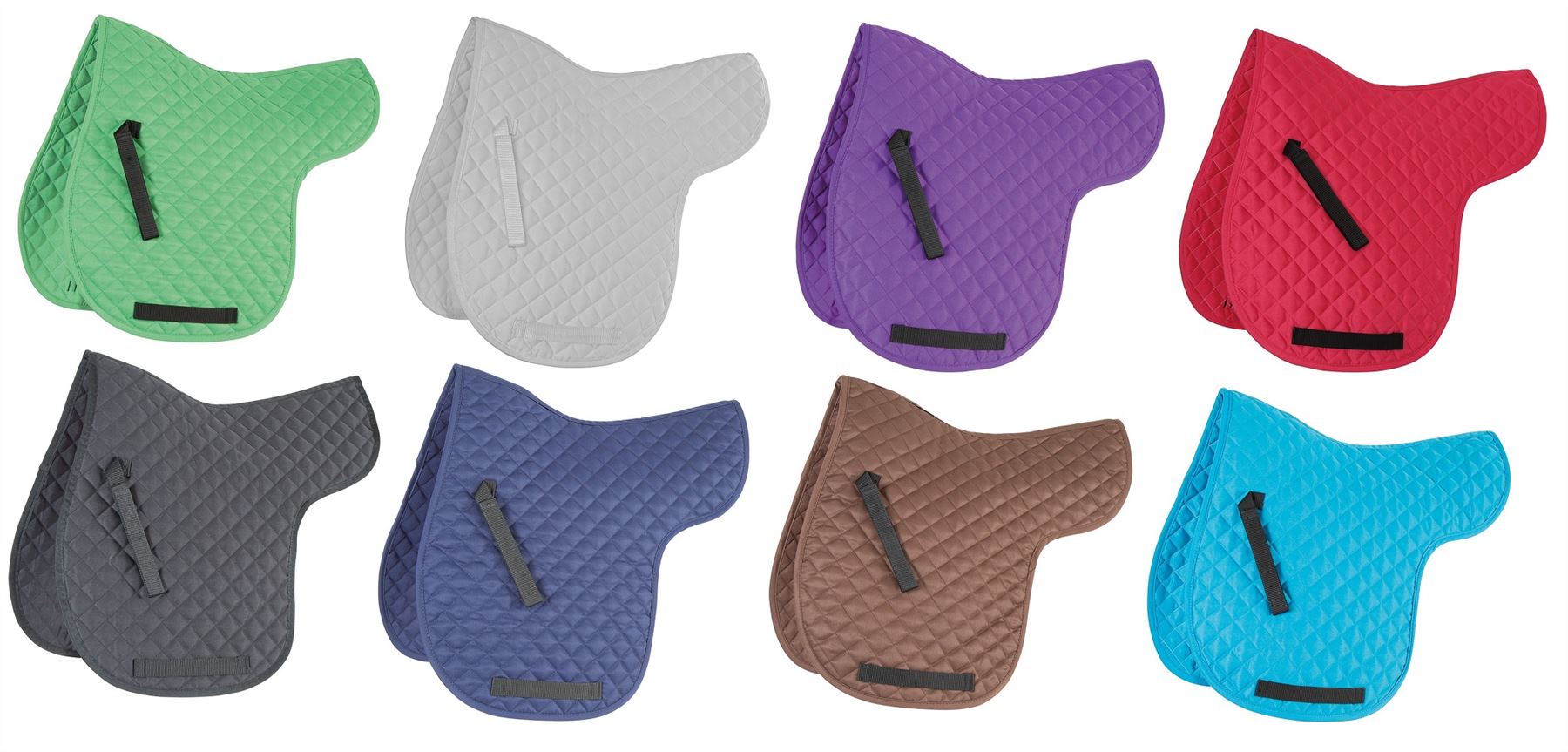
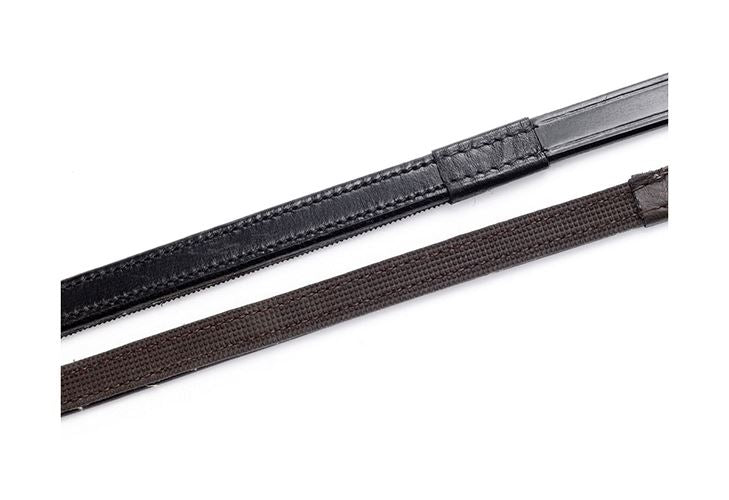
Saddlery and tack is everything that connects horse and rider — the bridle (with its bit, reins, noseband and browband), the kit around the saddle (girths, stirrups and leathers, numnahs and saddlecloths), martingales and breastplates, and everyday headcollars and leads. Just Horse Riders stocks over 3,000 pieces of tack from brands including Shires, Rhinegold, John Whitaker, Gallop, Windsor and Hy, from around £3.
Free UK delivery over £50 · Fast next-day delivery available · 90-day returns · Family-run UK retailer since 2010.
Tack advice from the Just Horse Riders team — last reviewed June 2026.
Tack covers a lot of ground, so this hub points you to the right section fast — whether you are building a bridle from scratch, replacing a worn girth, or kitting out a first pony.
Shop saddlery & tack by type
- Bridles — headpieces and complete bridles in pony, cob and full.
- Bits — snaffles, pelhams and more, in a range of mouthpieces and sizes.
- Reins — plain, rubber, laced and web reins for grip and feel.
- Nosebands — cavesson, flash, grackle and drop nosebands.
- Browbands — plain and sparkly browbands to finish a bridle.
- Girths — anatomical, anti-chafe and short dressage girths.
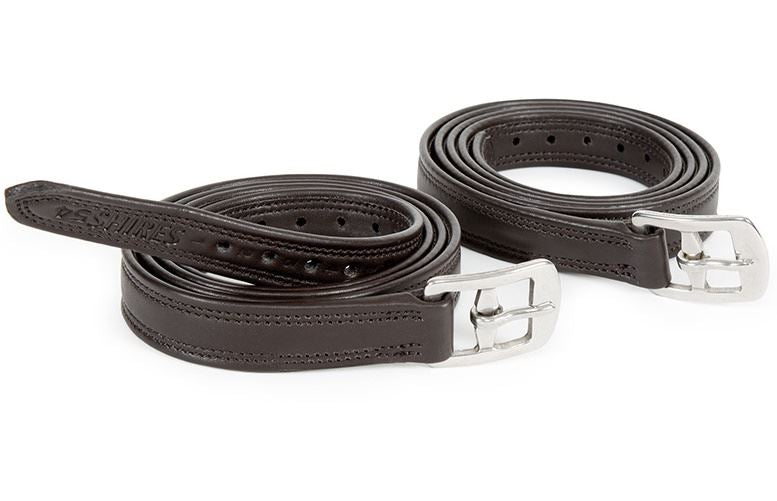
- Stirrups & Leathers — irons, safety stirrups, leathers and treads.
- Martingales & Breastplates — running and standing martingales and breastplates.
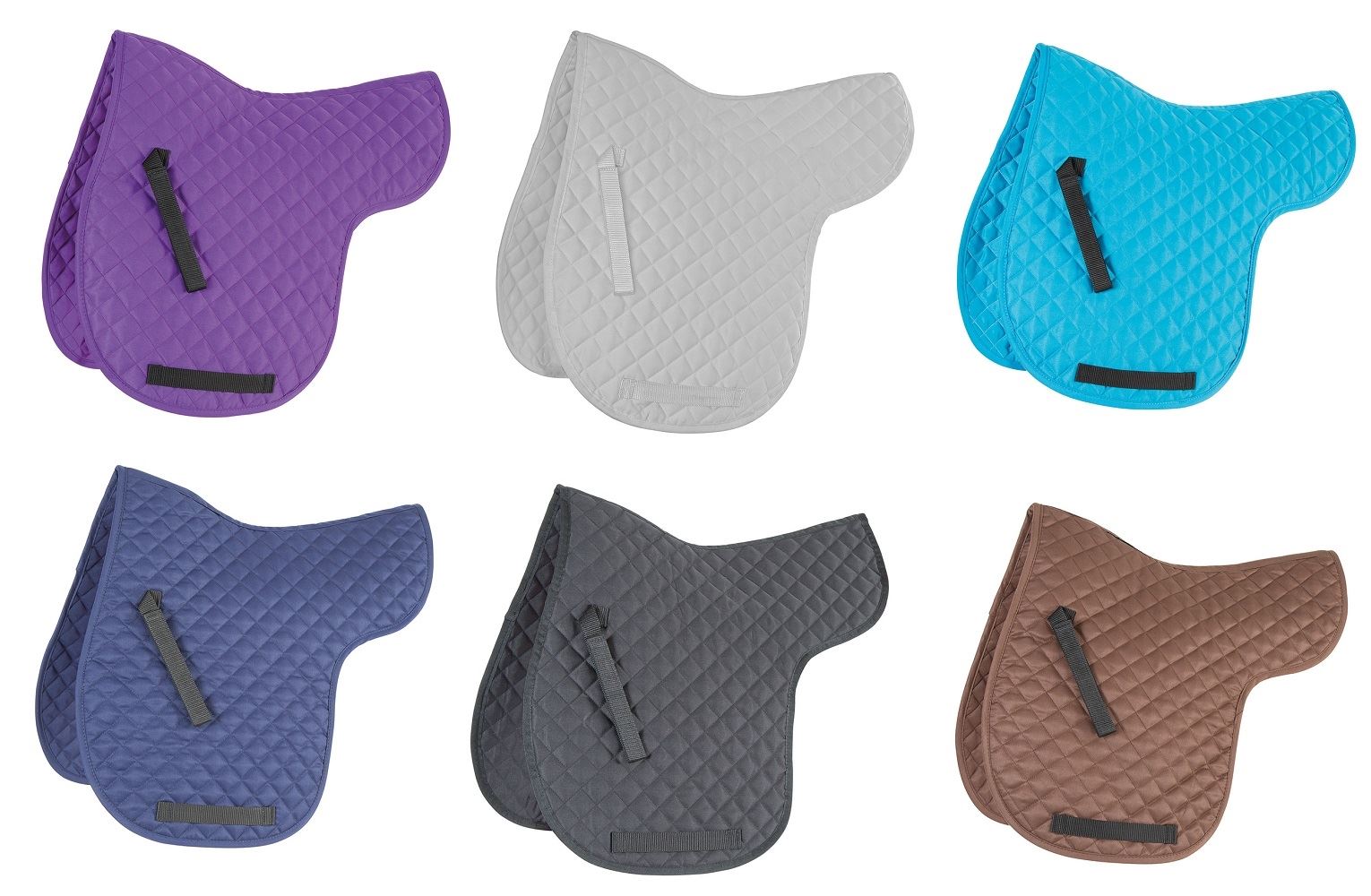
- Saddlecloths & Numnahs — GP, dressage and jump shapes and pads.
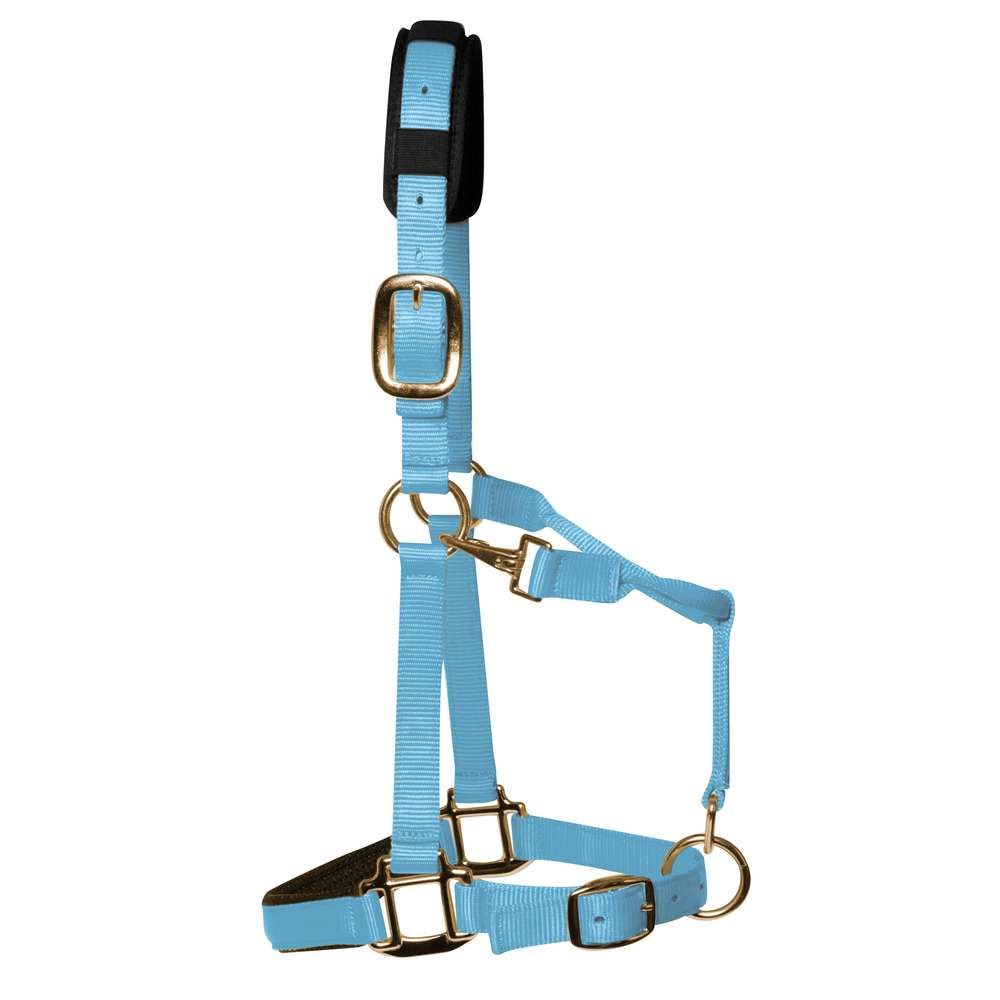
- Headcollars & Leads — everyday, padded, leather and field-safe headcollars.
- Tack Cleaning & Care — saddle soaps, balms and leather care.
Tack buying basics
What makes up a bridle?
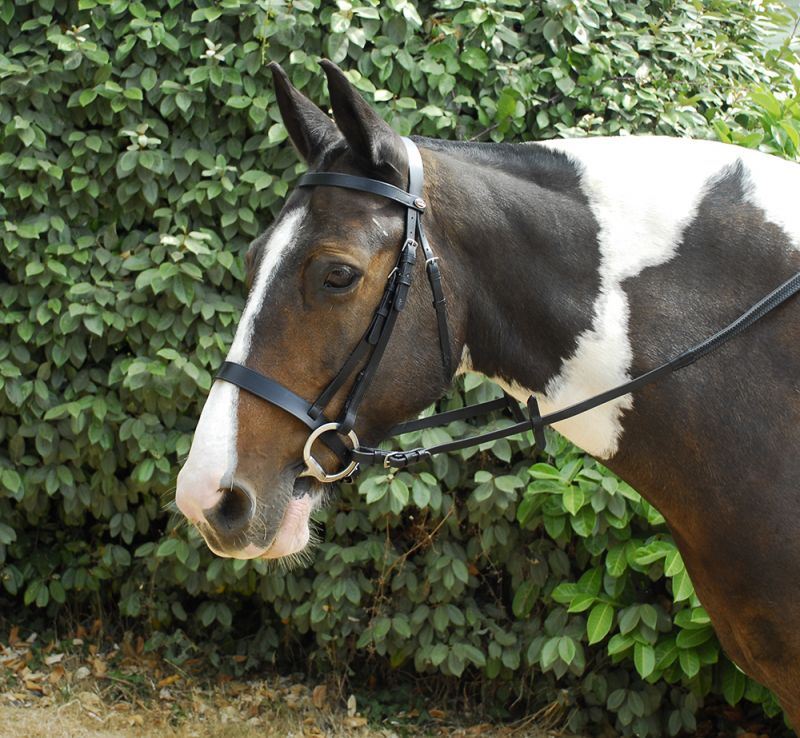
A standard bridle is the headpiece, cheekpieces, browband and noseband, used with a bit and a pair of reins. Bridles come in pony, cob and full (and sometimes extra-full) — match the size to your horse, then swap the bit, reins and noseband to suit your discipline.
How do I choose a girth?
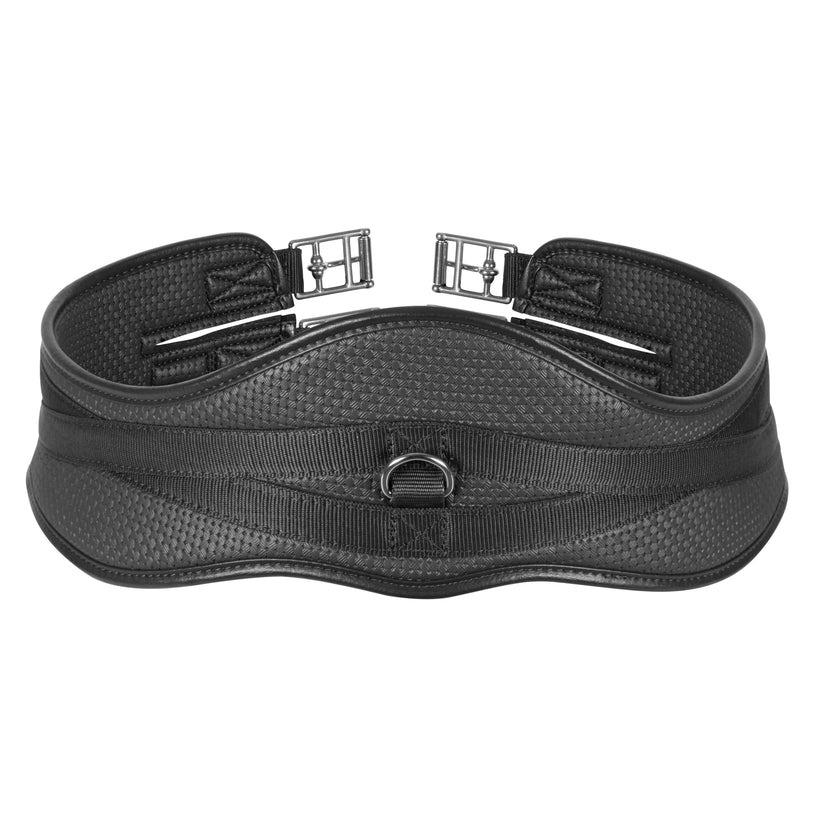
Girths are measured in inches and should let you do up a few holes on each side of the saddle when fitted. Short (dressage) girths suit saddles with long girth straps; long girths suit most general-purpose and jumping saddles. Anatomical and anti-chafe shapes help horses who are sensitive behind the elbow.
Stirrups, leathers and safety
Stirrup irons should sit about 2.5cm (one inch) wider than your riding boot on each side, so your foot moves freely but cannot slip through. Pair them with leathers in a length to suit you, and consider safety or peacock stirrups for extra security — especially for children.
Numnahs and saddlecloths
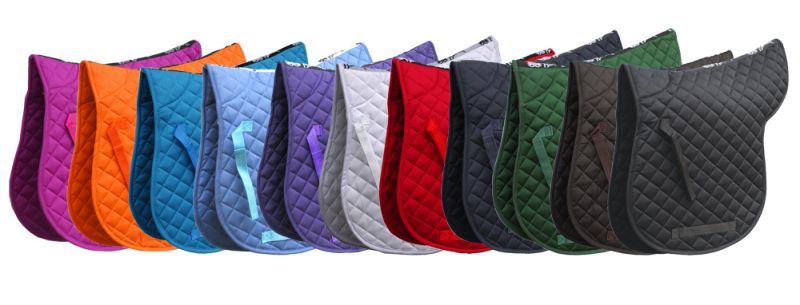
A numnah or saddlecloth sits under the saddle to wick sweat and protect the leather. Choose a shape that matches your saddle (general-purpose, dressage or jump) and the right size for your horse.
Caring for leather tack
Clean leather tack regularly with saddle soap and leather care to keep it supple and safe — dry, cracked leather is weak leather. Wipe off sweat and mud after use and condition every few weeks.
Best-selling tack
- Best-value bridle: Windsor Plain Hunter Bridle (from £27.57).
- Most popular headcollar: KM Elite Padded Headcollar (from £10.73).
- Best anti-chafe girth: Shires ARMA Anti-Chafe Anatomical Girth (from £36.00).
- Everyday numnah: Rhinegold Cotton Quilted Numnah (from £11.20).
- Reliable stirrup leathers: Shires Easy-Care Non-Stretch Leathers (from £16.20).
Frequently asked questions
What is the difference between saddlery and tack?
The words are used almost interchangeably. Saddlery leans towards the leatherwork — bridles, girths and reins — while tack is the general term for all the equipment used to ride and handle a horse, including numnahs, headcollars and accessories.
What size bridle does my horse need?
Bridles come in pony, cob and full (sometimes extra-full). Cob suits many horses and natives, full suits most riding horses and Thoroughbreds. Check the brand's guide, and adjust the cheekpieces and noseband to fine-tune the fit.
How do I measure for a girth?
Measure your existing girth, or measure from a few holes down on one side of the saddle, under the belly, to the same point on the other side. Girths are sold in inches; the size that lets you do up a few holes each side is usually right.
What stirrup size do I need?
Allow about 2.5cm (one inch) of clearance on each side of your riding boot, so your foot moves freely but cannot slip through. Children and nervous riders may prefer safety stirrups.
How often should I clean my tack?
Wipe sweat and mud off after each use, and give leather a proper clean and condition every week or two. Well-kept leather lasts longer and stays safe.
Not sure what you need? Tap the WhatsApp button at the bottom of the screen and one of the team will help you put it together.