How Stanley Rolling Tack Boxes Transformed From Equestrian Gear To Gen Z Fashion Icons
The Surprising Rise of Stanley Rolling Tack Boxes: A Modern Consumer Trend
A Trendy Transformation: Equestrian Gear Meets Gen Z
In a fascinating turn of events, Stanley Rolling Tack Boxes, originally a staple in the equestrian world, have become the latest must-have item among Gen Z. The phenomenon, fueled by the viral nature of TikTok and savvy branding strategies, has transformed these utilitarian storage solutions into fashionable lifestyle accessories. The satire website Horse Network humorously describes this surprising evolution, providing a tongue-in-cheek perspective on how a functional tool has caught the attention of fashion-savvy college students.
The Power of Social Media and Celebrity Influence
The impact of social media, notably TikTok, on consumer trends cannot be overstated. Stanley, previously celebrated for their durable water bottles, has cleverly harnessed this platform to launch their rolling tack boxes into the spotlight. The rise in popularity is akin to that of many products before it: as soon as celebrities and influencers, real or fictional like Olivia Alberts, jump on board, the product becomes a status symbol. This illustrates the growing influence of digital platforms in shaping consumer behavior. As the original humorous piece suggests, peer pressure and celebrity culture are essential ingredients in brewing this consumer craze.
From Practical Storage to Campus Fashion Statement
The transition of these rolling boxes from barns to dormitories is both comical and revealing of modern consumer habits. Once confined to carrying tools and equestrian equipment, Stanley Rolling Tack Boxes are now praised for their multipurpose nature. On college campuses, they serve as makeshift closets, food pantries, and even mini-bars—that's right, in the world of Gen Z, a tool chest can be anything with the right mindset and Instagram filter. Yet, this trend also highlights a growing impracticality when oversized items must navigate compact dorm rooms and educational settings.
Broader Implications: Consumer Behavior and Market Adaptation
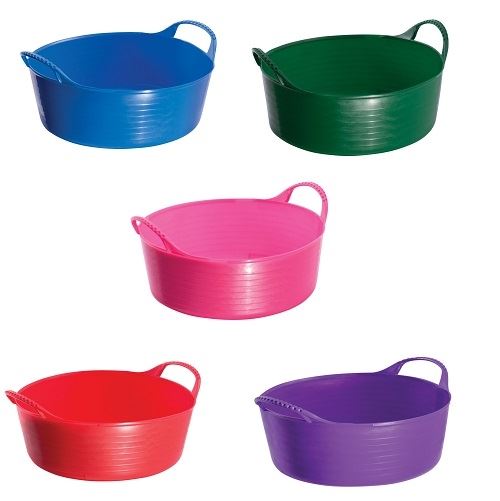
The underlying themes in this trend speak volumes about consumer culture and corporate agility. Brands are now required to pivot swiftly to capture the attention and dollars of Gen Z, who value both aesthetics and functionality. The original satire touched on this, comically noting Stanley's potential introduction of tack boxes in new colors to match youthful preferences. In a broader sense, this reflects how companies must continually reimagine their products and branding strategies to remain relevant in a fast-paced market.
Health, Safety, and the Real-World Consequences
While the satirical angle highlights the absurdity of the trend, there are genuine concerns about the practicality and safety of such large products in everyday settings. As the narrative points out, educational institutions are grappling with the logistics of accommodating these bulky items. Furthermore, universities are witnessing an increase in minor accidents related to the mishandling of these colossal chests—a humorous nod to the fact that sometimes, what's trending may not always be what's most sensible.
The Role of Humor in Highlighting Consumer Absurdity
Central to this narrative is humor, used skillfully in the source article to critique modern consumerism. It playfully mocks society's tendency to adopt trends, no matter how impractical, as long as they are popularized by the right figures. The article wittily concludes with a reminder: “The only thing you need to worry about is being late to the trend—and maybe your spine, once you try rolling a fully-loaded Stanley box through the quad.”
Conclusion: Lessons in Marketing and Consumer Insight
Although the article by Nina Fedrizzi is satirical, it underscores some essential truths about the nature of consumer trends and brand responsiveness in today's market. The case of Stanley Rolling Tack Boxes exemplifies how traditional, practical items can be transformed into extraordinary cultural icons, buoyed by the digital age's marketing prowess. This trend is a call for brands to remain adaptable and for consumers to reflect on how—and why—they choose the products they do. For companies, the message is clear: in a world where anything can become a status symbol, relevance hinges on agility and a keen eye for what captures emerging generations' imaginations.
Source: Information adapted from a satirical piece on Horse Network's blog, originally by Nina Fedrizzi.