West Nile Virus: A Persistent Threat to Equine Health in Ontario
In a recent case highlighting the challenges of equine health management, an unvaccinated Standardbred gelding in Grey County, Ontario tested positive for West Nile Virus (WNV). This development underscores the continuous threat WNV poses to horses, particularly in regions where vaccination coverage may be lacking.
Understanding West Nile Virus Transmission
West Nile Virus is primarily transmitted through mosquito bites. These pesky insects, which thrive in stagnant water, serve as vectors, spreading the virus to unsuspecting equines. Horses do not directly transmit WNV to one another, making mosquito control a crucial preventive measure.
Symptoms and Mortality Rates in Horses
While some horses infected with WNV remain asymptomatic, others manifest clinical signs, particularly neurological symptoms. These can range from mild flu-like symptoms to more severe conditions such as muscle twitching, hypersensitivity, limb ataxia, and in some cases, altered mental states. Alarmingly, the mortality rate among symptomatic horses is reported to be between 30% and 40%. This stark figure highlights the importance of preventive measures.
Vaccination: A Reliable Preventive Measure
The cornerstone of WNV prevention lies in vaccination. Horses that have never been vaccinated require an initial two-dose series. These doses are typically spaced over several weeks to build immunity effectively. After this initial series, annual boosters are recommended to maintain protection. In regions where mosquitoes abound, biannual boosters might be prudent to fortify immunization.
Despite the efficacy of vaccines, recent cases, like that in Grey County, still involve unvaccinated or undervaccinated horses, indicating potential gaps in coverage and compliance. Closing these gaps is essential to ensuring broader equine health.
Comprehensive Mosquito Control
In tandem with vaccination, mosquito control strategies are vital to reduce exposure. These include:
- Eliminating stagnant water sources.
- Regularly cleaning water troughs.
- Sheltering horses during peak mosquito activity (dawn and dusk).
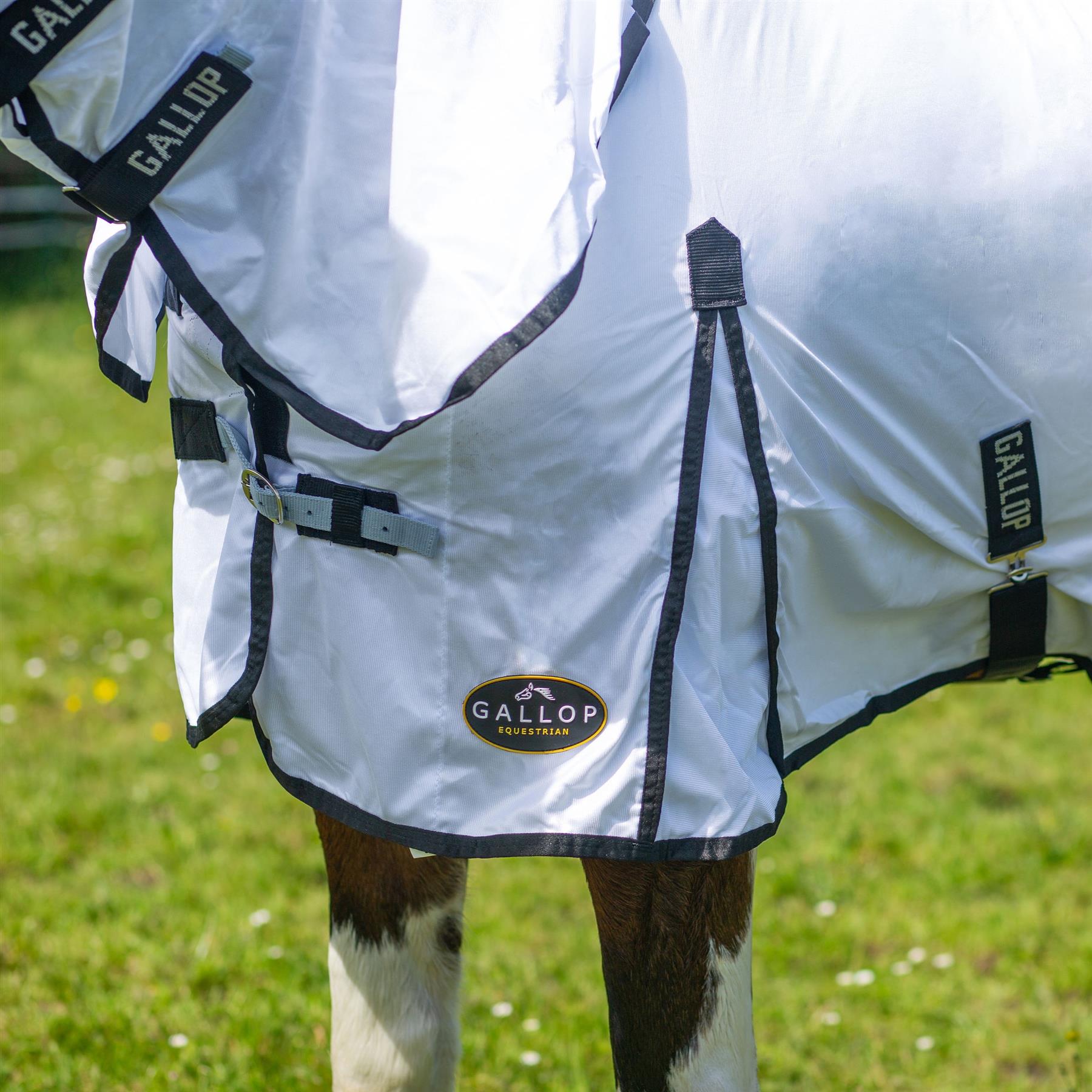
- Using equine-approved insect repellents.
- Employing natural mosquito predators, such as certain types of fish, in ponds.
Environmental management, such as removing brush piles and cleaning gutters, further minimizes breeding grounds.
The Role of the Equine Disease Communication Center (EDCC)
The EDCC plays a pivotal role in monitoring and communicating equine infectious diseases like WNV. By providing timely alerts and guidance, the EDCC aids veterinarians, horse owners, and other stakeholders in implementing effective preventive and control measures. Their work ensures that the industry is well-informed and prepared to tackle outbreaks.
The Path Forward
The recent surge in WNV cases among Ontario horses is a call for vigilance. An integrated approach combining vaccination adherence and effective mosquito control can significantly mitigate the risks associated with WNV. While no treatment can cure WNV, supportive care enhances chances of recovery, making prevention the optimal strategy to protect equine health.
In summary, combatting WNV in horses requires a multifaceted effort that includes vaccination, mosquito management, and continuous monitoring through agencies like the EDCC. Together, these actions can safeguard our equine companions from the capricious bite of a mosquito—and ensure they remain healthy, lively members of rural life.
For more detailed information on West Nile Virus, equine vaccinations, and prevention strategies, you might visit resources like the Equine Disease Communication Center or trusted veterinary sites.