Recognizing and Managing Equine Osteoarthritis: A Comprehensive Guide
Osteoarthritis (OA) in horses is a common, progressive condition that affects their joints and overall mobility. Understanding the early signs, progression, and management options is crucial to maintaining the health and performance of affected horses. Let’s break down this condition step by step, making it easy for horse owners to grasp and address effectively.
Spotting the Early Signs of Discomfort
Osteoarthritis doesn't begin with blatant head nodding or heroic limping; instead, horses exhibit more subtle hints when they're in the early throes of this joint disease. You might notice reluctance to move forward, a stiffer start, or a noticeable change in attitude during work sessions. According to Dr. Howland M. Mansfield, an expert from American Regent Animal Health with a Doctor of Veterinary Medicine degree from Tuskegee University, vigilance is key. Spotting these early indicators allows for timely interventions that can manage discomfort and potentially slow the disease's progression.
Understanding the Progression
As OA advances, its relentless nature becomes more evident. Persistent inflammation causes significant cartilage damage, resulting in chronic pain and a decline in mobility. Think of it as your horse becoming the equine equivalent of an old man with creaky knees, muttering about the weather. They might exhibit worsening stiffness, a general reluctance to move, and struggle with daily activities such as turning or even grazing.
Differentiate OA from Other Conditions
It's important to distinguish OA from conditions like nutritional osteoporosis or the intriguing yet unfortunate silicate-associated osteoporosis (SAO). The latter, an emerging condition particularly noted in California, shares some symptoms with OA, such as lameness and skeletal deformities. However, SAO is due to inhaled silicate particles, and its prognosis is not rosy — unless you count the joy of keeping dust at bay as an achievement.
Management and Preventive Strategies
Early detection coupled with proper management strategies can significantly enhance a horse's quality of life. Here are a few game-changing approaches:
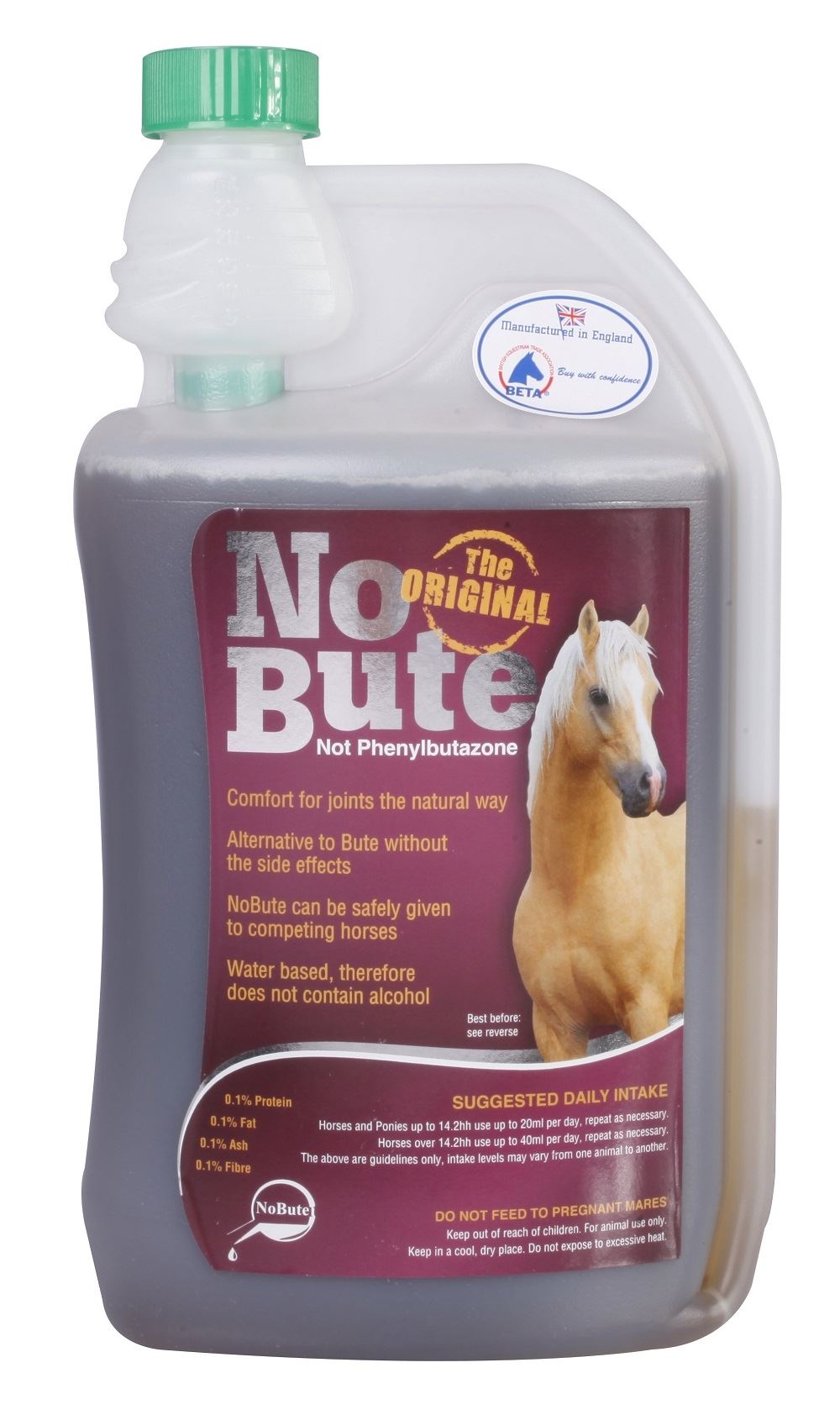
- Identify early signs and provide rest, anti-inflammatories, and dietary supplements to support joint health. Fancy sounding, but they’re akin to horse multivitamins!
- Address related bone issues with a balanced diet rich in calcium and phosphorus, especially to combat nutritional osteoporosis. Think of it as their daily vegetable serving — very important!
- Control environmental factors by reducing dust exposure. No horse should live in a sandstorm, after all.
Even with these strategies, regular check-ups are paramount. Using veterinary diagnostics, such as radiography, helps differentiate between various bone conditions that could be masquerading as OA, ensuring that each condition receives tailored treatment.
The Role of Nutrition and Alternative Therapies
A healthy diet is not just a human obsession. For horses, maintaining bone density and joint health requires a carefully balanced nutrient intake. Surprising perhaps, but horses aren’t immune to the “what’s for dinner?” dilemma.
Alongside dietary adjustments, exploring alternative therapies such as acupuncture can offer relief. While sticking needles into a horse might sound like the beginning of a comical chase scene, it’s actually quite effective for pain management when done by skilled professionals.
The Importance of Professional Guidance
Managing OA in horses is a team effort. Horse owners should collaborate closely with veterinarians to develop comprehensive care plans that may include both traditional and alternative treatments. Dr. Mansfield and other experts can provide the necessary expertise, ensuring that interventions are not only timely but also safe and effective.
In summation, dealing with equine osteoarthritis involves awareness, early detection, and multi-faceted management. With the right strategies, your noble steed can maintain its quality of life and continue to perform optimally, perhaps even exclaiming a neigh of gratitude.
For more detailed research and insights on equine osteoarthritis, you can visit The Horse, a resource committed to comprehensive equine health topics.
References:
The Horse's website and further resources from related scholarly articles on osteoarthritis and analogous bone conditions.