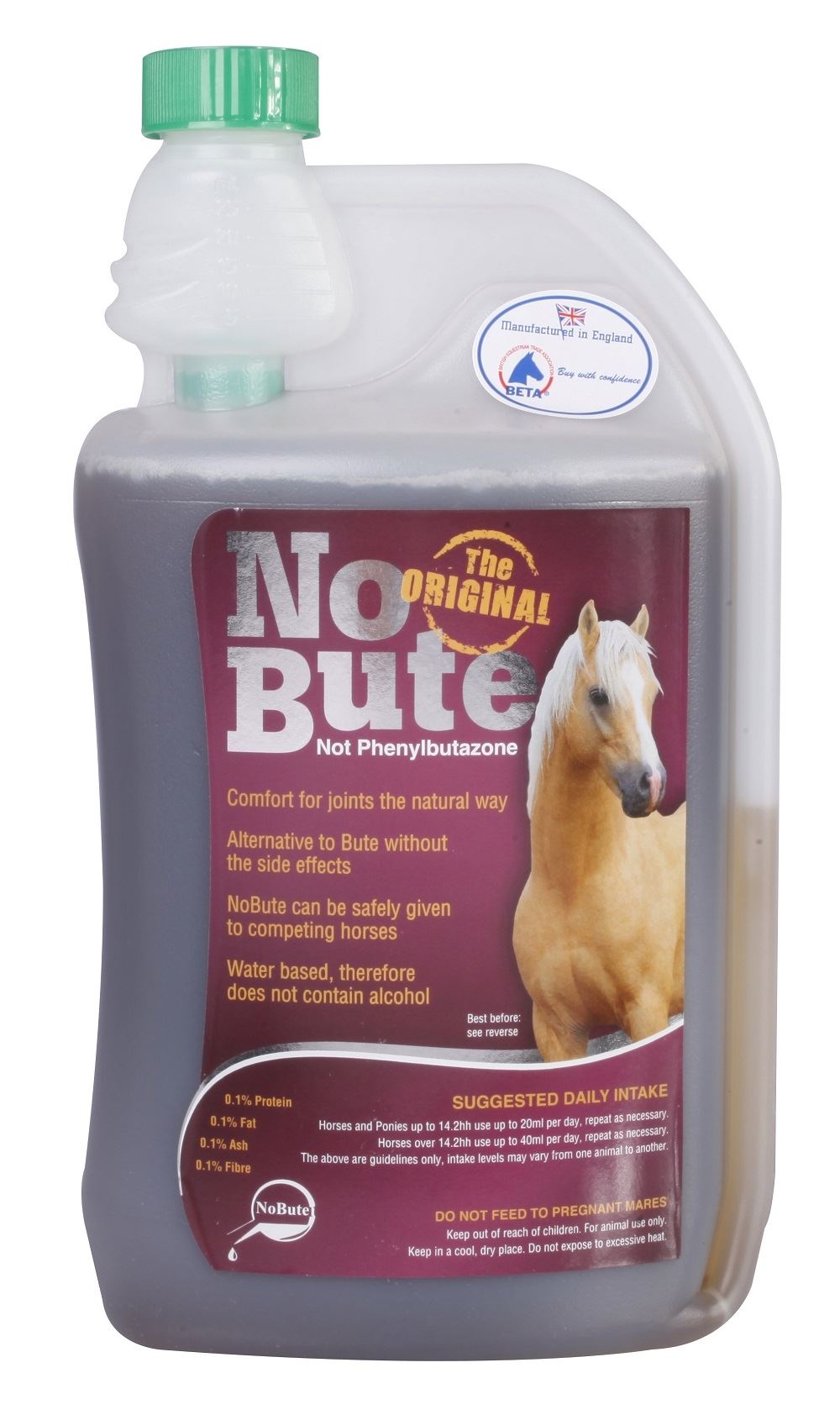
Pregnancy in horses, like in any other species, requires a delicate balance between maintaining the health of the mare and ensuring the safety of her unborn foal. As curious as it sounds, despite the significance of this subject, extensive research into safe medication use during equine pregnancies remains somewhat underdeveloped. This article delves into the complexities faced by horse owners and veterinarians when treating pregnant broodmares, emphasizing the importance of informed decision-making.
Common Health Issues in Pregnant Mares
It's surprising to note that **34%** of equine pregnancies involve some form of veterinary intervention. You might think that pregnant mares enjoy a peaceful and uneventful gestation period, yet they frequently encounter issues like musculoskeletal injuries (a staggering **22.7%**), placentitis (**4.9%**), colic (**4.4%**), and even eye conditions like conjunctivitis (**2.5%**). Each of these conditions requires careful management, as most medications can indeed cross the equine placenta, potentially placing the foal at risk.
The Role of Antibiotics and Anti-Inflammatories
When it comes to antibiotics, **Penicillin G** and **gentamicin** are the chosen ones. Used widely in pony mares, these medications cross the placenta but are reported to have no adverse effects. Here's a fun twist: non-steroidal anti-inflammatory drugs (NSAIDs) like **firocoxib** are deemed safe, unlike preliminary data which showed no traces of **flunixin meglumine (Banamine)** in fetal tissues. However, this doesn't mean we should slack off—careful consideration is always needed.
Tackling Parasites: The Dewormer Debate
Did you know most dewormers are safe throughout pregnancy in mares? However, there's a notable exception: the first **60 days** of gestation. An experiment involving **ivermectin-praziquantel** paste, administered at three times the normal dose until foaling resulted in healthy foals, with only minor blood changes noticed. In simpler terms, these mares were like ironclad fortresses—pregnancy, lactation, maternal instincts, and foal viability were unaffected. For those concerned, the FDA has stamped its approval on **QUEST PLUS Gel (moxidectin + praziquantel)** for pregnant mares. As a side note, clinics recommend undertaking specific deworming routines to prevent the transmission of parasites from mare to foal.
Importance of Vaccinations
Vaccinations are a mare's best friends. Products like **Zoetis Pneumabort-K®+1B** are administered at 5, 7, and 9 months to ward off equine herpesvirus type 1, which poses abortion risks and the birth of weak foals. As a precaution, a cocktail of vaccines, including those for Eastern and Western Equine Encephalitis, Tetanus, West Nile, and Rabies, should be given **30 days pre-foaling**. This enhances colostral antibodies, as foals lack transplacental immunity. Note: the **Lepto EQ Innovator** vaccine has been cleared for use at all pregnancy stages, making it the ultimate safeguard.
Best Practices and Ethical Considerations
Okay, let's roll up our sleeves and talk common sense. A low-stress environment, routine care, top-notch nutrition, and regular veterinary checkups are vital, particularly during the first **40 days** when embryonic loss risk peaks. It seems straightforward, but things can get quite complex, especially when little data exists for many drugs concerning pharmacokinetics and placental transfer. Thus, it's imperative for horse owners and veterinarians to make **evidence-based** choices, balancing the crucial aspect of ethics with the valuable outcomes sought in high-stakes breeding.
In conclusion, while medication decisions in pregnant mares seem akin to walking a tightrope with shoes made of pudding, informed, rational steps based on current research can ensure the wellbeing of both the mare and her foal. It's about working closely with veterinarians to develop tailored plans and waiting keenly for more research—because every tick on the clock could bring groundbreaking discoveries.
Credited sources from the cited references:
- The Horse's archive on breeding and reproductive topics.
- https://pubmed.ncbi.nlm.nih.gov/14596457/