West Nile Virus Strikes Again: The Ohio Gelding Case
In the heart of Highland County, Ohio, a 5-year-old Standardbred cross gelding recently received an unwelcome diagnosis: West Nile Virus (WNV). This unvaccinated fellow displayed symptoms such as limb weakness and ataxia earlier this October, beginning a journey of supportive recovery care. This case rings alarm bells for horse owners and veterinarians about the persistent threat of this mosquito-borne disease.
Understanding West Nile Virus in Horses
The virus, predominantly spread through mosquito bites, can cause a spectrum of clinical symptoms in horses. While some remain asymptomatic, others, less fortunate, endure signs ranging from mild flu-like discomfort to severe neurological damage. Possible manifestations include muscle and muzzle twitching, hypersensitivity to stimuli, and an altered mental state. More alarming symptoms like facial paralysis, difficulty swallowing, and even paralysis in severe cases highlight the gravity of the disease.
The Path to Recovery: Supportive Care
While it's disheartening to note that there is no antiviral cure for WNV in horses, hope lies in supportive care. This approach focuses on relieving symptoms, managing inflammation, and closely monitoring neurological signs. Common supportive treatments include nonsteroidal anti-inflammatory drugs (NSAIDs), corticosteroids, and intravenous fluids. Despite these efforts, the prognosis remains varied; a daunting 30-40% of severely affected horses may not survive, and some survivors could face enduring neurological deficits.
Prevention: Vaccination and More
WNV prevention strategies hinge primarily on the effectiveness of vaccinations. Annual boosters are recommended, particularly before the onset of the mosquito season, with bi-annual doses advised in high-risk regions. Vaccination is a proven method to reduce the risk of developing severe WNV-related illnesses substantially. But there's more to keeping horses safe beyond just vaccinations.
Winning the Mosquito Battle
Beyond needles and shots, mosquito control emerges as a crucial component of WNV prevention. Here are a few strategies:
- Eliminating stagnant water sources to deter mosquito breeding.
- Keeping horses indoors during peak mosquito activity times at dawn and dusk.
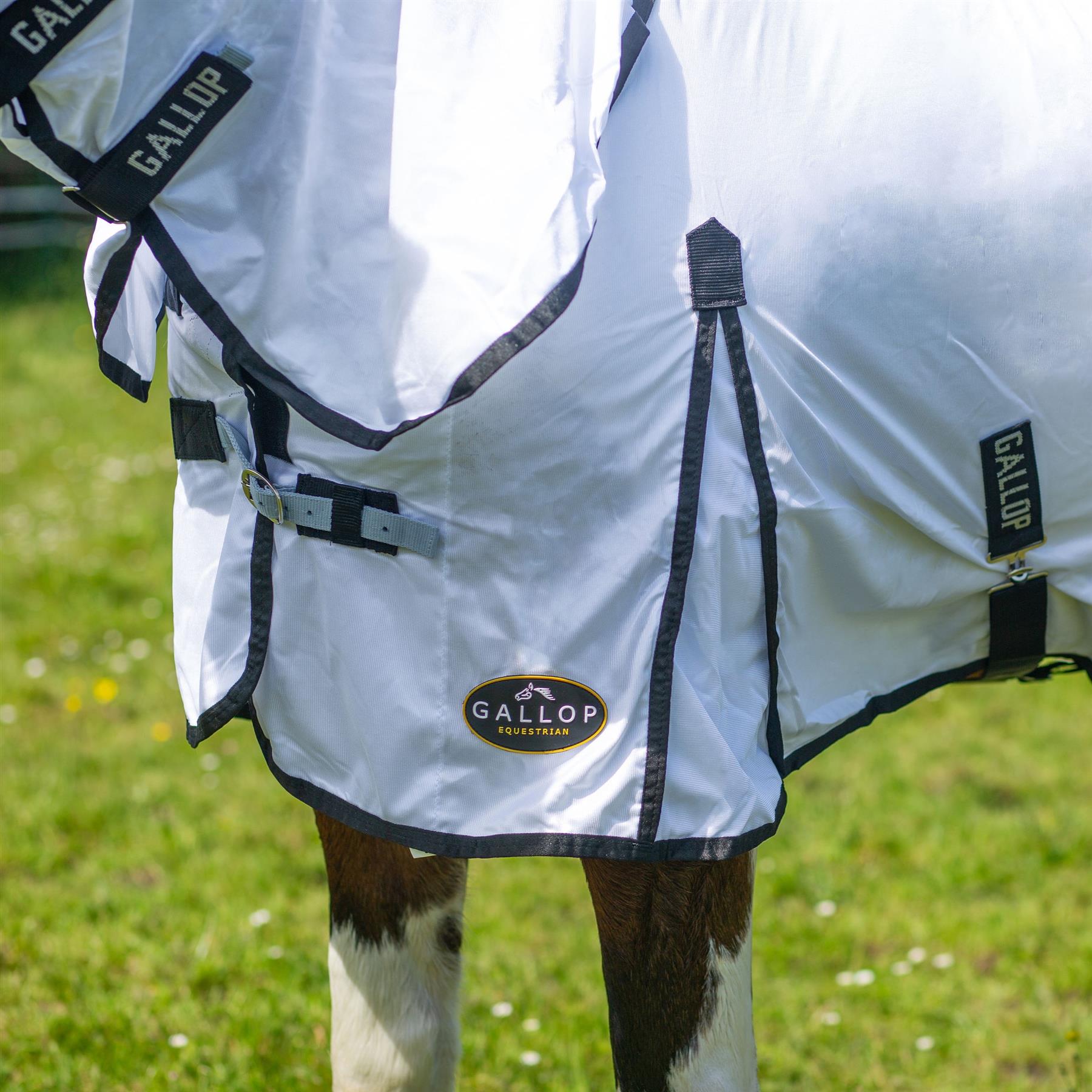
- Employing insect repellents, screens in barns, and using fans to keep mosquitoes at bay.
Combining strategic environmental management with a robust vaccination protocol strengthens the defense against WNV.
EDCC: The Guardian Angel of Equine Health
The Equine Disease Communication Center (EDCC) is a vital ally for equine health enthusiasts, providing timely alerts on WNV cases and facilitating early intervention. The EDCC's efforts empower horse owners and veterinarians with the information needed to implement preventative strategies, keeping equine communities one step ahead in the fight against WNV.
A Wake-Up Call to the Equine World
The Ohio gelding's case serves as a poignant reminder of the ever-present threat WNV poses, especially during mosquito seasons in endemic areas. The takeaway? Proactive vaccination and stringent mosquito control are instrumental in safeguarding equine health against the relentless push of West Nile Virus.
In summary, navigating the perils of WNV requires being informed and prepared. A layered defense strategy encompassing vaccinations, mosquito management, and leveraging resources like the EDCC can make all the difference for our equine companions.