A Glimpse into Ontario's West Nile Virus Outbreak in Horses
The year 2025 has placed Ontario's equine community in the spotlight with a spike in West Nile Virus (WNV) cases among horses. Overwhelming the province with eight confirmed infections, this surge highlights gaps in preventive measures like vaccination and mosquito control. Failure to vaccinate increases WNV susceptibility—a vital takeaway from the latest case of an infected unvaccinated 3-year-old mare. It's a firm reminder that the responsibility for health doesn't rest with the horse.Understanding West Nile Virus and Its Impact
WNV, a mosquito-borne virus, infamously targets birds but can infect horses, humans, and other mammals. It's worth noting, however, that horses are not contagious to each other or humans, as the virus spreads exclusively via mosquito bites. Many horses might be asymptomatic, but those affected could suffer from fever, muscle twitching, hyperesthesia, ataxia, and even recumbency. The condition takes a grim turn with a mortality rate of 30-40% and no definitive cure. Prevention stands prominently with vaccination.2025 Outbreak and Vaccine Gaps Exposed
The 3-year-old Quarter Horse filly's diagnosis embodies a recurrent theme: the inadequate coverage of vaccination among affected horses. This negligence extends to various equestrian settings within the region, witnessing other horses experience severe ataxia, hyperesthesia, and unfortunately, cases leading to euthanasia. With an absolute need for a two-dose primary series followed by annual boosters and possibly more in mosquito-prone areas, the lapses in vaccination form a potent risk factor.Environmental Management and the Mosquito Menace
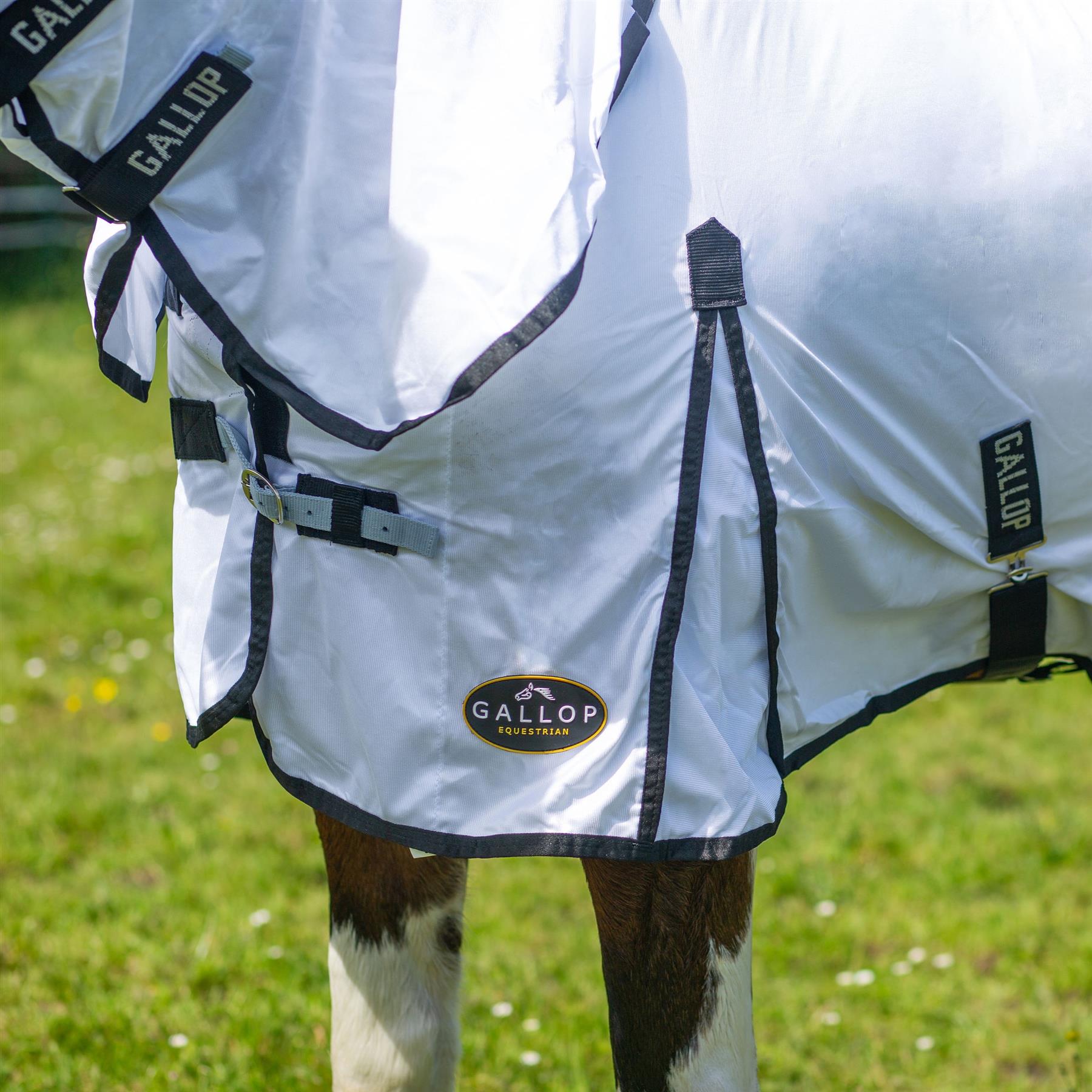
Dismissal of vaccination isn't the only gap here. Addressing the situation demands proactive steps towards reducing mosquito breeding grounds. Suggestions include eliminating stagnant water, ensuring clean water sources, and keeping horses indoors during dusk and dawn when mosquitoes are most active. Equine-safe insect repellents can significantly add to the protective measures. It's not just about mosquitoes; the "One Health" approach emphasizes the intricate connection between animal, environmental, and human health, urging a collaborative commitment to surveillance initiatives.The Surveillance Game: Role of EDCC and More
Playing a crucial role in collecting, verifying, and disseminating equine disease information, the Equine Disease Communication Center (EDCC) stands at the frontline, allowing swift responses to emerging threats. Their efforts extend to both national and international fronts, reassuring veterinarians, horse owners, and public health authorities of support during outbreaks. Ontario benefits from EDCC's alerts, with the provincial government encouraging transparency and readily available data on confirmed and exposed cases.Global Context of West Nile Virus
While we narrow down on Ontario, the global stage is no stranger to WNV. Climate change contributes to expanding mosquito habitats, thus increasing vector-borne disease risks everywhere. In Canada, mindful of these changes, mosquito pool testing spans its efforts across provinces like Manitoba and Ontario, though broader surveillance remains crucial in understanding and managing risks worldwide.Strategic Actions for Safeguarding Horses
As West Nile Virus looms large over Ontario's equestrian landscapes, equine stakeholders are encouraged to integrate some vital strategies into their management practices:- Ensure timely vaccination: Committing to a regular vaccination schedule, heightening herd immunity.
- Instill mosquito control measures: Practice eliminating breeding grounds and employing repellents.
- Stay informed: Rely on resources like EDCC for impending threats and timely alerts.
- Join surveillance programs: Engage with data-based processes to comprehend disease trends better.