West Nile Virus: A Threat to Equine Populations in Wisconsin
West Nile Virus (WNV) has been making headlines, particularly in Wisconsin, due to its significant impact on equine populations. This piece delves into the pressing need for vaccination and preventive strategies to safeguard our equine companions.
Understanding West Nile Virus: Transmission and Symptoms
The transmission of WNV primarily occurs through mosquito bites, making horses particularly vulnerable. While some infected horses remain asymptomatic, others present symptoms like ataxia, fever, and hyperesthesia. In severe cases, horses might experience neurological disturbances, resulting in mortality rates as high as 30-40%. Such alarming figures demand serious attention towards preventive measures and vaccination.
Prevention and Management Strategies for WNV
The old adage, "prevention is better than cure," couldn't be more relevant when addressing WNV. Let's explore some effective strategies:
Vaccination: A Proactive Defense
Vaccination remains the cornerstone of WNV prevention. It's a proactive approach, and while it doesn't treat the virus, it prevents its development. Horses are advised to receive annual boosters to sustain immunity. If a horse is unvaccinated, a two-booster series is recommended to ensure comprehensive protection.
Mosquito Control: Minimize the Threat
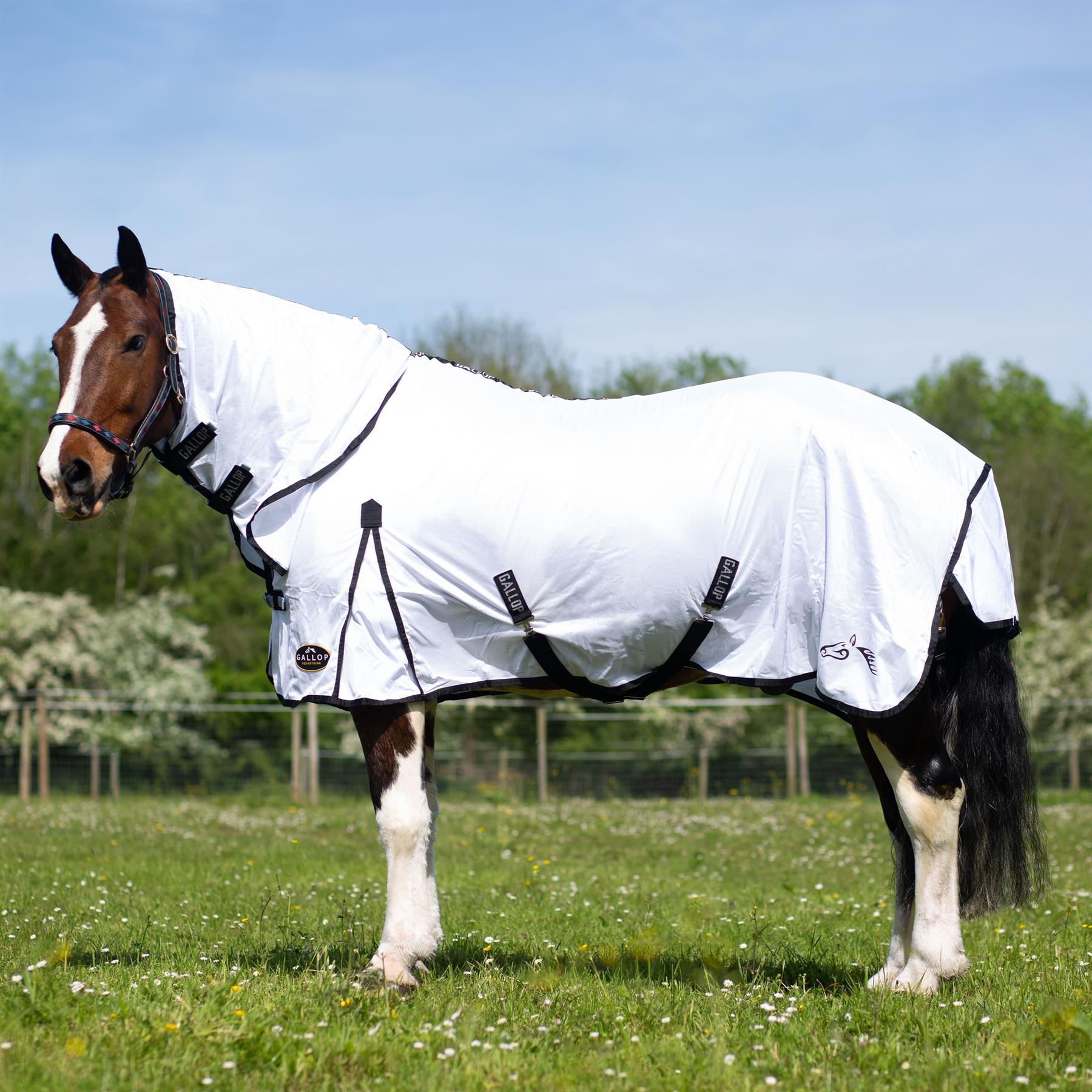
Mosquito control is another vital strategy in the fight against WNV. Eliminating standing water around stables can significantly reduce mosquito breeding grounds. Additionally, using mosquito repellents can further minimize the risk of bites and subsequent virus transmission.
The Equine Disease Communication Center (EDCC): Keeping Equine Owners Informed
Enter the unsung hero of equine health: the Equine Disease Communication Center (EDCC). By offering timely updates and alerts about infectious diseases, including WNV, the EDCC is an invaluable resource. They help horse owners and equine professionals stay well-informed about potential outbreaks, enabling them to take proactive measures.
WNV in Wisconsin: A Rising Concern
In Wisconsin, both human and equine populations face increasing threats from WNV. According to recent statistics, the state has reported dozens of human cases and multiple cases in horses annually. The death of the unvaccinated Standardbred gelding in Clark County serves as a stark reminder of the lethal potential of WNV.
Conclusion: An Ounce of Prevention is Worth a Pound of Cure
While WNV presents a considerable threat to equine populations, preventive strategies offer a beacon of hope. Equine owners are urged to adopt a two-pronged approach: vaccination and rigorous mosquito control. Such measures not only protect individual horses but help ensure the safety of equine communities across the board.
For those looking to stay ahead of the curve, here are our recommendations:
1. Regular Vaccination: Ensure your horses are updated with WNV vaccinations. Annual boosters are vital. 2. Control Mosquito Populations: Regularly inspect barns and stables, eliminating water sources and using repellents to minimize mosquito bites. 3. Stay Updated: Keep a tab on updates from the EDCC and local health departments to remain aware of any WNV developments in your vicinity.By diligently adopting these practices, equine owners can play a pivotal role in reducing the risk of WNV and maintaining a healthy equine environment.
For further information, equine enthusiasts can refer to the resources shared by the Wisconsin Department of Health Services: Wisconsin WNV Data.