Understanding West Nile Virus and Its Impact on Horses
Recently, three horses in Pennsylvania fell victim to the West Nile Virus (WNV), a mosquito-borne illness with serious implications for equine health. This outbreak highlights the significance of preventive measures and community vigilance in safeguarding these majestic creatures.
What is West Nile Virus?
West Nile Virus is primarily a disease that affects the nervous system in horses and is transmitted through mosquito bites. Interestingly, mosquitoes become infected after feeding on WNV-positive birds, turning the insects into vectors for transmission. The disease can cause a spectrum of symptoms, from mild muscle twitching and hypersensitivity to severe neurological disorders like ataxia, changes in mental status, and even facial paralysis. While not all horses show signs, the mortality rate can be as high as 30-40% in those displaying symptoms.
Preventative Measures Against WNV
Given the absence of a cure, prevention becomes paramount. Vaccination is the most effective strategy in preventing WNV, with annual booster shots recommended for previously vaccinated horses. For those receiving it for the first time, an initial two-dose series is necessary. But vaccinations alone are not enough.
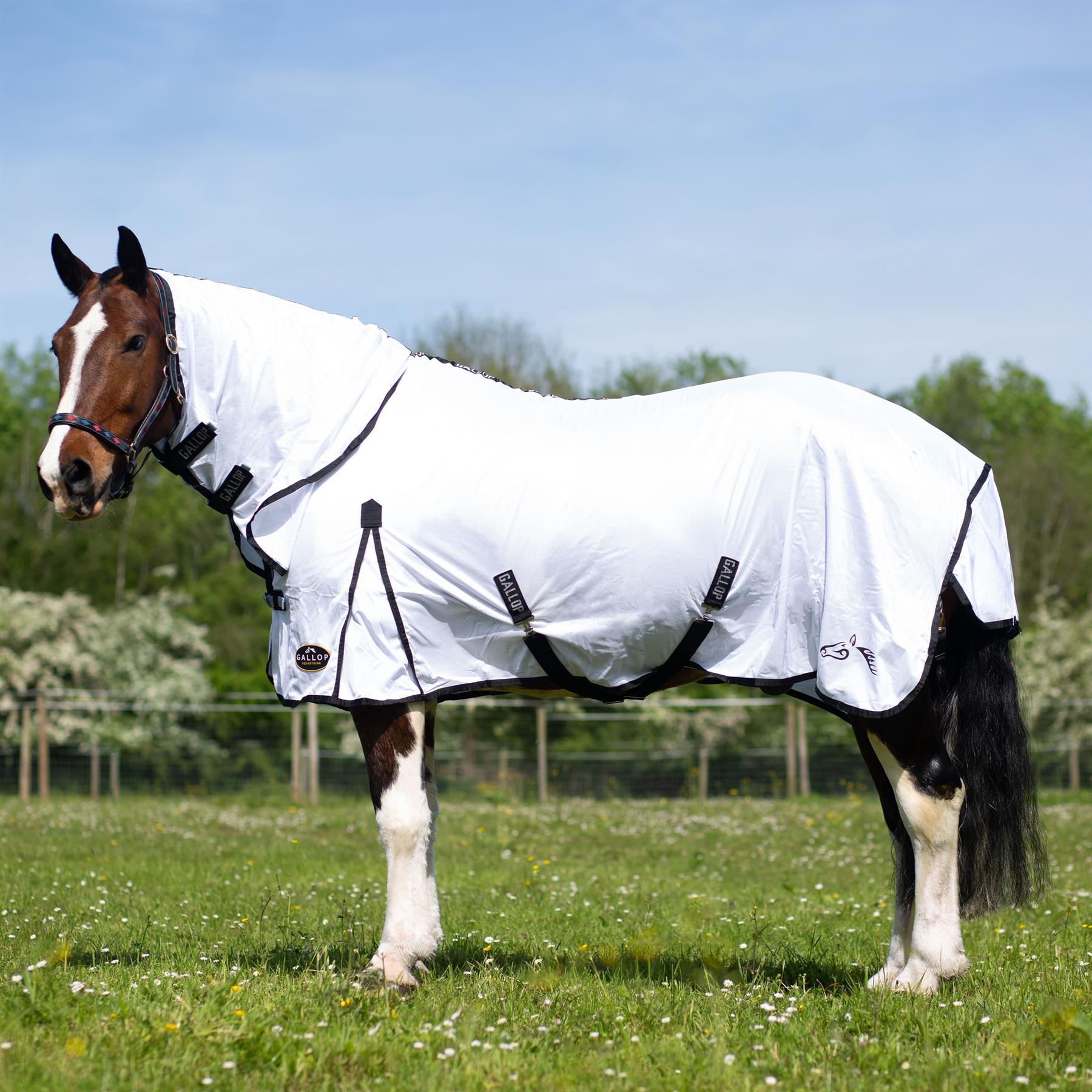
Efforts must also focus on controlling mosquito populations by eliminating breeding sites. Standing water is a breeding ground, so managing water sources is vital. Utilizing insect repellents further curbs the risk, creating a shield around the horses from these pesky carriers.
The Role of the Equine Disease Communication Center
The Equine Disease Communication Center (EDCC) has been instrumental in disseminating information regarding equine diseases. As a nonprofit supported by the equine industry, the EDCC helps horse owners and veterinarians remain informed and proactive. The center keeps the community updated with timely information, emphasizing integrated control efforts supported by state agencies. These agencies routinely monitor mosquito populations and West Nile Virus activity.
Environmental and Seasonal Factors
Typically, the risk for WNV infection peaks in late summer and fall. This period coincides with heightened mosquito activity, signaling the need for horse owners to be extra cautious. Mosquito control requires vigilance—eliminate unnecessary water build-ups and communicate with local authorities on any emerging threats or presence of virus carriers.
Regional Concerns and Broader Implications
The recent cases in Cumberland and Luzerne counties reflect a broader trend: West Nile Virus is active in multiple counties across the United States. This continuous threat sheds light on the need for comprehensive monitoring both within Pennsylvania and throughout the country. By understanding regional disparities, horse owners and authorities can implement tailored preemptive measures to counter outbreaks.
An Integrated Approach to West Nile Virus Prevention
The emergence of WNV amidst horse populations necessitates a comprehensive strategy involving vaccination, monitoring, and mosquito control. Collaboration among veterinarians, horse owners, and state agencies can sustain the health of horses against mosquito-borne threats.
In conclusion, while the presence of three West Nile Virus cases in Pennsylvania underscores the ongoing challenge posed by mosquito-borne diseases, it also highlights a well-established path to prevention through vaccination and environmental management. This proactive approach ensures these noble animals remain healthy and able, elegantly sauntering through the beautiful Pennsylvanian pastures, immune to what those pesky mosquitoes might carry their way.
Source: The Horse - 3 Pennsylvania Horses Positive for WNV