West Nile Virus in Horses: Risks and Prevention Strategies
A recent incident in Grant County, Wisconsin has shed light on the significance of West Nile Virus (WNV) as a persistent threat to equine health. A 3-year-old Quarter Horse stallion, regrettably unvaccinated, was confirmed to have contracted the virus as of September 4, 2025. Displaying tell-tale signs like ataxia, fever, and hind-limb weakness, the horse's condition underscores the serious implications WNV poses to horses. Albeit still alive, the stallion's battle with WNV is a reminder of the virus's lethality—with mortality rates for infected horses hovering between 30-40%.
Understanding West Nile Virus and Its Impact
WNV is a mosquito-borne virus notorious for affecting the central nervous system in horses. It triggers a range of clinical symptoms such as muscle twitching, altered behavior, coordination difficulties, and in extreme cases, paralysis. The absence of specific antiviral treatment for WNV makes early detection and supportive care critical. Therapeutic strategies mainly revolve around anti-inflammatory and pain-relief medications to manage symptoms. Yet, recovery outcomes vary widely, with some horses recovering fully and others suffering irreversible neurological damage or death.
Why Vaccination is Essential
As the old adage goes, "prevention is better than cure." This rings especially true for WNV. Vaccination stands out as the most effective preventive measure, establishing its place as a core vaccine for horses in North America. Owners are urged to adhere to a vaccination schedule—typically an initial series followed by annual boosters. In certain locales with extended mosquito seasons, biannual boosters are advisable to ensure continuous immunity.
Mosquito Control: A Key Element in Prevention
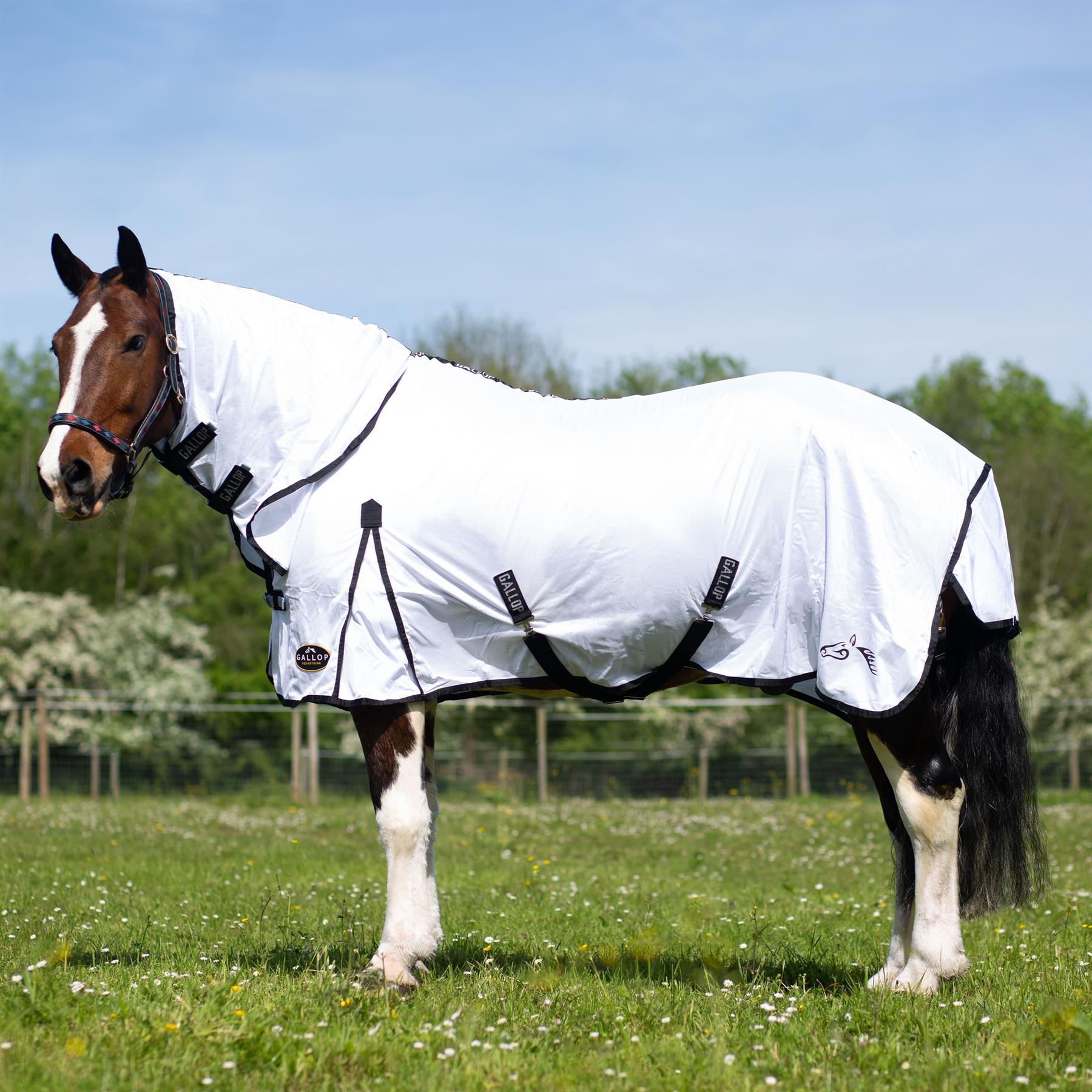
The battle against WNV extends beyond vaccination. Mosquito management practices are indispensable in reducing horses' exposure to the virus. Practical steps include eliminating stagnant water sources on properties to interrupt mosquito breeding cycles. Additionally, applying insect repellents, installing fans, and stabling horses during peak mosquito activity (dawn and dusk) can significantly lower risks. Implementing these measures can provide an additional layer of protection, enhancing the effectiveness of vaccination strategies.
Recognizing Clinical Signs
Timely identification of WNV symptoms is crucial for effective management. Owners and caretakers should remain vigilant for signs like flu-like symptoms, muscle twitching, hypersensitivity, altered mental states, drowsiness, and unsteady walking. Relentless monitoring and immediate veterinary consultations when symptoms arise can pave the way for prompt interventions, improving recovery odds.
The Importance of Awareness and Education
The Wisconsin stallion's predicament serves as a clarion call for equine communities. Raising awareness about WNV's threat and educating owners on preventive measures are pivotal. Participation in educational programs can enhance horse owners' capabilities to safeguard their equine companions against WNV's perils.
Exploring Further Research Areas
To bolster our defense against WNV, further research into topics like improved vaccination efficacy, mosquito vector control innovations, and clinical management of neurological symptoms is warranted. Moreover, examining case studies on past WNV outbreaks could yield insights into effective containment strategies.
In conclusion, proactive prevention remains the linchpin in combating West Nile Virus in horses. By prioritizing vaccination, adopting comprehensive mosquito control measures, and staying vigilant for early signs, we can better protect our equine friends from this formidable viral adversary.
For additional reading and resources on managing WNV in horses, consider visiting University of Minnesota Extension.
Source: The Horse