Understanding the Surge of Mosquito-Borne Diseases in Georgia Horses
Horse owners in Georgia are facing concerning news as recent reports have confirmed new cases of West Nile Virus (WNV) and Eastern Equine Encephalitis (EEE) in horses across Sumter and Effingham counties. Both viruses are transmitted by mosquitoes and pose significant health threats to equine populations. According to recent sources, these cases represent the second confirmed WNV and fourth confirmed EEE case for the year 2025 in Georgia.
Eastern Equine Encephalitis: A High-Mortality Threat
Eastern Equine Encephalitis is notorious for its high mortality rate, which is estimated between 70-90% in equines. Transmitted from mosquitoes that have previously bitten infected wild birds, EEE does not allow direct transmission from horses to humans or other animals. However, this does not reduce its potential threat. The severity of EEE underscores the importance of vaccination and mosquito control, which includes interventions like removing standing water and ensuring that horses are sheltered during peak mosquito activity at dawn and dusk.
West Nile Virus: A Persistent Danger
West Nile Virus, another mosquito-borne disease, presents symptoms ranging from mild anorexia and lethargy to severe neurological issues in horses. The mortality rate for WNV is arguably lower than EEE, hovering around 30-40%, yet it poses a serious threat to equine health due to its unpredictable nature. As there are presently no cures for WNV, preventive vaccinations emerge as the best defense.
Prevention: The Key to Combatting EEE and WNV
Vaccination: The First Line of Defense
With both EEE and WNV presenting life-threatening complications, the emphasis on vaccinations cannot be overstated. Vaccinations are repeatedly endorsed as the most effective way to protect horses against these diseases. Not only do they reduce the likelihood of infection, but also ease symptoms if diseases do occur.
Mosquito Control Techniques
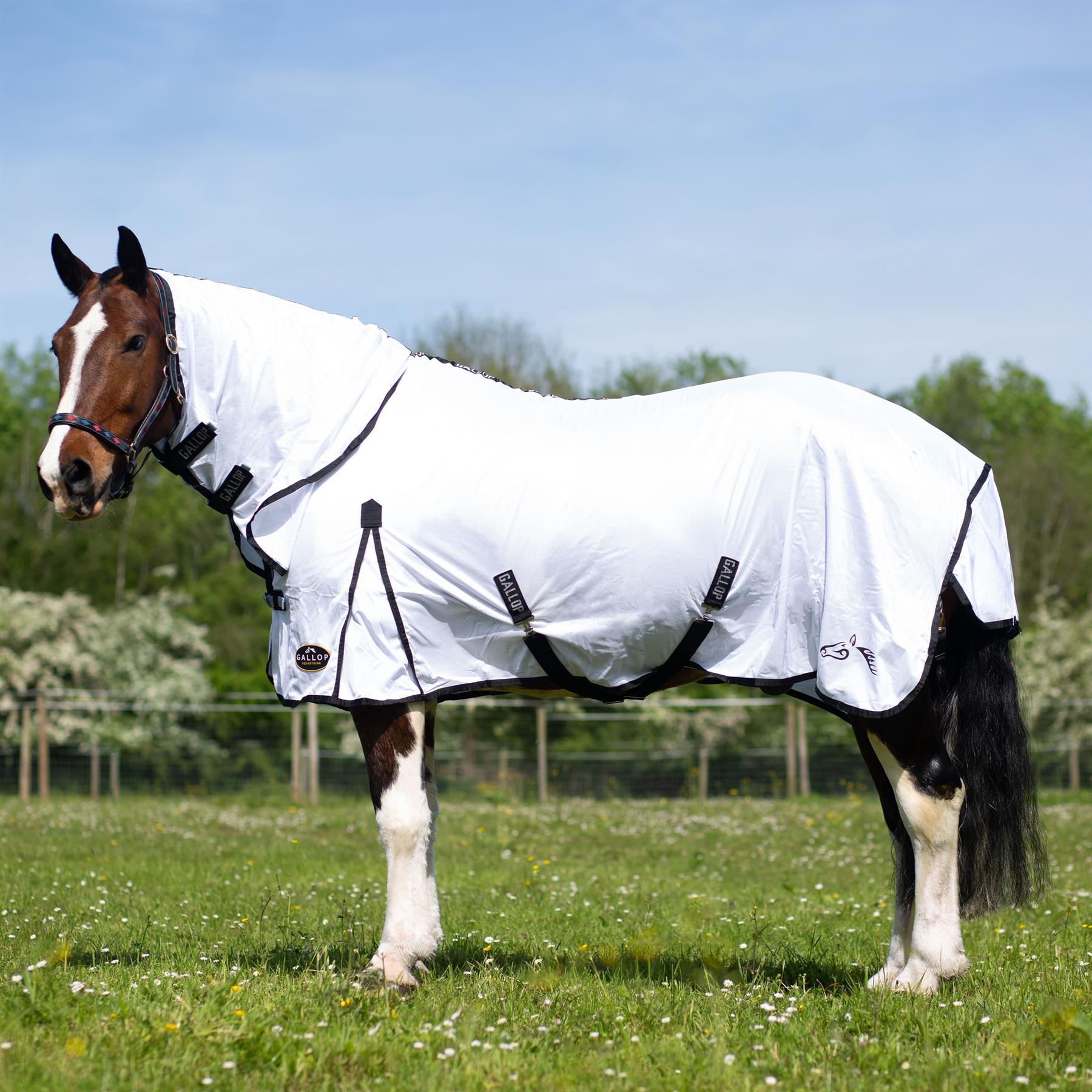
Effective mosquito control is pivotal in reducing the risk of these vector-borne diseases. Key strategies include eliminating standing water, which serves as breeding grounds for mosquitoes, employing physical barriers like screens, and utilizing repellents. Horse stabling during peak mosquito hours further reduces exposure, safeguarding the animals against potentially infectious bites.
The Role of the Equine Disease Communication Center (EDCC)
Beyond preventive measures, keeping informed through reliable sources is essential. The Equine Disease Communication Center (EDCC) plays a critical role in this aspect by tracking and verifying disease outbreaks across equine communities. By providing timely health alerts, the EDCC equips horse owners and veterinarians with the information needed to manage risks effectively.
Continuous Vigilance: A Community Effort
While vaccinations and mosquito controls are significant, community awareness and quick dissemination of information solidify the defense against WNV and EEE. Emphasizing proactive strategies and maintaining up-to-date knowledge allows for swift action when cases are detected, averting potential pandemics within the horse population.
Further Research Topics
- Comprehensive Mosquito Management: Exploring innovative mosquito control methods and their implementation.
- Vaccination Efficacy: Delving into how vaccination strategies vary geographically and their success rates.
- Role of Surveillance Systems: Understanding how organizations like EDCC impact disease tracking and control measures.
- Public Health Implications: Investigating the broader impacts of equine diseases on public health frameworks.
In conclusion, the resurgence of WNV and EEE cases in Georgia highlights the urgent necessity for preventive measures and accurate health communication. By fostering vigilance and encouraging horse owners to stay informed and proactive, we can collectively safeguard the equine community from the adverse effects of these potent viruses. For more detailed insights into this issue, visit GFB News.